
As an Amazon Associate we earn from qualifying purchases. This article contains affiliate links; we may earn a small commission at no extra cost to you.
Heat lamp safety chicken coop is a critical topic for anyone keeping backyard hens in cold climates. Fire risk, hardware choices, costs, and safe alternatives are easy to get wrong—but essential for protecting your flock and your home.
Key Takeaways
- Heat lamps in chicken coops are one of the leading causes of backyard coop fires, often due to clamp failure or improper placement near bedding.
- The safest heat setup uses a UL-listed fixture, correct wattage (typically 250 W for chicks, 150 W for adults), plug-in thermostats, outdoor cords, and at least 24 inches of clearance from combustible materials.
- Alternatives like radiant heater plates provide gentle warmth for less wattage and lower fire risk, offering better long-term value and peace of mind for small-scale chicken keepers.
- Why Heat Lamp Safety Is a Top Concern for Chicken Coops
- What Safe Heat Lamp Setups Look Like: Specs Buyers Actually Want
- The Hidden Dangers: How and Why Heat Lamps Fail in Coops
- Do the Math: Matching Heat Output to Your Coop (and Controlling Costs)
- Heat Lamp Alternatives: What Really Works (and What It Costs)
- Hard Facts on Coop Fire Incidents and Regulatory Gaps
- Conclusion: Key Steps for Reliable, Fire-Safe Chicken Coop Heating
- Frequently Asked Questions
Why Heat Lamp Safety Is a Top Concern for Chicken Coops
The risk of fire from heat lamps in backyard chicken coops is real, underreported, and often misunderstood by first-time owners. It only takes one slip-up—a lamp falling into bedding, a frayed extension cord, or a cheap fixture melting—to lose your birds, coop, and even more. Coop fire prevention is not just about choosing the right product. It means understanding how hot these bulbs get (over 400°F on the surface), how easily straw and wood ignite, and how unexpected clamp or cage failures happen far too often.
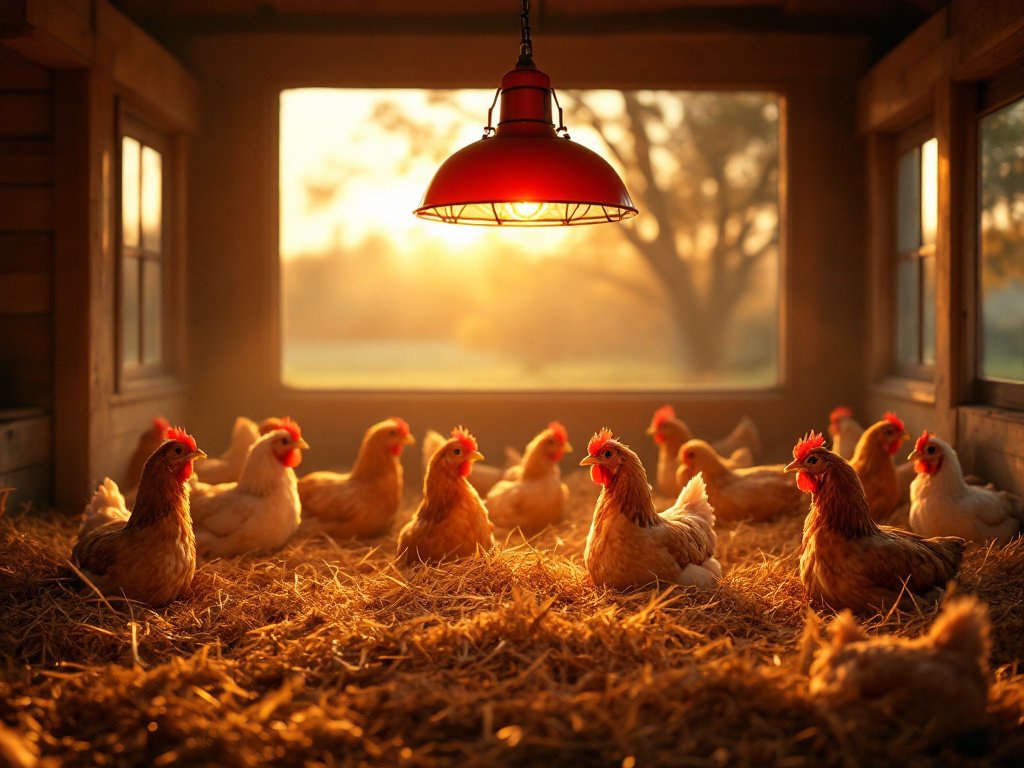
There are many examples of heat lamp-caused coop fires every winter. For instance, reports from Maine in 2016 explicitly linked at least two chicken coop blazes to fallen or malfunctioning heat lamps. The fast ignition time—a pile of straw can start smoldering in a minute or less when a hot bulb drops—leaves almost no margin for error. While there are ways to use heat properly, careless installation or under-built hardware remains a leading cause of coop tragedies.
If you want to keep chickens warm in winter, you must weigh heat lamp safety chicken coop concerns at the top of your planning list. See our full winter chicken care guide for other practical winterizing tactics.
What Safe Heat Lamp Setups Look Like: Specs Buyers Actually Want
DIYers and savvy chicken keepers demand clear product specs for safe coop heating. Here’s what a well-documented, proven-safe heat lamp setup includes:
- UL-listed fixture, not just the bulb (check for a label on the base).
- Guarded metal cage around the bulb, with a robust safety cage and non-slip clamp.
- High-amp rated clamp designed to support at least 250 W for brooding chicks, or a lower wattage suitable for adult chickens.
- Plug-in thermostat or a thermostat-controlled outlet (varies by model) with adjustable range (50–80°F is common).
- Outdoor-rated power cord, heavy gauge, secured away from beaks, rodents, and never run under boards or straw.
- Minimum 12–18 inch clearance between the bulb and any bedding, wood, or birds.
For most backyard set-ups, pricing splits by coop size:
- Small coop (up to 4 birds): $15–$25 for a heat lamp kit, or $30–$80 for a radiant heater plate
- Medium coop (4–8 birds): $25–$40 for a lamp, or $40–$80 for a larger heat plate
- Large flock (up to 15 birds): $40–$60 for dual lamps or largest radiant heaters
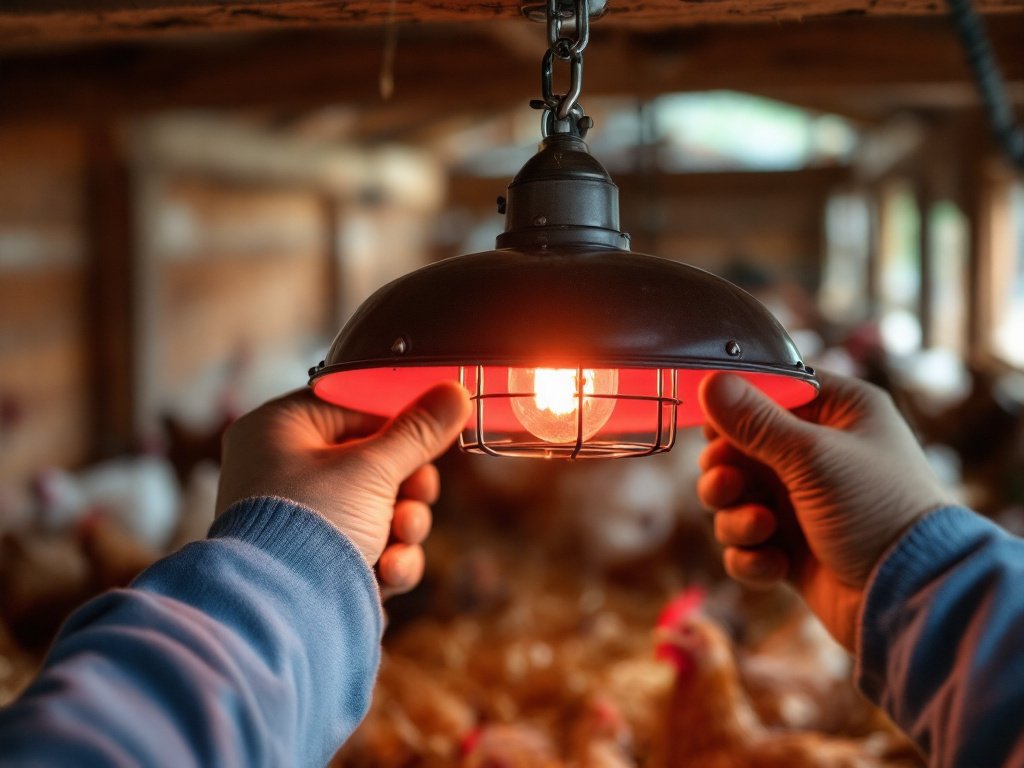
It’s crucial to choose equipment made for agricultural or livestock use. Cheap shop lamps and “grow lights” are not rated for unattended animal use and are a frequent source of failure. If you’re building a deep litter coop, see our best coop bedding guide for fire-conscious bedding picks.
Looking for more setup ideas? Visit our walkthrough on chick brooder setup for detailed brooding safety arrangements.
The Hidden Dangers: How and Why Heat Lamps Fail in Coops
Even a UL sticker can’t offset bad placement or poor maintenance. The following failure modes explain why brooder fire risk remains stubbornly high—even among careful chicken owners:
- Clamp or cage failure: Gravity always wins. Stock lamp clamps can twist loose due to vibration, dust, or bumped boards—dropping a 400°F bulb onto flammable bedding or wood.
- Bulb overheating: Heat lamp bulbs easily reach over 400°F. A dropped bulb or direct lamp-to-straw contact will set bedding smoldering almost instantly. (See this demonstration by Daniel Bell Jr..)
- Cord damage: Running extension cords under floorboards, across sharp edges, or where birds/rodents chew can create frays—eventually causing a spark, short, or heated arc right next to kindling-dry straw. (This is a top cause of unreported coop fires.)
- Water intrusion: Damp litter, high humidity, or spilled waterers can migrate up the cord to the lamp socket, causing short circuits and fire.
Many owners mistakenly assume the stock clamp is “secure enough” or that any high-watt bulb is suitable. In practice, using the wrong bulb, a bargain cord, or subpar installation has cost more than a few backyard keepers their entire flock. If you’re updating an older coop, check out our cold-weather coop guide and our coop ventilation tips for extra safety layers.
| Heat Risk Source | How It Fails | Fire Result | Prevention Step |
|---|---|---|---|
| Falling lamp or fixture clamp | Clamp loosens, rusts, or bends out of shape | Bulb lands in shavings/straw, instant ignition | Always double-tether above the bedding |
| Cord wear or frays | Chewed, kinked under boards, pinched | Sparks, short circuit, ignites litter or coop wall | Route through conduit, elevate, use outdoor-rated cords |
| Bulb overheating | Lamp wattage too high or close to bedding | 400°F+ surface sets shavings smoldering | Keep 12–18 inch clearance, size bulb to coop |
| Water splashes or high humidity | Moisture runs up cord to socket | Shorts bulb, arcs, causes fire or shock risk | Use outdoor-rated, sealed socket fixtures |
Thinking of automating more? See best automatic chicken coop doors for more on minimizing nighttime risk.
Do the Math: Matching Heat Output to Your Coop (and Controlling Costs)
Bigger isn’t always better with heat lamps—a too-powerful bulb or running one 24/7 spikes costs and risk. A practical rule: estimate 2 watts per cubic foot of coop volume (length × width × height in feet). So, an 8 ft³ starter coop needs around 15–20 W for drafty nights—a full 250 W bulb can easily overheat such a space and dry it out.
Electricity consumption for a typical 250 W lamp:
- Uses about 0.15 kWh per hour of run time
- If run for 8 hours/day over a 30-day month, that’s 60 kWh/month per lamp
- Lamp bulbs usually last up to 1,500 hours before needing replacement
If you heat a medium coop on this schedule for five months of winter, the costs aren’t trivial—especially if electric rates are high. Radiant heater plates, by contrast, consume as little as 40–200 W and heat more efficiently due to direct contact. For an in-depth breakdown, visit our safe coop heater comparison for actual owner cost charts.
For additional energy-conscious tips, learn how to light your coop in winter without running up the bill.
Heat Lamp Alternatives: What Really Works (and What It Costs)
Traditional heat lamps are not the only way to safely heat your coop. Radiant heater plates have become the preferred option for many backyard and small-scale keepers because:
- They use ceramic or resistive heat instead of exposed bulbs—no risk of catching straw on fire.
- Wattage per plate ranges from 40–200 W (compared to 150–250 W bulbs), running cooler and using less power.
- Many models are UL-listed, zero-clearance rated, and mount directly in brooders or coops.
Price points for radiant heaters are variable but fall between $30–$80 depending on size and features. While the up-front investment is higher, their long-term costs even out (lower power, fewer replacements) and owners overwhelmingly cite peace of mind and lower fire risk as major wins. For a closer look at which alternatives actually hold up in real coops, check these real-world comparisons with detailed specs and owner reviews.
Owners also sometimes consider oil-filled radiators (not ideal for small coops) or heated pads, but proper installation and dry bedding are always the highest priority for every type of safe coop heating.
Looking for safe water in winter? See our expert guide to best heated chicken waterers.
Hard Facts on Coop Fire Incidents and Regulatory Gaps
It is surprisingly hard to find standardized fire data on chicken coop incidents—or even UL listing numbers on most online lamp listings. What we do know from reported incidents is sobering: in 2016, two separate fires in Maine were directly traced to heat lamp failures. Local fire marshals and agricultural extension services confirm that heat lamps remain the leading single cause of backyard livestock shelter fires each winter.
Unfortunately, some retailers sell “UL-listed” lamps whose actual recognition covers only the cord or socket, not the entire assembled lamp/bulb/guard device. Ask for the UL certification number (it starts with an “E” on real products) and verify it at the UL database before you purchase. When in doubt, contact your local fire inspector or extension agent for the latest stats—many will share incident records that are not published online.
For those wanting more on coop security at large, view our deep-dive into predator-proof chicken coops for ways to keep both fire and wildlife risks at bay.
Conclusion: Key Steps for Reliable, Fire-Safe Chicken Coop Heating
Warming your hens through winter doesn’t have to be risky or expensive. Always use a UL-listed fixture with a steel guard, select the lowest wattage that matches your calculated coop volume (around 2 W per cubic foot), and double-tether every lamp to prevent falls. Choose plug-in thermostats (50–80 °F range), outdoor-rated cords, and maintain strict clearance above bedding. If you want even lower risk and fewer headaches, radiant heater plates are the proven alternative.
To DIYers and new flock owners: the best way to master heat lamp safety chicken coop decisions is with real specs, current prices, and incident facts—never trust vague product descriptions. For more expert winter flock tips, subscribe or check our full winter care guide now.
Your birds’ safety is worth the extra five minutes of research.
Frequently Asked Questions
Can I use a regular shop heat lamp in my chicken coop?
No. Most shop lamps are not UL-listed for animal habitats and lack protective guards. Always use fixtures rated for agricultural use and verify their certifications.
How far should a heat lamp be from the bedding or chickens?
Keep a minimum clearance of 12–18 inches between any heat source and the bedding or birds to avoid accidental fires and overheating.
Will a 250 W bulb overheat my small coop?
Yes, in most small (under 12 ft³) coops, a 250 W bulb is excessive and dangerous. Use the 2 W per cubic foot rule to size your heater, and consider lower-wattage or radiant plate alternatives.
Are plug-in thermostats needed, or can I leave the lamp on all night?
Thermostat control prevents overheating, cuts power wastage, and keeps your flock comfortable. Never run a heat lamp non-stop without a regulator.
Is a radiant heater plate really safer than a bulb?
Yes. Radiant heater plates operate at lower surface temperatures, use less wattage, and have no exposed element to ignite bedding—making them far safer for brooding and winter coop use.