
As an Amazon Associate we earn from qualifying purchases. This article contains affiliate links; we may earn a small commission at no extra cost to you.
How many chickens to start with is a question every new backyard chicken owner faces, and the right answer can make the difference between a fun, sustainable hobby and quick burnout. If you’re dreaming of fresh eggs but worried about cost, time, and animal welfare, this guide lays out the real numbers, practical steps, and the most common first-timer mistakes—to help you confidently start your flock on the right foot.
Key Takeaways
- Starting with 4 to 6 hens balances steady egg supply, manageable chores, and a budget-friendly setup for most beginners.
- Space, costs, and daily care needs scale quickly as you add birds—small jumps (from 2–3 up to 4–6) can dramatically lower chick loss and boost flock health.
- Rushing with too many (or too few) birds is the #1 cause of regret, disease risk, and unwanted expenses in suburban and semi-rural neighborhoods.
- How Many Chickens to Start With?
- Choosing and Sizing Your Starter Flock: A Step-by-Step Guide
- Pitfalls, Costs, and Advanced Analysis for Backyard Flock Size
- Conclusion: Planning Your Perfect Backyard Flock
- Frequently Asked Questions
How Many Chickens to Start With?
When considering how many chickens to start with, the “sweet spot” for most new backyard owners is a starter flock of four to six hens. This number gives you:
- A steady household egg supply for most families—without overwhelming cleaning, feeding, or coop chores.
- Solid flock dynamics; chickens are social and thrive in a true group, which also keeps them healthier and less stressed.
- Lower risk of chick mortality compared to very small flocks (2–3 birds), where isolation can hurt survival rates and flock safety.
According to many community and owner sources, “A starter flock of 4–6 medium-sized hens gives a steady egg supply and avoids the high chick mortality often seen in groups of 2–3.” Starting smaller can make loss and loneliness more likely. Going larger, meanwhile, ramps up costs, required space, and health risks—fast.
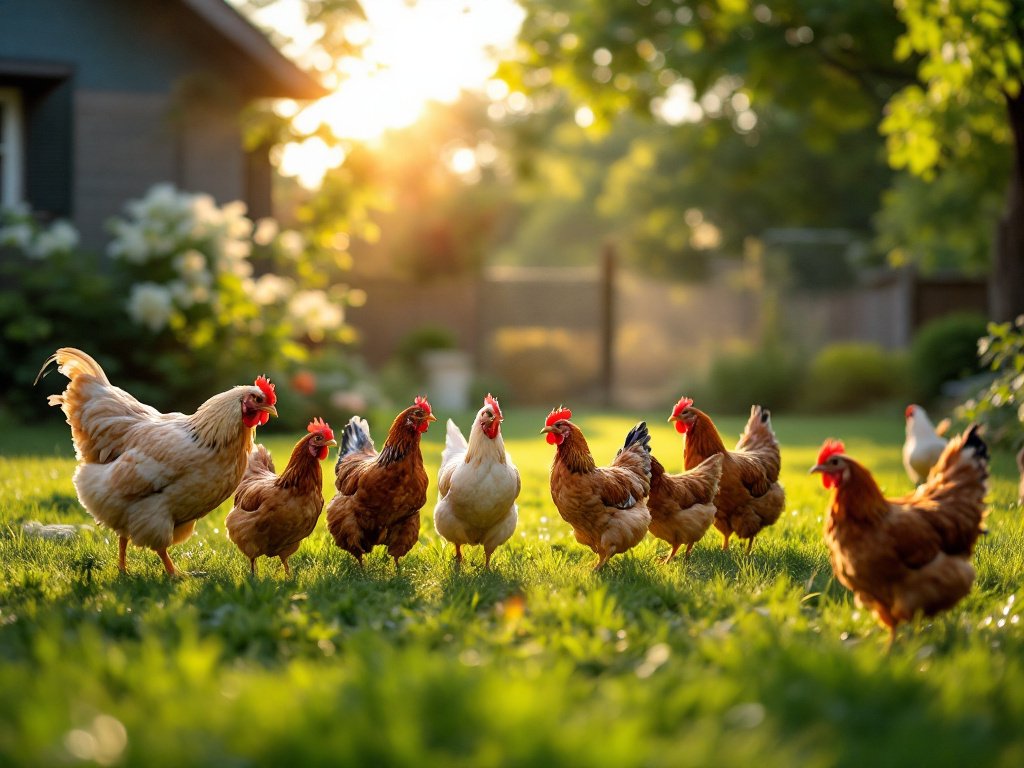
Typical beginner flock mixes include reliable layers like Rhode Island Reds or Plymouth Rocks, a dual-purpose breed such as Sussex for the occasional meat bird, and sometimes a bantam (like a Silkie) for pest control variety. But no matter the mix, maintaining at least four hens avoids “flockless” behavior and pitfalls. This advice is reinforced across experienced owner forums and best-practice guides (example).
Choosing and Sizing Your Starter Flock: A Step-by-Step Guide
To get your backyard flock right from day one, follow these steps:
- Clarify your daily egg needs. A family of two may be comfortable with 3–4 hens—while a larger family would usually want more birds, depending on egg use and whether extras are shared.
- Calculate realistic costs. The primary startup expenses are chicks (prices vary by source and breed), coop (costs vary widely), feeders/waterers (costs vary), and feed (a 50-lb bag whose price varies by brand and retailer, usually lasting several weeks for 4–6 hens). See detailed cost breakdowns in our cost to raise chickens guide.
- Zone your backyard for size and safety. Each chicken needs 3–4 square feet inside the coop and about 10 square feet in the run. For six hens, that’s at least 18–24 square feet of indoor coop and 48–60 in the fenced run. Check your city or HOA restrictions—many limit birds or require setback distances. Review more details in chicken coop space requirements.
- Pick beginner-friendly breeds. Stick with tried-and-true breeds like Barred Rocks, Australorps, or Orpingtons (see our best chicken breeds for beginners roundup). Avoid rare or skittish types until you’re confident.
- Choose a secure coop and run. Small flocks are at higher risk for predators—invest in sturdy latches, hardware cloth (not cheap chicken wire), and dig-proof runs. See DIY and prefab options in predator proof chicken coop guide and best chicken coop for 6 chickens.
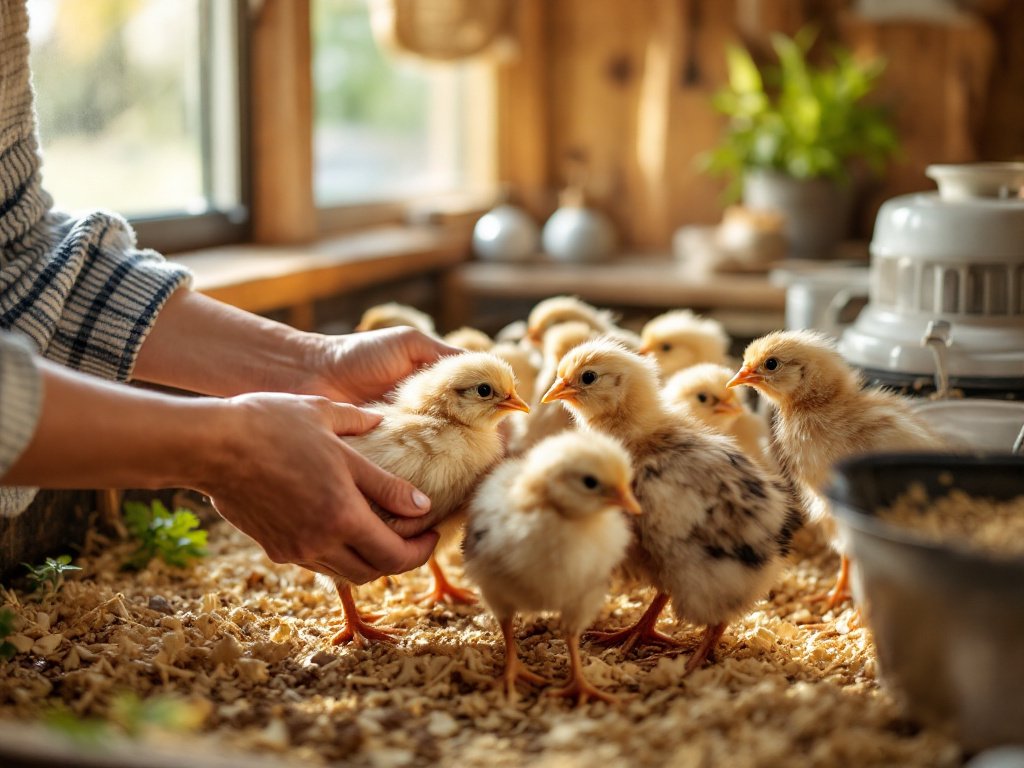
To further streamline setup and long-term care, consider:
- Using an automatic coop door—trims predation risk and lets you sleep in.
- Opting for a low-waste feeder and watering system. This reduces daily chore time and keeps food clean.
- Planning for winter and summer care needs from the start. See cold weather coop and winter chicken care.
Pitfalls, Costs, and Advanced Analysis for Backyard Flock Size
Real-world owner reports show the most common first-time mistakes cluster around flock size, cost underestimation, and poor security. Here’s a breakdown of what to watch for—and how flock size impacts your odds of success.
| Flock Size | Estimated Coop Size Needed | Egg Output | Starter Cost Range* | Common Risks |
|---|---|---|---|---|
| 2 birds | 6–8 sq ft | ~1–2 eggs/day | Low (but per-bird cost is highest) | High mortality, loneliness, easy prey, unstable social group |
| 4 birds | 12–16 sq ft | 2–3 eggs/day | Moderate | Steady eggs, much more socially stable |
| 6 birds | 18–24 sq ft | 3–5 eggs/day | Moderate to higher | The ideal balance; manageable chores |
| 8+ birds | 24+ sq ft | 5–7+ eggs/day | High—coop/space needs jump a lot | Crowding, pecking, disease risk, higher feed bills |
*Total starting costs scale mainly with coop/run size, not just number of birds; budget most for initial shelter and sturdy fencing.
Other advanced tips and pitfalls to plan for:
- Chick Mortality: Small pairs or trios have high loss rates due to stress, bullying, and lack of flock “cohesion.”
- Predators: Owners of small flocks often have more trouble with raccoons, foxes, or hawks, especially if the coop/run is undersized or not reinforced (see this extension guide).
- Disease and Overcrowding: As you go past 6–8 birds, risks for disease, picking, and poor egg production increase, especially if the coop isn’t expanded. Proper ventilation, space, and sanitation are musts—learn more in our ventilation guide.
- Unexpected Ongoing Expenses: Feed, bedding, predator-proofing and repairs all rise markedly when flocks exceed 6–8 hens.
For detailed breed-specific space and coop design help, visit our guides to beginner chicken breeds and chicken coops for 6 birds.
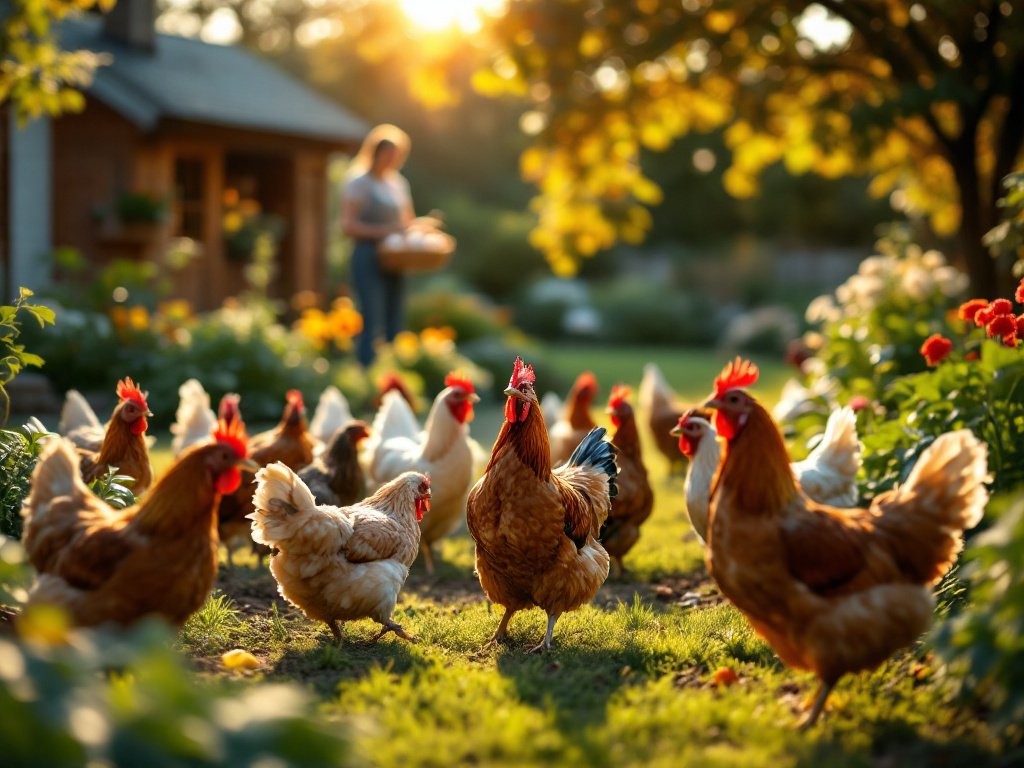
Conclusion: Planning Your Perfect Backyard Flock
There’s no universally “perfect” flock size, but most first-timers achieve success by starting intentionally small. The research shows that 4–6 hens provide robust eggs and a stable, easy-to-manage starter flock for most families—without the collapse points or hidden costs that take down many new chicken keepers. Focus on the right space, sturdy security, and realistic budget. Pause before adding birds “just in case.” Your daily chores, finances, and the happiness of your birds will thank you.
Ready to plan your first flock? Review coop sizes, breeds, and predator protection in our other guides—start small, start strong, and enjoy every fresh egg.
Frequently Asked Questions
How many chickens is too few for a backyard flock?
Less than 4 hens can lead to loneliness and a less stable flock—chickens are social birds and usually do better in a small group rather than pairs or trios.
How much space do I need for a starter flock?
Each hen needs 3–4 square feet inside the coop and about 10 square feet in the run. For six hens, aim for 18–24 square feet in the coop and 48–60 in the run.
Is it cheaper to build or buy a chicken coop?
Building can save money if you have tools and materials. Many first-timers find prefab coops easier but can be pricier. Always budget for durable hardware and predator proofing.
What’s the best breed for a beginner flock?
Reliable, hardy breeds like Rhode Island Reds, Plymouth Rocks, and Australorps are great for beginners. Avoid flighty or exotic breeds at first. See our best chicken breeds for beginners guide for recommendations.
Can I keep a rooster in my starter flock?
Most suburban flocks do not need a rooster for eggs, and local rules often prohibit roosters due to noise. For eggs alone, all-hen flocks are best.