
As an Amazon Associate we earn from qualifying purchases. This article contains affiliate links; we may earn a small commission at no extra cost to you.
Best chicken toys are not just a way to spoil your hens—they directly impact your flock’s health, safety, and quality of life. If you want realistic, durable enrichment that holds up, prevents boredom, and avoids safety risks, you need details most guides skip: true specs, buyer pitfalls, and current testing standards. Let’s get direct about what works, what fails, and what to actually look for if you want safe enrichment for backyard chickens.
Key Takeaways
- Don’t trust vague claims—look for toys with verified specs, food-safe materials, and clear safety compliance before buying.
- Most failures happen from wood rot, splintering, chemical leaching, and hard-to-clean designs. Spot these before you buy.
- The best chicken toys list their exact build, current field testing, warranty (typically 1 year or more for commercial models), and safety certifications.
- Why Chicken Toys Matter for a Healthy, Happy Flock
- What Makes the Best Chicken Toys? (Specs, Materials, and Safety)
- Typical Price Ranges & Value Points
- Failure Modes and Buyer Pain Points: What Goes Wrong?
- Closing the Gaps: What Popular Guides Miss (and You Need to Know)
- Recommended Picks: Top Chicken Toys That Pass Our Hard Test
- Care, Maintenance, and Safety Tips for Chicken Toys
- Frequently Asked Questions: Chicken Toy Selection & Safety
Why Chicken Toys Matter for a Healthy, Happy Flock
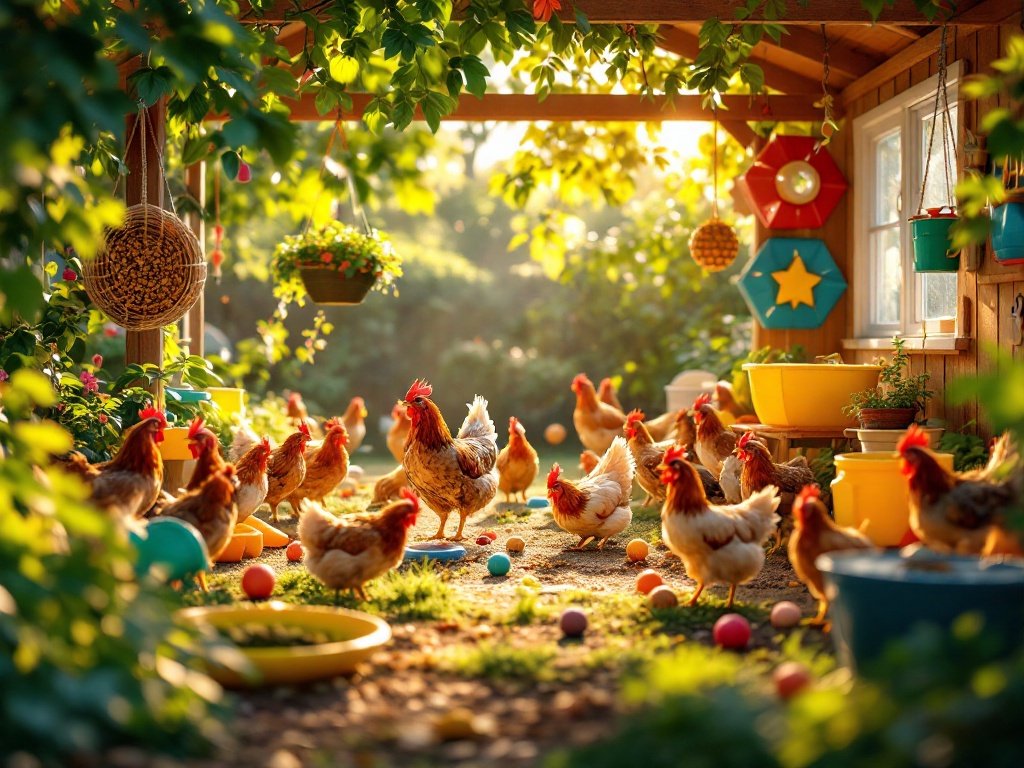
When chickens are confined to a coop or run, boredom and stress set in fast. Without the best chicken toys and meaningful enrichment, hens get restless—leading to loud, aggressive behavior, feather picking, and even disease. According to MannaPro, “Bored birds are noisy, aggressive, and prone to feather picking. Enrichment like Chicken swings, treat dispensers, and pecking toys are recommended to prevent stress and disease.” Stimulation mimics natural foraging, calms pecking order disputes, and reduces destructive habits. The right toys transform stressful housing into a calmer, safer, happier flock for both beginners and veteran chicken keepers.
What Makes the Best Chicken Toys? (Specs, Materials, and Safety)
Not all enrichment is equal—there’s real engineering behind the best chicken toys. For meaningful enrichment that won’t risk your flock, here are the specs top owners and recent guides demand:
- Chicken swings: Standard models use a sturdy frame with a clearly stated load rating, and smooth finishes like food-grade paint or natural oils. Look for FSC-certified hardwood or durable plastic. Poor swings rot, splinter, or collapse under weight, risking injuries (Omlet US Guide).
- Flock blocks: Quality blocks are often sold in large blocks with clear weight and ingredient labeling, pressed from whole grains (corn, oats, wheat) bound with natural ingredients. Bad blocks crumble fast, mold, or break into choking hazards (Homestead and Chill).
- Treat dispensers: Best-in-class models have 2–4 cup capacity, height adjustment, stainless steel or BPA-free plastic, and open easily for cleaning. The worst jam constantly, leak, or use questionable resins.
- Pecking toys: These are 6–8 inch blocks with holes—better models are solid hardwood, splinter-resistant, and finished with food-grade finishes.
What sets the best chicken toys apart is clear labeling: material grade (FSC hardwood, 316 stainless, or BPA-free plastics), true load limits, certified food-grade finishes, and, ideally, adherence to safety standards like ASTM F963 or CPSC 16 C.F.R. Part 1505 (CPSC Guidance).
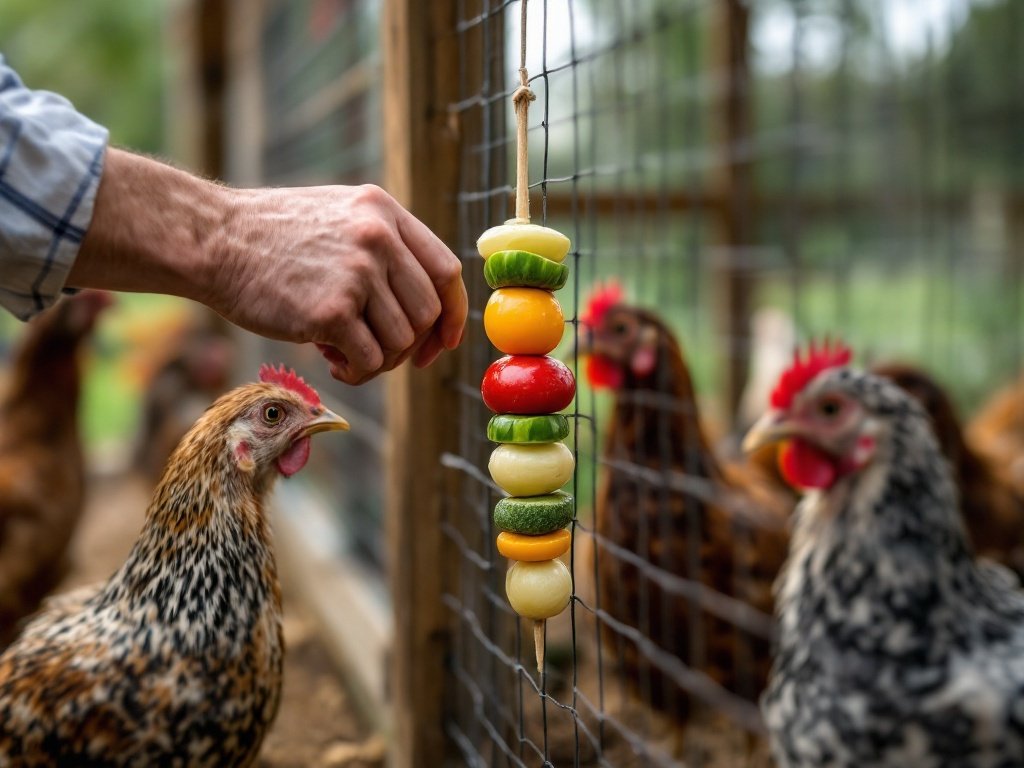
If you want year-round value, go for toys that combine metal and sealed wood, not untreated pine or bargain plastics.
For practical advice on hard-wearing chicken coop accessories beyond toys, see our guide to essential chicken coop accessories.
Typical Price Ranges & Value Points
Backyard chicken owners often overpay for short-lived gear or cheap out and face early failure. Here’s what you need to know by type—so you know where it’s worth investing:
| Toy Type | Typical Price Range | Splurge On | Save On |
|---|---|---|---|
| Chicken swing | $30–80 | Load rating, FSC/stainless build, long warranty | Ornamentation, plastic ends |
| Flock block | $10–20 | Size, natural binders, shelf life | Color additives, packaging |
| Treat dispenser | $25–60 | Food-grade compliance, ease of cleaning | Novelty features |
| Pecking toys for hens | $15–35 | Solid wood, finish quality | Painted graphics |
Value comes from toys that last multiple flock seasons, not single-use fillers. If your main goal is reducing waste as well as boredom, consider pairing a flock block with a no waste chicken feeder for long-term savings.
Failure Modes and Buyer Pain Points: What Goes Wrong?
Most underwhelming reviews of chicken toys gloss over common pain points—here’s what real owners report most often:
- Wood rot and splintering: Chicken swings and pecking toys for hens made with cheap pine or subpar coatings degrade fast, risking splinters or sharp edges that cut feet and beaks.
- Frame fatigue or collapse: Flimsy swings “bottom out” as frames loosen, which scares birds and can cause real injuries.
- Treat dispenser jamming: Narrow feed channels or rough finishes quickly become useless as grains stick, or they attract pests and mold in hard-to-clean gaps.
- Chemical leaching: Toys and treat dispensers using generic plastics or painted woods—without food-grade disclosure—can leach questionable residues.
- Extreme noise or rattling: Some swings, blocks, and treat toys create loud squeaks/chatter, disturbing your flock or neighbors.
- Choking hazards and mold: Flock blocks breaking up or pecking toys splintering can create deadly risks if not checked weekly.
Many of these failures can be eliminated at purchase: demand recent test dates, ask for material grade confirmation (FSC, food-grade certifications), and inspect hardware and assembly before installing. Combine toys with a well-built winter chicken coop for year-round health protection.
Closing the Gaps: What Popular Guides Miss (and You Need to Know)
Most mainstream “best chicken toys” reviews don’t share the hard facts buyers need. Specifically, they skip:
- Material & finish grade: Always look for clear proof of FSC-certified hardwood, 316 or 304 stainless fittings, and food-grade resins/paints. Without this, splinters, rot, and chemical leaching are a real risk.
- Safety compliance & warranty: Commercial-grade toys should clearly state any relevant safety standards or material compliance on packaging or the online listing. One-to-three-year warranties are standard for serious gear—no warranty? Rethink your purchase.
- Date of latest review or testing: Old reviews mean specs may have changed (and recalls missed). For example, top recommendations cite 2025+ reviews and continuous field testing (Omlet US Guide).
Bridging these gaps is how you pick toys that won’t just last but keep flocks safe. For other buying gaps commonly skipped in poultry gear, check our research-packed guides on the best heated chicken waterers and roosting bars for chickens.
Recommended Picks: Top Chicken Toys That Pass Our Hard Test
After sifting through dozens of recent reviews and safety bulletins, only a few chicken toy brands and builds hit all the marks (full spec disclosure, field tested after 2025, safety/warranty transparency). Here’s how to choose:
- Chicken Swing: Look for FSC hardwood or stainless steel frame, food-grade finishes, and a listed load rating above 30 lb. Must display warranty (≥1 year) and a recent (2025+) field test date. Example: The original Omlet Chicken Swing (Omlet US) checks these boxes.
- Flock Block: Choose blocks using whole grains, natural binders, with a production date stamp for shelf life. Avoid anything with mystery resins or bright non-food dyes.
- Treat Dispenser: Stainless or certified BPA-free plastic, with removable internals for thorough cleaning. Make sure it’s either labeled food-grade, or batch-tested, as described in CPSC toy safety info.
- Pecking Toys for Hens: Solid, sealed hardwood blocks with 6–8 inch length, rounded edges, and visible food-safe finish. Look for explicit CPSC/ASTM callouts and avoid any with splinter-prone softwood.
If a product can’t tell you its spec, test date, and warranty, keep shopping. For further enrichment, see complementary upgrades like an automatic chicken coop door or modular nesting boxes to make your coop a safer, smarter space year-round.
Care, Maintenance, and Safety Tips for Chicken Toys
Proactive care extends the life of even the best chicken toys and reduces injury risk. Smart backyard owners follow this routine:
- Inspect all toys weekly for cracks, sharp edges, wood rot, or loose hardware. Remove or repair immediately.
- Clean treat dispensers and pecking blocks with warm soapy water, then rinse and dry thoroughly to fight mold—a persistent pain point from buyer complaints.
- Sanitize shared enrichment (swings, blocks) every two weeks, especially in cold, wet months. Replace flock blocks if they show mold or strange odor.
- Rotate toys monthly. Swapping out toys prevents boredom and allows downtime for drying and deep cleaning.
Careful inspection directly prevents falls from swing frame fatigue and reduces risk of hidden mold or sharp splinters—issues cited by real flock owners. For more detailed health check routines, review our traffic-tested guide on how to tell if a chicken is sick so you can spot issues before they escalate.
Frequently Asked Questions: Chicken Toy Selection & Safety
How do I know if a chicken toy is truly food-grade and safe?
Look for explicit “food-grade” or “BPA-free” labels. The packaging or listing should also mention compliance with ASTM F963 or CPSC 16 C.F.R. Part 1505. If you can’t find this, contact the brand or pick a different product.
Which toy type is best for heavy breeds or large flocks?
Heavy breeds need chicken swing frames with a 40 lb+ load rating and solid stainless or hardwood construction. For flock blocks and pecking toys, go for the largest available—12–18 inches is common for long-lasting enrichment.
Are treat dispensers safe if I use layer pellets or scratch grain?
Many treat dispensers work with both pellets and grains, but check for adjustable holes and easy cleaning. Some models jam or attract mold. Stick with dispensers labeled food-grade plastic or stainless steel for maximum safety.
How often should toys and blocks be replaced?
Replace flock blocks as soon as they crumble deeply, show mold, or get soggy. Swings and pecking toys can last years with good maintenance—replace at any sign of rot, cracks, or exposed sharp edges, and always during flock quarantines or illness outbreaks.
What are signs of toy failure I should never ignore?
Never ignore splinters, loose joints, clouded plastic (possible UV damage), rust, sharp edges, or soaked wood. These can hurt hens or expose them to bacteria and should be removed immediately.