
As an Amazon Associate we earn from qualifying purchases. This article contains affiliate links; we may earn a small commission at no extra cost to you.
The best chicken coop for 3 chickens is rarely what mass-market kits promise. If you’re an urban or suburban backyarder planning a small flock, skip the marketing hype: real comfort, safety, and coop longevity demand careful attention to space, material, and true costs. This guide delivers straight facts so you get a practical, lasting setup—and avoid the rookie mistakes that waste money and cause chaos for both hens and owners.
Key Takeaways
- Plan for 12–14 sq ft coop space and at least 30 sq ft run area—most “3-chicken” kits exaggerate capacity.
- Plastic coops offer top longevity and hassle-free cleaning, while wood and metal kits demand smart upgrades for real predator and weather resistance.
- Buyer headaches like leaks, hardware failures, and tough cleaning can be avoided with precise sizing, added hardware cloth, and modified assembly steps.
- What Size and Features Define the Best Chicken Coop for 3 Chickens?
- Material Choices and Weatherproofing: What Lasts for a Small Flock?
- Budget vs. Premium: What Should You Really Expect to Pay?
- Top 5 Problems with 3-Chicken Coops—And How to Dodge Them
- What Guides and Reviews Miss: 3 Under-Covered Success Factors
- Conclusion
- Frequently Asked Questions
What Size and Features Define the Best Chicken Coop for 3 Chickens?
The biggest trap first-time buyers fall into is trusting kit manufacturers’ claims about capacity. A small chicken coop listed “for three hens” often crams birds in far too tight, which leads to bullying, poor laying, and disease. Real-life sizing should be based on animal welfare, not sales copy.
According to experienced keepers and industry best practices, that means you want roughly 2.5–4 square feet of usable floor space per bird, plus outdoor run space of about 5–10 square feet per chicken. For most urban or small backyard setups, this translates to a coop about a size that provides about 12 square feet of coop space total and adequate headroom for cleaning and roosting—plenty for three average laying hens, without crowding or stress behaviors.
- Ventilation: Essential for ammonia and moisture control. Seek covered vents that don’t cause drafts in winter—see our chicken coop ventilation tips.
- Nesting boxes: One box per two or three hens suffices—use deep, dry bedding to reduce egg eating. Consider upgraded nesting boxes for best results.
- Safe entry/exit: Pop doors need strong latches and snug hardware cloth. Many prefab kits have gaps large enough for rats or weasels; always inspect closely or reinforce after purchase.
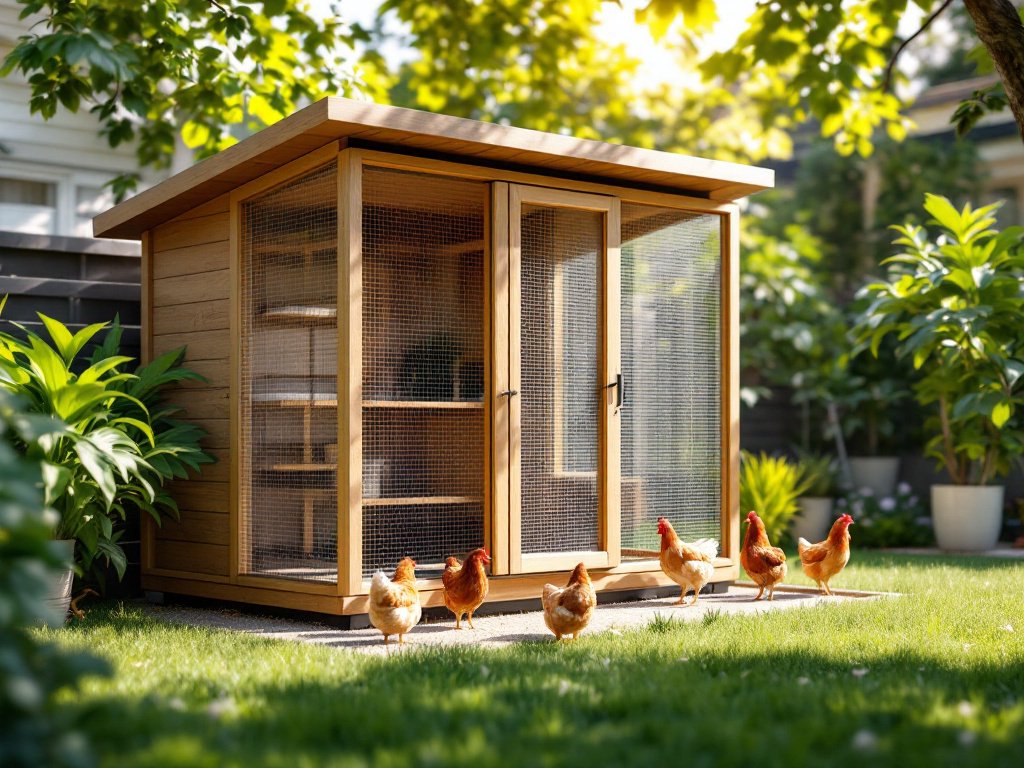
If you need to accommodate colder weather, a draft-free build becomes vital. Check out our guide to winter-ready coops for more details.
Material Choices and Weatherproofing: What Lasts for a Small Flock?
Material choice in a compact hen house is more than a matter of style—it directly impacts lifespan, maintenance, and protection for your flock. All materials come with trade-offs that every first-time owner should weigh.
- HDPE Plastic: UV-resistant, never rots, and hose-clean. Kits like these are often marketed with long lifespans, with some premium plastic models rated for 15+ years and are easiest to keep sanitary (just spray and you’re done). They’re also lightweight—light enough for one person to move, though exact weight varies by model—making them easy for one person to move for periodic grazing or deep cleaning.
- Fir/Pine Wood: Offers natural insulation and a classic look, but requires sealing and repainting. Thin wood kits (½–¾ inch) usually last 5–7 years, but only if kept dry and upgraded with proper hardware cloth for predators. Watch for cheaper models that use even thinner panels, as these can warp, leak, or rot fast.
- Galvanized Steel: Strong frames and panels resist chewing pests and rust (if quality coatings are used)—ideal for easy assembly as DIY kits, though most still need added mesh for small predators.
Whichever starter coop you lean toward, check the roof for overhang and solid waterproofing, especially in rainy or snowy climates. For maximum predator-proofing and easy maintenance, plastic coops lead the pack, but wood and metal can be upgraded—as long as initial assembly is done thoughtfully and hardware is reinforced.
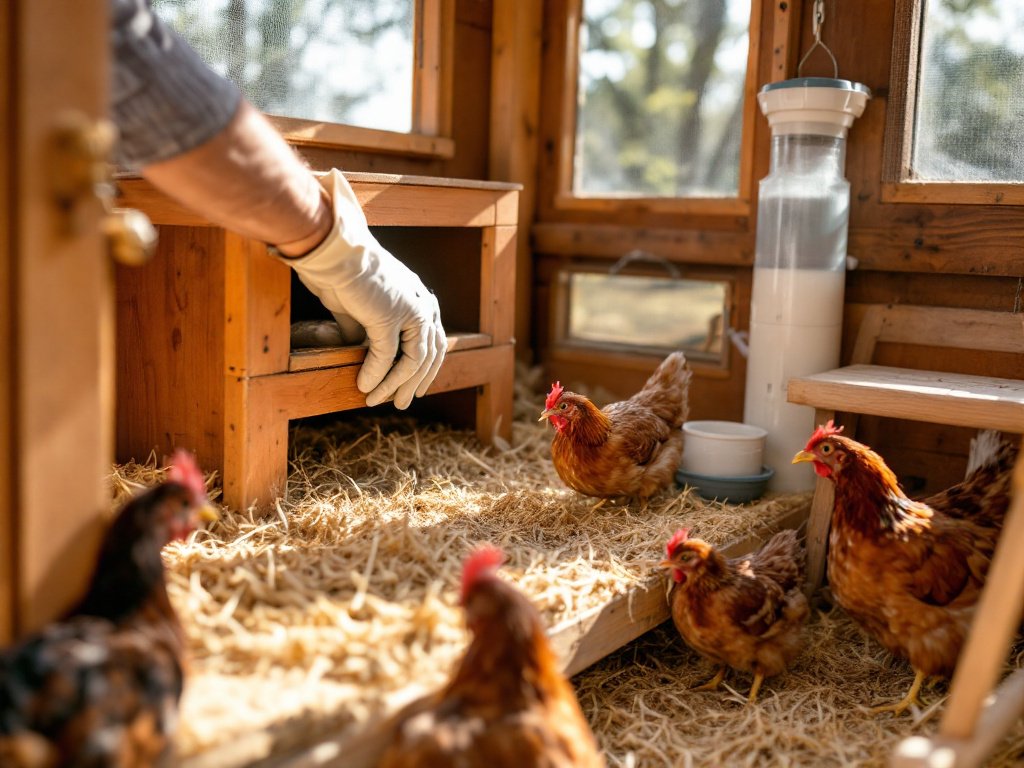
Don’t forget—whether you’re assembling a compact hen house or buying a kit, assembly and parts matter. Read more about predator-proof upgrades for peace of mind.
Budget vs. Premium: What Should You Really Expect to Pay?
The market for a coop for small flocks is full of misleading deals. Review real-world cost bands before spending a single dollar:
- Budget ($150 and under): Basic thin-wood kits, minimal hardware, small size, often too cramped for three birds. Expect to upgrade or modify for weather and pests—and never count on longevity past one or two seasons.
- Mid-Range ($150–$500): Quality plastic models and some metal snap-together kits fit here. These usually include an attached run, sturdy hardware, and can last five years or more with only basic care.
- Premium ($500–$1,500): Larger wood models with sealed roofs, thick panels, insulated floors, and secure hardware. Expect heavier kits and higher shipping costs, but you’ll get much stronger predator and weather protection out of the box.
- Custom/permanent installs ($5,000+): These “forever” builds feature concrete slabs, automated doors, insulated walls, and full-size walk-ins. Great for true poultry enthusiasts—but overkill for most backyard hobbyists with 2–4 birds.
Beware shipping surprises. Shipping varies by seller and model; heavier kits may require freight delivery, which can add significant cost. Always check what’s included—some kits lack essentials like runs or real hardware cloth.
If you want to invest for the long haul, premium and custom options will save frustration and cash in the long term. Otherwise, a well-chosen mid-range small chicken coop, upgraded by hand, strikes the best balance of price and durability. See more about required space and cost breakdowns here.
Top 5 Problems with 3-Chicken Coops—And How to Dodge Them
Don’t just take seller promises at face value! Learning from common buyer complaints will help you dodge wasted money and lost birds.
| Problem | Root Cause | How to Avoid |
|---|---|---|
| Roof/joint leaks | Poor roof overlap, missing gaskets or sealant | Caulk every joint before first use; check after storms |
| Predator gaps | Large door cracks, open floor edges, loose latches | Add hardware cloth under floor and around pop door; reinforce all latches |
| Insufficient ventilation | Too few vents, badly placed or easily blocked | Drill extra holes under eaves; keep vents open year-round for airflow |
| Rust/rot/missing hardware | Thin or untreated materials, poor packing, fastener quality | Paint all wood before assembly; replace all screws and hinges with quality parts |
| Cleaning difficulty | Small doors, tight interiors, no removable floor or droppings board | Pick models with large access doors or removable trays; avoid tiny “house” coops |
Anticipating these issues ensures your starter coop won’t become a short-lived, frustrating project. For extra peace of mind, use our thorough chicken coop cleaning guide.

What Guides and Reviews Miss: 3 Under-Covered Success Factors
Most info stops at assembly or basic features—but real owners know the devil is in the daily details. Here are three critical, under-appreciated points:
- Durability over time: Even the best small coop can fail due to snow load, sun warping, or daily wear. Plastic “snap-together” coops outperform wood for truly low upkeep—but wood or metal can last if inspected and patched every season.
- Hidden upkeep costs: Sub-$1,000 coops virtually always require add-ons: extra hardware cloth, weatherproofing, improved latches, and occasional fastener replacement. Budget for these from day one—they directly impact longevity and bird safety.
- Real assembly/set-up tips: Don’t rush. Owners stress that proper leveling, pre-sealing wood, and using quality hardware during setup add years to coop life and save hours in future repairs.
One plastic model cited in FlockGuide’s review can be snapped together in under an hour by one person, fully waterproof, and hose-cleaned for simplest maintenance. Yet nearly all mid-range or below kits (especially wood or metal) require some modifications to beat predators and weather. Learn more about moveable coop options for even more flexibility.
Conclusion
No prefab kit is perfect out of the box, but with the right knowledge—and the lessons of hundreds of owners—the odds are in your favor. Choose your coop model based on honest square footage, realistic materials, and your climate’s challenges. Add an upgrade budget and set aside time for setup modifications. The best chicken coop for 3 chickens is the one that solves your family’s needs and keeps your hens safe, dry, and easy to handle year-round.
Ready to get started? Browse our coop size guides for bigger or future flocks, or dig into our picks for no-waste feeders and winter-ready waterers. A little smart planning now means less stress later—both for you and your hens.
Frequently Asked Questions
How many nesting boxes do I really need for three chickens?
One nesting box for up to three hens is enough. Chickens typically share boxes, so two boxes work even for four birds.
Is a plastic or wooden coop better for beginners?
Plastic coops are lower maintenance and last longer, especially for small flocks. Wooden coops need sealing and predator upgrades but can work well if assembled with care.
What’s the easiest way to keep a small chicken coop predator-proof?
Line all vents and the floor base with hardware cloth, reinforce latches, and add a predator apron or dig-proof skirt around the run. Read our predator-proofing guide for practical steps.
How often do I need to clean a 3-chicken coop?
Clean droppings weekly, replace bedding monthly, and do a deep clean each season. Hose-clean coops or removable trays make quick work of routine maintenance.
Can you keep three chickens happy in a very small backyard?
Yes, as long as you provide enough secure run space, shade, and enrichment. Moveable “tractor” coops or modular runs are ideal for tiny yards and rotational grazing.
Sources
- PetMD – 4 Best Chicken Coops in 2026, Recommended by Vets
- The Spruce – Chicken coop size guidance
- The Consumers’ Guide – Best Chicken Coops for a Backyard Small Flock in 2026
- FlockGuide – Best Amazon Chicken Coops 2026
- The Hen House Collection – Chicken Coop for 3 Chickens
- Amazon – NESTERA Small Lodge Chicken Coop product listing