
As an Amazon Associate we earn from qualifying purchases. This article contains affiliate links; we may earn a small commission at no extra cost to you.
Chicken breeds for hot weather are the go-to for backyard keepers facing triple-digit summer temperatures. But too many guides recycle the same generic lists and skip the numbers. Here’s exactly how Mediterranean chickens—especially Leghorns—perform, what it costs, and how to keep eggs and birds thriving through scorching months.
Key Takeaways
- Mediterranean breeds such as Leghorns offer unmatched heat tolerance and the highest realistic egg output during hot summers.
- Expect egg production and feed intake to drop significantly at high temperatures—daily management strategies are critical for summer flocks.
- Summer egg success relies on cool water, deep shade, wet feeding, and active monitoring—most guides miss these actionable details.
- Why Choose Mediterranean Breeds for Hot Weather?
- Typical Summer Productivity & Cost Breakdown
- Ideal Coop Set-Up for Beating the Heat
- Owner-Reported Heat Stress Challenges (And Proven Fixes)
- Feed and Water Management Adjustments in Summer
- Buyer’s Checklist: What Most Guides Overlook
- Quick Reference Table: Top Mediterranean Breeds for Hot Weather
- FAQs on Chicken Breeds for Hot Weather
Why Choose Mediterranean Breeds for Hot Weather?
Mediterranean chicken breeds—most notably Leghorns—have long been favored for their ability to stay productive in high heat when heritage or cold-climate breeds struggle. Their light frames, wide combs, and naturally curious foraging style help dissipate heat efficiently, making them the true standard for chicken breeds for hot weather.
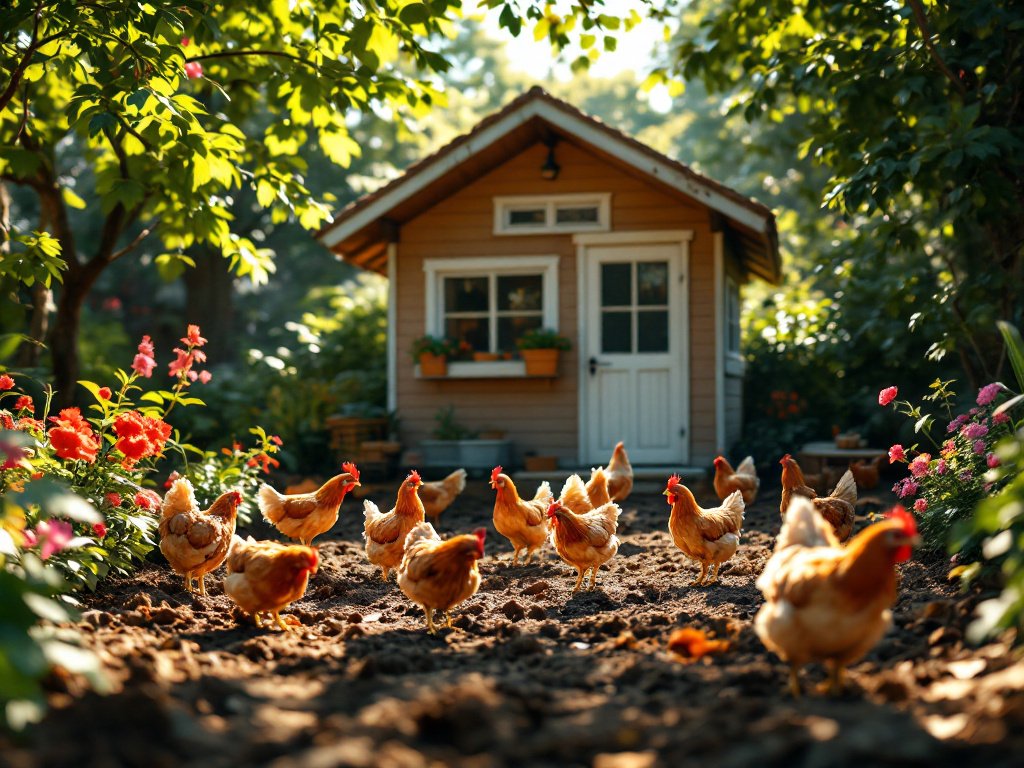
Unlike cold-hardy types bred for thick feathers and body mass, Mediterranean breeds like the White Leghorn keep laying well into the 90–100°F range. In cooler conditions, White Leghorns average about 280–320 eggs per year—around 6.5 eggs per week. In peak summer, it’s realistic to expect a drop to five or six eggs per week per bird, but that is still ahead of most other breeds under stress. The lean build also means less risk of heat exhaustion or mortality if the right summer protocols are in place.
For new chicken owners or those expanding their flock, Mediterranean chickens represent the best odds of maintaining steady egg supply and bird health during relentless summer heatwaves.
Typical Summer Productivity & Cost Breakdown
When selecting summer laying hens, you need clear expectations for both output and expenses—not wishful thinking. The truth: heat tolerant chickens like Leghorns lay reliably, but there are real-world drops when the thermometer spikes.
Under 75°F, a White Leghorn can churn out about 6.5 eggs per week, totaling roughly 330 eggs a year. Once sustained temperatures top 85°F, count on 5–6 eggs per hen per week, with further dips possible if heat is intense or water is lacking. Many breeds won’t reach even those numbers (source).
Feed isn’t just about quality—it’s quantity. Leghorns typically consume about 100–110 grams of feed per bird daily in cool weather, but as heat climbs past 85°F, appetite will fall to 70–80 grams or even less. Supplementing with wet feed or spraying feed lightly with water keeps intake and energy high.
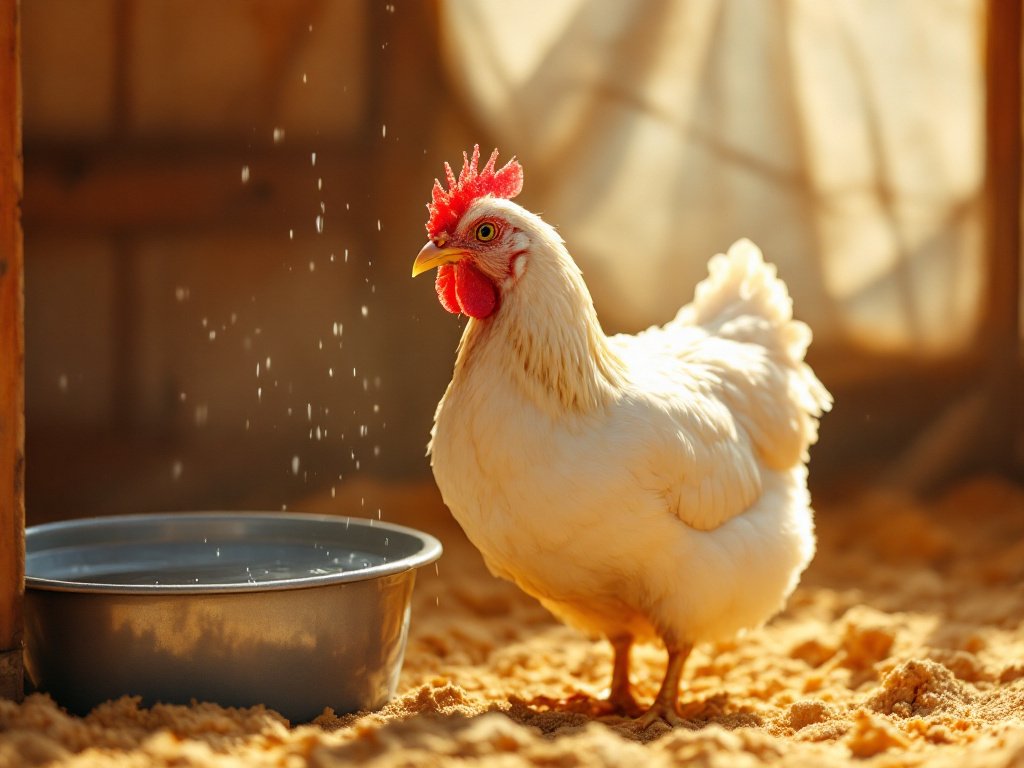
If you’re buying, day-old Leghorn chicks and started pullets vary by hatchery, region, and season, depending on source and region. Budget accordingly, and factor in supplemental feed, minerals, and extra water during the summer months (source).
For more detail on cost factors, see our comprehensive cost guide to raising chickens.
Ideal Coop Set-Up for Beating the Heat
The coop environment can make or break summer egg production and bird health. Heat stress in breeds like Leghorns is greatly reduced when the living space is engineered to keep birds as cool as possible. Start here:
- Keep coop temps in the 65–75°F (18–24°C) range for best results. In practice, anything much above 85°F for many hours risks egg losses and mortality.
- Cross-ventilation is essential: install opposite windows, roof turbine vents, or fans pointed away from nest boxes.
- Provide at least one deep, all-day shade area in both run and coop interior. Use tarps or shade cloth on the west and south exposures.
- Position your coop under mature trees if possible. Otherwise, artificial shade is non-optional in open backyards.
For extra cooling, consider placing frozen water bottles inside nest boxes, replacing them as they thaw, and using mister systems in the run. Closely monitor for any stagnant airflow or ammonia buildup—heat amplifies both. See this extension guide for details, or browse our ventilation guide and hot climate coop tips.
If your run is fully exposed, mobile shade tarps that move with the sun work well. For more on run upgrades and secure enclosures, check out our best chicken run upgrades.
Owner-Reported Heat Stress Challenges (And Proven Fixes)
Even with great breeds and a strong setup, heat tolerant chickens still face serious summer challenges. Owners almost universally report:
- Panting and rapid open-mouth breathing
- Sharp, sudden drops in egg production
- Signs of dehydration—pale combs, lethargy, or birds clustered by waterers
- Occasional, sudden heat-related deaths in extreme conditions
What works—consistently—are three core interventions:
- Deep, all-day shade: Use shade cloth or tarps on the run’s west side and over the coop. Prevents direct sun from hitting the ground and run.
- Maximum airflow: Open all possible windows and collection doors, install low-speed fans or roof turbines to vent hot air rapidly.
- Cool, abundant water: Many owners use chilled water, frozen 2-liter bottles in drinkers, or add poultry-safe electrolytes to offset mineral losses from panting (source).
Many other breeds simply cannot recover egg production during a heatwave, but Mediterranean hens can rebound quickly with this system. For coop security during open-window periods, review our full predator-proofing guide.
Feed and Water Management Adjustments in Summer
Feeding and watering routines must adapt for heat tolerant chickens to stay healthy and keep laying through the hottest days. Here’s what works, grounded in real owner experience and research:
- Expect feed drops: Daily intake can fall by 25–30% in extreme heat as birds eat less to reduce metabolic heat load.
- Offset with wet feed: Mix water with feed (do not let it spoil), serve in small batches to make it more palatable and boost intake (source).
- Water access is critical: At higher temperatures, Leghorns will drink substantially more than they do at cooler temperatures. Ensure gallons of clean, fresh water always available; keeping water cool (ideally 23°C) encourages drinking (source).
- Electrolytes, minerals, and brief supplement runs: Add electrolytes or poultry-safe mineral blocks for a few days during heatwaves only (per package instructions to avoid overdosing).
For specific layer feed strategies and helpful supplements, see our expert comparison of the best poultry electrolytes and best poultry electrolytes.
Monitor every bird twice daily during peak heat for signs of dehydration or feed refusal. Early intervention keeps flocks robust and eggs flowing.
Buyer’s Checklist: What Most Guides Overlook
If you’re new or upgrading your heat tolerant flock, don’t miss these often-skipped—but crucial—considerations for long-term summer success:
- Get realistic about summer egg rates. Most sources use ideal, annual averages. Set your expectation to 5–6 eggs per Leghorn per week in high heat, not 7 or more.
- Demand actionable feed and water tactics. You need more than generic advice—insist on specifics: wet feeding, chilled water, mineral supplementation, and sample schedules.
- Monitor ongoing health, not just in crisis. After heatwaves, watch for persistent weight loss, pale or shrunken combs, and feather quality. Long-term mineral supplementation supports recovery and future performance.
Very few guides offer this level of specificity. For more deep-dive breed/product picks with quantified data, visit our comprehensive egg laying breeds guide and chicken breeds for beginners.
Quick Reference Table: Top Mediterranean Breeds for Hot Weather
| Breed | Summer Egg Rate (eggs/week) |
Annual Egg Rate | Feed Intake (g/bird/day, summer) | Chick Price (day-old) |
Pullet Price (20 wks) |
Summer Care Notes |
|---|---|---|---|---|---|---|
| White Leghorn | 5–6 | ~330 | 70–80 | $2–4 | $15–25 | Needs max airflow, chills easily if soaked; top feed-to-egg ratio, rapid egg production drops if water is warm or limited |
| Brown Leghorn | 5–6 | Similar to White Leghorn | 70–80 | Varies | Varies | Flightier than white, equally heat tolerant; good free rangers, need shade/shelter from direct sun |
| Ancona | ~5 | 250–280 | Similar | Varies | Varies | Small size, excellent foragers, needs secure fencing; bright combs signal dehydration risk during heatwaves |
For a breakdown of breed-specific space requirements, nest boxes, or run upgrades, see our guides on coop space and egg laying boxes.
FAQs on Chicken Breeds for Hot Weather
What is the best chicken breed for hot weather?
Mediterranean breeds (especially White Leghorn) are widely considered the best chicken breeds for hot weather due to their high egg output and superb heat stress recovery. Brown Leghorns and Ancona chickens also perform well in high summer temperatures.
How much do Mediterranean chicks and pullets cost in 2024?
Day-old White Leghorn chicks usually sell for $2–4. Started pullets (about 20 weeks) typically cost $15–25. Prices for other Mediterranean types vary by hatchery and demand.
What’s the average egg production for Leghorns in the summer?
In sustained hot weather, White Leghorn hens lay about 5–6 eggs per week—slightly lower than the 6.5/week average in cooler seasons.
How does feed and water intake change for chickens in hot weather?
Feed intake drops to 70–80 grams/bird/day during hot spells (down from ~110g in cool weather), and water consumption doubles in extreme heat. Offering wet feed and cool, fresh water helps offset this decline.
What are the most important summer care steps for heat tolerant chickens?
Prioritize deep shade in both coop and run, maximize airflow with vents or fans, and provide cool water with occasional electrolytes. Monitor closely for dehydration and egg production trends during heatwaves.
Conclusion
Choosing the right chicken breeds for hot weather can make all the difference for reliable summer eggs and low flock stress. Mediterranean types—especially Leghorns—are proven performers, but their success depends on smart summer management: shade, ventilation, cool water, and feed adjustments. Set realistic production goals, budget for key care supplies, and adapt your daily routines. Ready to upgrade your summer flock? Start with the right breed, and revisit our practical guides for the tools and support you need.
—
Sources
- Tractor Supply Co. Leghorn Breed Guide
- Chicken Homestead: Leghorn Chicken Breed Profile and Care Guide
- Poultry Science: Effect of Heat Stress and Diet Composition on Performance of White Leghorn Hens
- University of Minnesota Extension: Preventing Heat Stress in Poultry
- Oklahoma State Extension: Backyard Flock Production