
As an Amazon Associate we earn from qualifying purchases. This article contains affiliate links; we may earn a small commission at no extra cost to you.
Best bantam chicken breeds are a smart solution for families with small backyards or tight city lots who want eggs or kid-friendly pets without the chaos or space requirements of standard chickens.
Key Takeaways
- Bantams are true small chicken breeds that fit well into urban spaces, needing less room and less feed than standard hens.
- Not all bantam chickens are equally family-friendly—breed matters for temperament, egg production, and overall trouble factor.
- Breed-specific housing tweaks and an honest look at bantam eggs are key for a happy, productive flock in a backyard setting.
- Why Choose Bantam Chickens?
- Best Bantam Chicken Breeds (With Breed-by-Breed Comparison Table)
- Most Common Bantam Owner Complaints (and How They Vary by Breed)
- What Most Bantam Guides Miss (Breed-Specific Housing, Egg Facts, and Hatching Tips)
- FAQs: Bantam Chickens for Family Backyards
Why Choose Bantam Chickens?
Bantams are small chicken breeds that stay under about 2 pounds as mature adults, making them perfect for anyone short on space or looking for gentle birds around kids. Unlike standard chickens, bantams need less coop space, use less feed, and are easier to handle for first-timers. Their friendly, often docile nature means many can double as pet chickens for kids. In cities or HOAs where larger breeds and full flocks are discouraged, bantams also offer a legal way to enjoy home-raised eggs and companionship with minimal fuss.
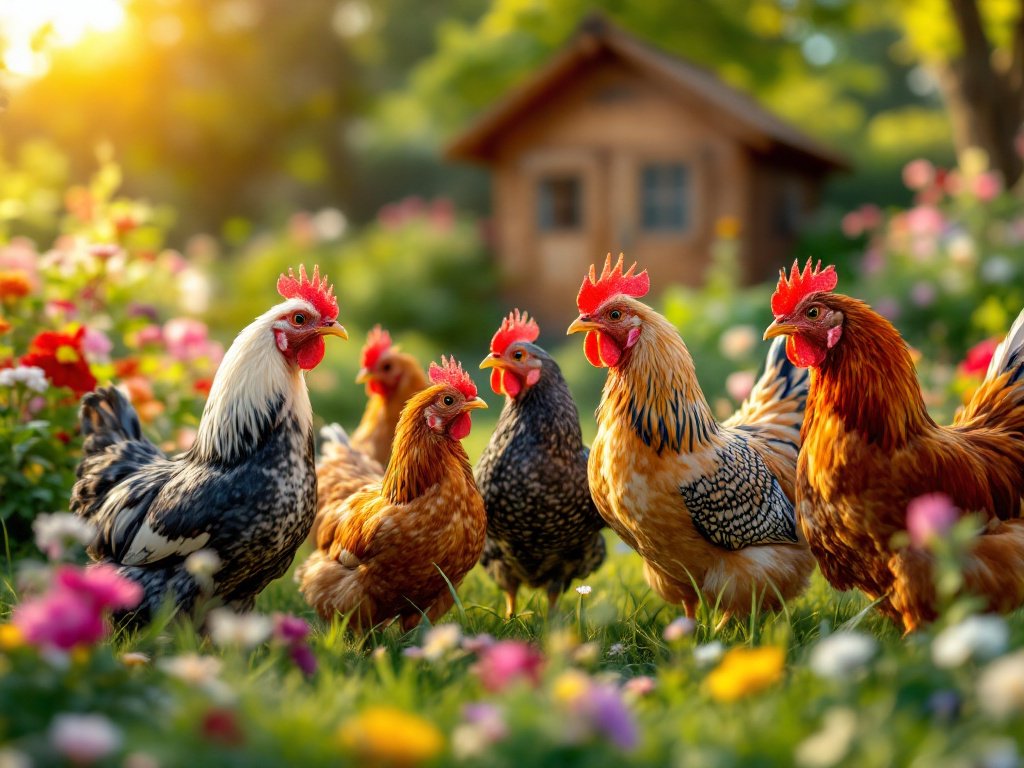
Bantams lay small but tasty eggs—roughly half the size of a supermarket large egg. If you’re curious about maximizing flock efficiency, see this guide on chicken coop space requirements for tips on keeping bantams comfortably housed in compact gardens.
Whether you’re interested in unique ornamental types, regular egg baskets, or a flock that gets along with toddlers, the right bantam breed can deliver without crowding your yard or breaking your back on chores. Learn more about how their petite size can be a big backyard advantage in external guides on bantam chickens.
Best Bantam Chicken Breeds (With Breed-by-Breed Comparison Table)
Choosing the best bantam chicken breeds isn’t one-size-fits-all. Here’s how top picks actually compare by egg production, size, price, temperament, and the quirks families actually notice in daily life:
Silkie chickens are crowd favorites for families, thanks to their calm personalities and super-soft feathers—perfect pet chickens for kids. Leghorns top the charts for bantam eggs, but families should expect them to be on the aloof side. For friendly, low-stress pets, Sussex, Plymouth Rock, and Cochins consistently come up as owner-approved breeds.
When budgeting, note that show-quality stock or unusual colors can cost much more, especially for Silkies. For a breakdown of real costs—including coops, feeders, and startup—visit our chicken cost guide.
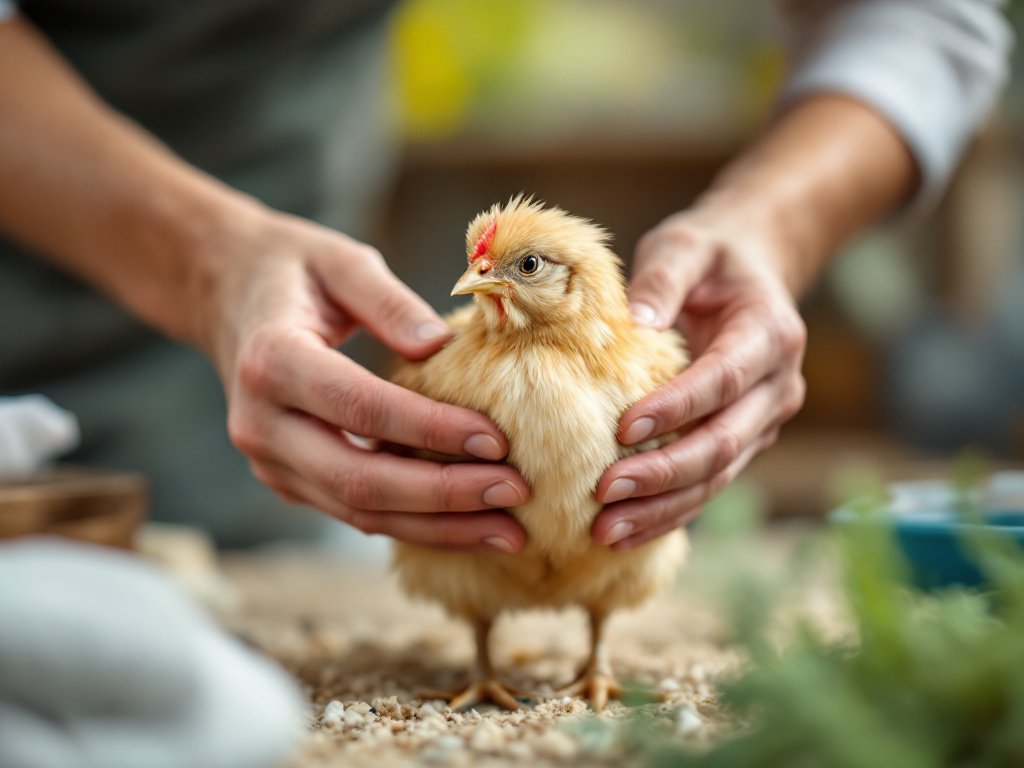
If you need predator-proofing tips for small and lightweight breeds, check our latest on predator proof chicken coops. Remember: bantam breeds can squeeze through surprisingly small gaps and may fly over lower fencing, so double-check all boundaries.
Most Common Bantam Owner Complaints (and How They Vary by Breed)
No chicken breed is perfect. Here are three pain points that frequently trip up bantam owners—especially families and first-time keepers:
- Flightiness and Escapes: Leghorns, D’Uccle, and Dutch bantams are the biggest offenders. They spook easily, are capable fliers, and will roost on anything high—sometimes vanishing for hours. Sussex and Plymouth Rock bantams are more moderate, while Silkies, Cochins, Brahmas rarely even try to fly.
- Persistent Broodiness: Silkies have a legendary urge to go broody. That’s a plus if you want to hatch chicks, but a con if you want steady bantam eggs. Cochins and Brahmas also spend a lot of time wanting to “sit.” Leghorns show broody spells less often. Most ornamental bantams like Dutch and D’Uccle rarely brood.
- Health Problems (Feathered Feet and Cold Sensitivity): Silkies, Cochins, and Brahmas all have thick foot feathers and are much more prone to mites and frostbite—especially in climates with cold, wet winters. Leghorns and Dutch/D’Uccle have fewer leg issues, but their small size means more cold stress unless you use a proper winter chicken coop. See best chicken coop for cold weather for practical winterizing tips.
It’s easy to be caught off guard by brooding or escape attempts, but with forethought, most issues can be managed. Housing is critical for these breeds—predator- and child-proof latches, safe ramps, wide doors, and plenty of secure run space are musts. Find ramp ideas with our best chicken coop ramp ideas.
What Most Bantam Guides Miss (Breed-Specific Housing, Egg Facts, and Hatching Tips)
Most bantam guides skip the practical details that matter most when families bring chickens into small gardens. Here’s what you’ll actually need to know:
Kid-Friendly Bantam Housing Basics
- Install ground-level nesting boxes; bantams and kids both benefit from easy egg collection. See our best nesting boxes for chickens guide for sizing tips.
- Add wide, low perches. Avoid high bars, which encourage escapes and wing injuries.
- Use ramps with gentle slopes and secure grip. Kids are safer with shallow steps, and so are small birds. See ideas in best chicken coop for 6 chickens.
- Fit all doors and latches with locks: bantams slip through smaller gaps, and curious kids can release birds by accident. For premium security, check the best automatic chicken coop door recommendations.
Bantam Eggs—What You Should Know
- Eggs are usually half the size of a standard egg. In recipes, use two bantam eggs for every large egg .
- Average bantam egg weighs about 35 g, though actual size varies by breed. Taste is rich, but remember: baking and breakfast numbers need adjusting.
- Egg production per breed varies widely—don’t expect Leghorn-level output from fluffy Silkies or ornamental Dutch bantams.
Hatching and Incubation Tweaks
- Bantam eggs need 21 days at about 99.5°F; very small bantam eggs may hatch a day early.
- Raise humidity to 65–70% in final three days for best hatch rates.
- Turn eggs 3–5 times daily if you incubate by hand; many beginners miss this detail and get poor chicks as a result. Easy incubator picks are found in best egg incubator for beginners.
For stress-free chick raising, use a chick brooder setup from our step-by-step chick brooder setup guide.
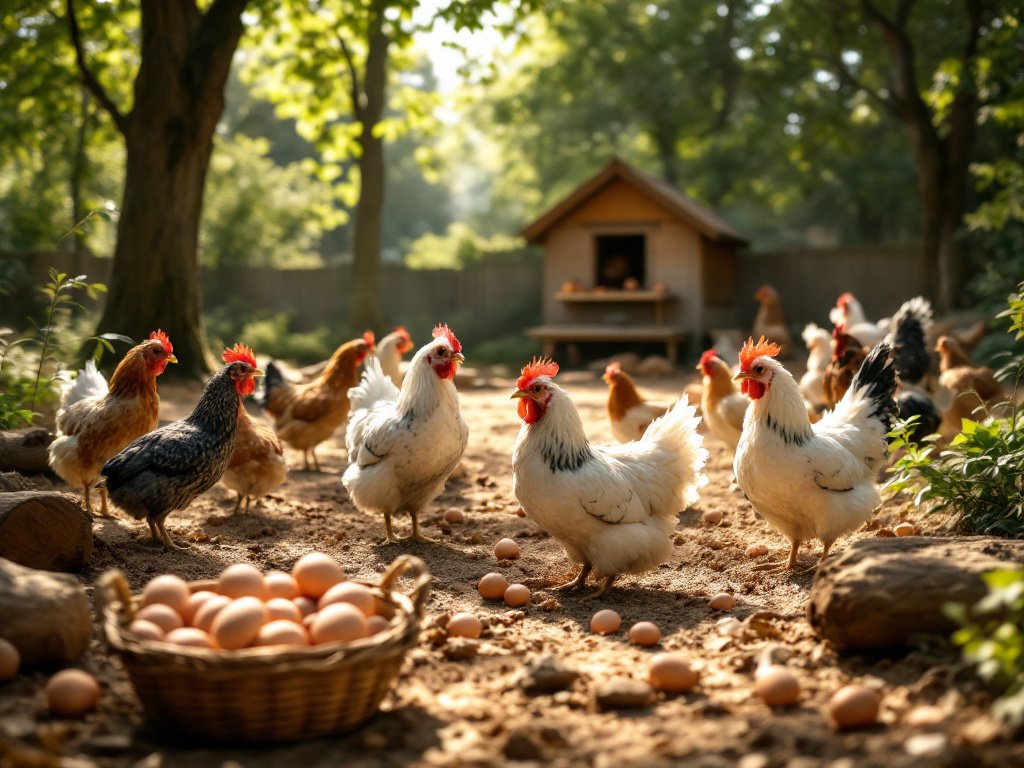
Conclusion: Make the Most of Bantams in Your Backyard
Choosing the best bantam chicken breeds means matching a bird’s temperament, egg output, and quirks to your backyard and family’s needs. Silkies, Cochins, and Sussex are especially kind for kids and small spaces, while Leghorns rule if what you want is eggs first and personality second. Build your bantam setup around low perches, predator-proof latches, and realistic egg expectations. Ready to try a flock for yourself? Check our expert gear guides to set up a safe, fun, and productive bantam home in your backyard.
FAQs: Bantam Chickens for Family Backyards
Are bantam chickens good for kids?
Yes. Breeds like Silkies and Cochins are known for their calm, gentle personalities and rarely scratch. They are widely recommended as pet chickens for kids, especially in urban backyards.
How many eggs do bantam chickens lay compared to standards?
Bantam egg production varies by breed. Productive types like Leghorn bantams can lay 150–200 eggs a year, but most produce noticeably fewer eggs and the eggs are about half the size of large supermarket eggs. Plan on using two bantam eggs for every standard egg in recipes.
Do bantams need special feed?
No, bantams can eat the same layer feed as standard hens, but may need feeders sized to their beaks and height. Multiple feeding stations prevent bullying by bigger birds. Get more tips in our best chicken feeder no waste guide.
Are Silkie chickens good pets for young kids?
Absolutely. Silkies are famous for being especially gentle, easy to hold, and tolerant of handling—making them ideal pet chickens for small children. Their biggest downsides are low egg count and slightly higher health care needs.
How flighty are bantam chickens?
Bantam breeds vary: Leghorns, D’Uccle, and Dutch are very flighty and can escape easily if runs aren’t covered. Silkies, Cochins, and Brahmas are much calmer and almost never fly. For tips on fencing and containment, see how to stop chickens flying over fence.