
As an Amazon Associate we earn from qualifying purchases. This article contains affiliate links; we may earn a small commission at no extra cost to you.
Why is my chicken sneezing? For backyard chicken keepers, sudden chicken sneezing can spark real worry—sometimes it’s just dust, but it may also signal a brewing flock health problem. Understanding the difference, what symptoms mean trouble, and how to handle common hurdles like vet costs or rural care can help you act quickly and wisely.
Key Takeaways
- Chicken sneezing is often triggered by dust, poor ventilation, or early respiratory infection.
- Look for warning signs beyond sneezing, like nasal discharge, trouble breathing, or a lethargic bird.
- Getting a diagnosis and treatment can be tricky—vet access and costs are real concerns—so prevention and fast action are key.
- Why Is My Chicken Sneezing?
- Chicken Respiratory Symptoms: What to Watch For
- When to Worry About Sneezing and When It’s Harmless
- Diagnosing Sneezing in Chickens: Common Costs and Owner Pain Points
- Preventing Respiratory Symptoms: How to Keep Your Flock Healthy
- Conclusion
- FAQ
Why Is My Chicken Sneezing?
Chickens sneeze for several reasons, and not all are a sign of illness. The most common causes include dusty coop sneezing from bedding or feed (especially in deep litter setups), ammonia fumes from poor ventilation, infectious respiratory diseases like Mycoplasma, Infectious Bronchitis, or ILT, and environmental irritants like parasites or even seasonal pollen. According to Telavets (source), “Sneezing is often an early respiratory sign in chickens, and causes range from dusty bedding and ammonia buildup to infectious pathogens.”
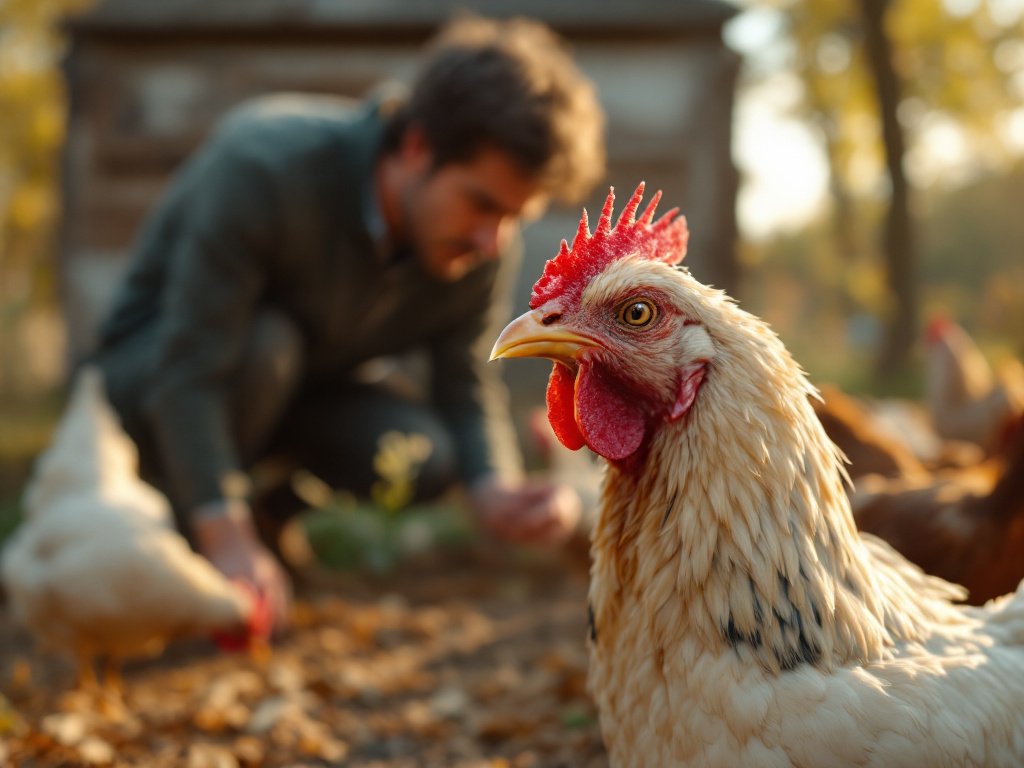
Sometimes sneezing is harmless—a quick reaction to a sudden puff of dust when chickens scratch bedding or peck feed. But chronic sneezing or sneezing that quickly spreads through your flock can indicate something deeper. Infections can creep up fast, especially in small or poorly-ventilated coops.
Understanding your flock’s normal behavior and coop environment is step one. If your chickens sneeze briefly during bedding changes but show no other signs, it’s likely dust irritation. If a hen seems to sneeze repeatedly, appears off-color, or you smell ammonia, act fast.
Want to learn more about proper coop design and how to reduce dust or drafts? Check out our guide to the best chicken coop for cold weather.
Chicken Respiratory Symptoms: What to Watch For
Sneezing is one piece of the puzzle. Spotting related chicken respiratory symptoms can help you decide if it’s just a dusty coop sneezing episode or true illness. Key symptoms to monitor:
- Labored or open-mouthed breathing: Any chicken breathing with its beak open or stretching neck to breathe is in distress.
- Nasal discharge: Wet nostrils or sticky crust around beak are red flags.
- Coughing, “snicks,” or “snuffles”: Subtle repeated sounds, not just loud coughs.
- Reduced appetite or drinking: Chickens stop eating when unwell.
- Puffed up or lethargic: Sick hens may hunch, fluff their feathers, and avoid the rest of the flock.
Chickens don’t catch human-style “colds.” As Dineachook notes, “Cold-like symptoms such as wheezing, coughing, sneezing and trouble breathing should not be taken lightly: unlike humans, chickens do not suffer from colds or flus, so respiratory symptoms are usually the sign of something much more serious!” (source)
If you want to catch illness before it spreads or becomes serious, make it a habit to check for these warning signs daily. Need more help recognizing a sick chicken? Visit our complete guide: how to tell if a chicken is sick.
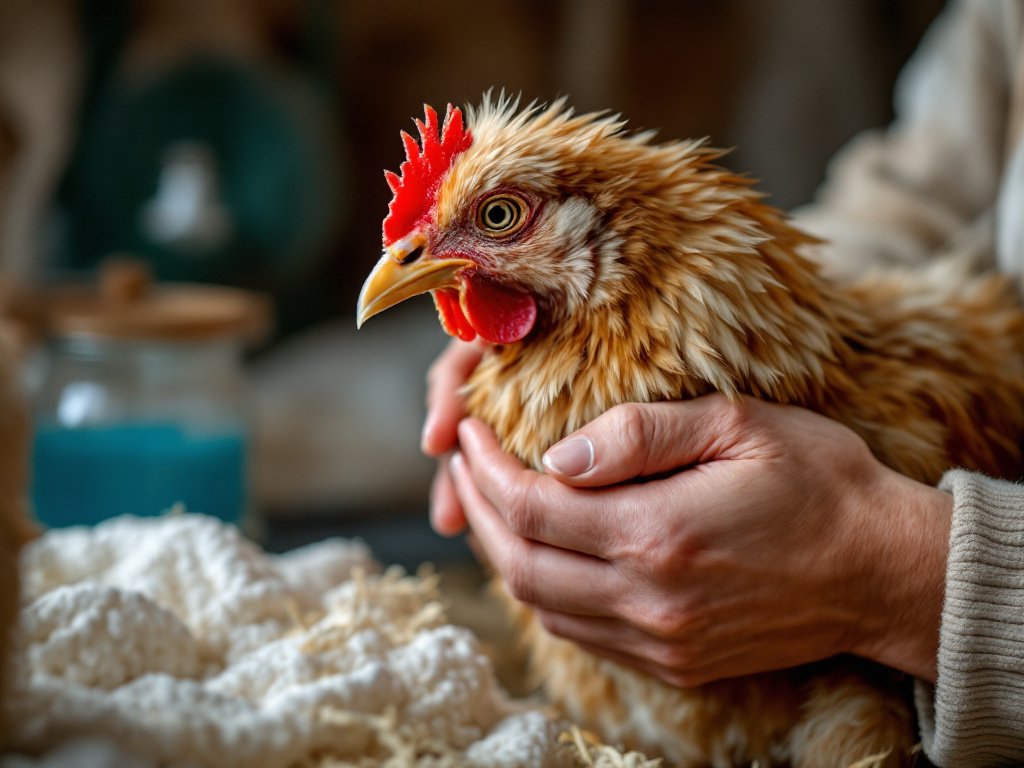
If symptoms show up after changing bedding or during dry spells, “dusty coop sneezing” is likely. But if you hear coughing or see snot, it’s time to look deeper. Worsening symptoms mean infection or more serious environmental issues are brewing.
To limit stress on your birds (which increases illness risk), try offering extra protein and vitamins during seasonal changes. Our review of the best poultry vitamins and electrolytes explains how to boost flock resilience affordably.
If illness does hit and you need to isolate a bird, quick access to a safe, warm spot is critical. See our chick brooder setup essentials for brooder box tips that work for sick hens too.
When to Worry About Sneezing and When It’s Harmless
Not every sneeze needs panic—or a vet bill. Here’s how to decide:
| Scenario | Likely Harmless? | When to Act |
|---|---|---|
| Sneezing only during bedding changes, no other symptoms | Yes | Monitor, improve dust control |
| Sneezing plus nasal discharge, lethargy, or loss of appetite | No | Isolate bird, consider vet consult |
| Sneezing spreading rapidly in flock | No | Assess ventilation/cleaning, seek advice |
| Sneezing resolved in 1–2 days | Usually Yes | Continue observation |
| Sneezing persists beyond a week, worsens, or includes breathing issues | No | Vet recommended, possible antibiotics |
According to MSPCA-Angell: “Diagnostics are often not necessary as infections tend to be self-limiting and resolve within 7–10 days. Treatment with tetracycline antibiotics may reduce duration of symptoms by half.”
Key tip: If symptoms last longer than a week or you see yellow discharge, rattling breaths, or limp birds, treat it as a real respiratory infection. Some conditions improve without medication, but not all. Keeping detailed notes on which birds sneeze, when, and what else you observe can save you money and help a vet pinpoint the problem if needed.
Stuck dealing with ventilation or ammonia? See our guide on chicken coop ventilation for practical flock safety tips.
Diagnosing Sneezing in Chickens: Common Costs and Owner Pain Points
Getting to the bottom of constant sneezing may mean diagnostics like serology, PCR, or cultures—especially when multiple birds are affected or symptoms persist. However, most small-scale chicken owners face the same hurdles:
- Vet access: Many rural vets don’t specialize in poultry, so even finding a vet who sees chickens may be tricky.
- Diagnosis cost: Testing for respiratory diseases can be expensive; price varies widely by region and clinic.
- Treatment uncertainty: Over-the-counter antibiotics are less available, and self-diagnosing can risk misuse or missed serious illness.
- Flock biosecurity: Isolating sick birds, cleaning equipment, and not spreading infection become daily concerns during an outbreak.
Research shows that “Owners repeatedly express concerns about needing a vet’s help, the expense of testing and treatment, and limited access to poultry‑specialized veterinarians.” (source)
If you do need diagnostics, expect the process to involve:
- Physical exam and flock history
- Sampling (swabs or blood for lab testing, as needed)
- Waiting for lab results, with supportive care in the meantime
Treatment may include isolation, supportive care (warmth, fluids, vitamins), and prescription antibiotics if a bacterial infection is diagnosed.
For many owners, prevention is less stressful (and cheaper) than treatment. Upgrading to a low-dust bedding or ensuring a no-waste feeder are small changes with big impact.

Worried about cost or time? Many keepers find it helpful to keep a basic chicken first aid kit on hand for small issues, so you don’t scramble in an emergency.
Preventing Respiratory Symptoms: How to Keep Your Flock Healthy
Most respiratory problems start with dust, ammonia, overcrowding, or unclean conditions. Keep your flock healthy with these practical steps:
- Ventilation: Ensure fresh air moves through the coop without chilling birds. Even in winter, stagnant air builds up ammonia and dust.
- Low-dust bedding: Use clean, dust-controlled bedding. Avoid hay or straw that’s moldy or breaks down easily.
- Regular coop cleaning: Scoop droppings frequently, and deep clean bedding when odors spike. Our chicken coop cleaning guide makes it simple.
- Reduce stress: Minimize overcrowding, abrupt feed changes, or predator scares; stress weakens immunity and opens the door to illness.
- Monitor for pests: Check for mites or lice during routine health checks.
As MSPCA-Angell reminds, “Ensuring optimum environmental conditions is most important during this time.” (source)
Well-chosen coop accessories—like an automatic chicken coop door to reduce overnight stress—improve flock stability, too.
A few minutes spent daily on clean bedding, ventilation checks, and close bird observation is your best defense against persistent sneezing and costly callouts.
Conclusion
While chicken sneezing can have harmless causes, it’s sometimes the first warning of bigger flock health issues. By learning to quickly spot the difference, keeping your coop well-ventilated and clean, and knowing when to act (and when to wait), you’ll stay ahead of most problems.
If you’re still asking, “Why is my chicken sneezing?” after reading this, take a hard look at coop dust, ammonia, and daily flock health. The faster you act, the better for both your birds and your peace of mind. If in doubt, seek local poultry advice or a qualified vet. Want to protect your girls long-term? Start with better air and cleaner bedding—and bookmark our tips for the next sneezing scare.
Ready to upgrade your coop for fresh air and easier cleaning? Explore our best chicken coop for 6 chickens guide for solutions that save you money and stress, season after season.
FAQ
Can chickens get a cold from humans?
No. Chickens do not catch human colds or flu. Respiratory symptoms in chickens usually relate to infection or environmental problems, not human viruses.
Is one sneeze anything to worry about?
Usually not. Chickens may sneeze occasionally due to dust. Only sustained sneezing or sneezing with other symptoms is a concern.
What home remedies help with mild, dust-related sneezing?
Improve coop ventilation, switch to low-dust bedding, use low-dust bedding and reduce dust at its source, and regularly clean droppings to reduce ammonia buildup.
Should I separate a sneezing chicken from the flock?
If the sneezing is frequent or you see other signs of illness, isolation is a smart precaution. For mild, dust-caused sneezing with no other symptoms, separation usually isn’t needed.
When should I call a vet for chicken sneezing?
Seek a vet if sneezing is prolonged, spreads rapidly, or comes with nasal discharge, open-mouth breathing, lethargy, or loss of appetite. If symptoms persist, worsen, or include signs of breathing difficulty, seek veterinary advice; the appropriate timing and need for diagnosis depend on the bird’s condition and suspected cause.
—