
As an Amazon Associate we earn from qualifying purchases. This article contains affiliate links; we may earn a small commission at no extra cost to you.
Signs chickens have worms can be easy to miss until your flock’s health or egg supply takes a major hit. Knowing what symptoms to look for, what tests really cost, and the real-world steps to get your backyard layers healthy again is the difference between a quick fix and ongoing frustration.
Key Takeaways
- Spotting the right chicken worm symptoms early lets you act before major egg loss or illness strikes.
- Fecal float testing by a vet is the best way to confirm worms in chicken poop and guide smart treatment—guesswork can cost you unnecessary egg withdrawal money and time.
- Egg withdrawal periods and recurring infections are real pain points—understanding timelines, cost, and alternatives helps you break the cycle.
- How to Spot Signs Chickens Have Worms
- Diagnosing Worms in Chickens: What Testing Really Involves
- The True Cost & Timeline of Deworming: What to Expect
- Three Pain Points Flock Owners Face (And What Fixes Them)
- Preventive Deworming: Finding the Right Schedule for Your Flock
- Conclusion
- FAQ
How to Spot Signs Chickens Have Worms
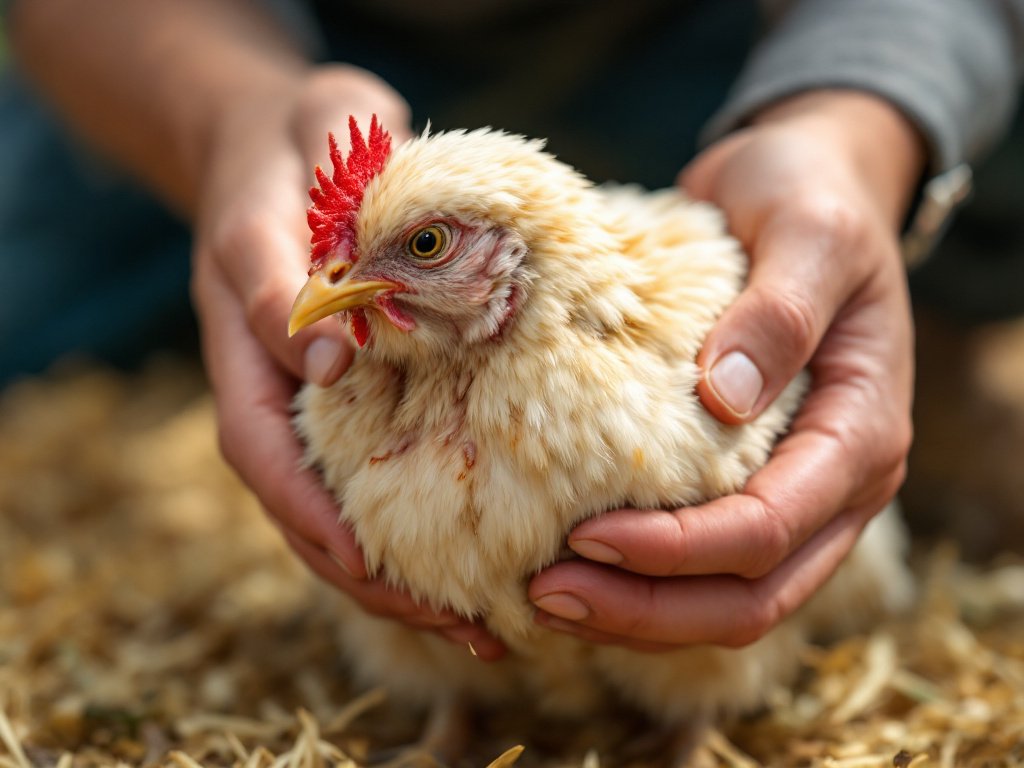
Failing to catch worm infestations early can mean heavy worm loads impact your flock’s health and egg basket fast. So, what are the unmistakable chicken worm symptoms? Watch for:
- Weight loss or thin, bony breast
- Pale combs and wattles (should be bright red in healthy hens)
- Persistent diarrhea or pasty vents
- Sudden drop in egg laying, especially in spring or late summer
- Lethargy, standing fluffed up, or isolating from other chickens
- Visible worms in chicken poop—these look like tiny spaghetti threads or rice grains and mean a heavy worm burden
Act fast if you see visible worms, persistent diarrhea, or a pale comb that does not resolve with normal diet. These heavy load signs (quoted by AvianVets.org) mean it’s time for urgent testing or treatment. See a more complete chicken worm symptoms list here.
Remember—a healthy laying hen typically carries a small number of worms without harm. Routine deworming is not needed unless symptoms appear or a fecal float test confirms worms in chicken poop.
Diagnosing Worms in Chickens: What Testing Really Involves
Jumping straight to deworming at the first sign of illness is tempting—especially with so much conflicting online advice. But guessing can cause resistance, wasted eggs, and wasted cash. Here’s what you actually need to know:
- Fecal float tests can help confirm worm eggs in droppings, but a negative result does not rule out worms and the species usually cannot be identified this way.
- You’ll need a veterinary exam (usually $90–$250) plus the test itself (another $250–$1,500+, especially if labs are involved). SpectrumCare
- Most backyard vets can check droppings for common worm eggs and recommend a chicken-specific dewormer.
When to skip straight to deworming? Only when you see visible worms in poop and classic loss-of-weight symptoms together—otherwise confirm first! Many recurring worm outbreaks are from treating the wrong issue (like coccidiosis or unhealthy bedding), not actual worms.
The True Cost & Timeline of Deworming: What to Expect
Treating a confirmed worm problem means wrestling with real costs and frustrating timelines. Here is the bottom line:
- Veterinary fees: Exam + testing = $90–$1,500 depending on region and complexity.
- Medication cost: Dewormers like Valbazen or Safeguard are given by weight. Dosing depends on the product and its concentration; have your veterinarian determine the dose. Read dosing guidance.
- Egg withdrawal period: Most chemical wormers require 7–17 days with no egg use. Products like Valbazen or Safeguard = 11–14 or 14 days withdrawal (see Buff Clucks guide).
- No-withdrawal options: Herbal or plant-based products are not established substitutes for proven deworming treatment; check product directions and consult a veterinarian about egg use.—practical for off-peak laying times or small families relying on egg harvest.
| Treatment Type | Typical Cost | Egg Withdrawal? | Timeline |
|---|---|---|---|
| Valbazen or Safeguard (chemical) | $25–$70 per course + vet | Yes, 11–14 days | Treat 1–2 days, then wait out withdrawal |
| Herbal (garlic, pumpkin, blends) | $10–$25 per flock | No | May require repeat use; less reliable in heavy loads |
| Fecal float + vet guidance | $90–$1,500 (total) | Depends on drug used | 1–3 days diagnosis delay |
During egg withdrawal, plan for what to do with eggs—discard, cook for pets, or mark for non-food use. Many owners find this the most painful part, especially with prolific layers.
Want to reduce cost and stress long term? Setting up draft-free winter coops and waste-reducing feeders supports daily flock health and makes parasites less likely. Check out the best chicken dewormers for more pro/cons on each product type.
Three Pain Points Flock Owners Face (And What Fixes Them)
Backyard chicken keepers repeatedly report three real-world frustrations with deworming and parasite management:
- Misdiagnosis after guessing and treating for worms without a confirmed float—often wastes money and leads to no improvement.
- Persistent or resistant infections, especially when using ivermectin (which is less effective for poultry now) or repeating the same product over and over.
- Egg loss during the withdrawal period, hitting egg-dependent households or small flocks hard.
How can you fix these recurring headaches?
- Always request a vet-confirmed fecal float before treating, unless you spot obvious worms in chicken poop alongside severe symptoms.
- Ask your vet about rotating drug classes—sticking to just one (e.g., ivermectin) risks fostering resistance in your yard. See more tips on AvianVets’ deworming schedule guidance.
- Time treatment during low-laying months (late fall or winter) to minimize egg withdrawal impact. Or opt for plant-based dewormers if you can’t forfeit eggs.
- Improve everyday coop hygiene and avoid overcrowding—this lowers reinfection rates and keeps worm loads manageable.
For repeat troubles, consider adding deep bedding or a heated chicken waterer to keep droppings and moisture in check over the winter months.

Preventive Deworming: Finding the Right Schedule for Your Flock
Setting a smart deworming schedule means focusing on real need, not guesswork or routine dosing. Here’s how to handle prevention like a pro:
- Monitor chicken worm symptoms and flock health closely—look for early behavior changes, drop in eggs, and comb color.
- Do not over-treat: Only use chemical dewormers for confirmed cases (fecal test chickens recommended) or if classic heavy-load symptoms stack up at once.
- Seasonal timing matters: Deworming in spring/fall aligns with increased worm risk as birds forage more, but do not do it “just because.”
- Boost seasonal nutrition and coop management—healthy, well-fed birds fight worms better. See Buff Clucks’ explanation why nutrition can do more than constant chemical cycles.
- Routine chemical use can create resistance and unnecessary egg loss—track signs and test your flock, don’t just rely on the calendar.
- Plan ahead for winter and predator safety with upgrades like an automatic chicken coop door and covered runs. Less stress = less worm trouble.
Curious if natural solutions work? Some flock owners use diatomaceous earth, garlic, or pumpkin seeds. While studies are mixed, these are safe to try when flock risk is low or during withdrawal downtime. But don’t skip proper treatment if you confirm a large worm load.
Better biosecurity and less standing water in the coop area also cut parasite spread—see how to fix a muddy chicken run for drainage tricks that truly work.
Conclusion
Spotting the signs chickens have worms early and acting with verified steps saves you eggs, money, and flock health. Skip the guesswork—follow symptoms, confirm with fecal test chickens, and only deworm when truly needed. This direct approach fixes frustration and keeps your layers productive year-round.
For more hands-on advice, check out our best chicken dewormer for layers guide—or upgrade your flock’s health with smarter nesting boxes for chickens and proven layer feed strategies. Take action today and protect your poultry investment for the long run.
FAQ
How do you know if your chickens have worms?
The main chicken worm symptoms include weight loss, pale combs, persistent diarrhea, drop in egg laying, and sometimes visible worms in chicken poop. If you see several symptoms at once or if you notice visible worms, act quickly and consult your vet for a fecal test to confirm.
Is it safe to eat eggs after deworming chickens?
Most chemical dewormers require a mandatory egg withdrawal period, usually 11–14 days. During this time, eggs from treated chickens should not be eaten. Herbal and plant-based dewormers typically have no withdrawal period, but always check the product label or consult your vet.
Can I treat for worms without a fecal test?
It’s best to confirm with a fecal float test before treating, except when there are visible worms plus severe symptoms. Treating blindly increases the risk of resistance and wastes eggs during needless withdrawal periods.
How often should I deworm my chicken flock?
Do not set a rigid deworming schedule. Instead, monitor for signs chickens have worms and test as needed. Over-treatment can result in drug resistance and extra costs. Focus on flock health, good nutrition, and only deworm for confirmed infestations or classic symptoms.
What are the best ways to prevent chicken worms naturally?
Maintain clean, dry coops, feed a balanced, seasonal diet, and avoid overcrowding. Consider natural supplements like garlic or pumpkin seeds in feed during risk seasons, but use proven medication for heavy or confirmed infestations.