
As an Amazon Associate we earn from qualifying purchases. This article contains affiliate links; we may earn a small commission at no extra cost to you.
Best budget chicken coop solutions are a huge concern for first-time chicken keepers who want safety, durability, real value, and a hassle-free backyard flock—without blowing through a tight budget. If you’re aiming for real predator protection, easy cleaning, and a setup under $500, this guide cuts through vague promises to show exactly what works, what doesn’t, and how to avoid the biggest buyer regrets.
Key Takeaways
- Most budget chicken coops under $500 house 3-8 birds and require smart material choices like pressure-treated pine, plywood, or metal frames for basic durability and security.
- Common failures with cheap chicken coop kits involve flimsy wood, weak wire, bad layouts, and vague assembly—learn to spot and solve these issues before buying.
- Real value comes from reinforcing predator resistance, understanding run design, and making a few essential low-cost upgrades that save headaches later on.
- What Defines the Best Budget Chicken Coop?
- Pre-Made vs. DIY: Which Cheap Chicken Coop Kit Is Better?
- What Most Budget Coop Guides Miss (And How to Avoid Buyer Regret)
- Real Buyer Complaints About Budget Chicken Coops (and How to Fix Them)
- Top Picks: Affordable Starter Coops Under $500 (Examples & Performance)
- Quick Setup Tips & Smart Upgrades for Maximum Value
What Defines the Best Budget Chicken Coop?
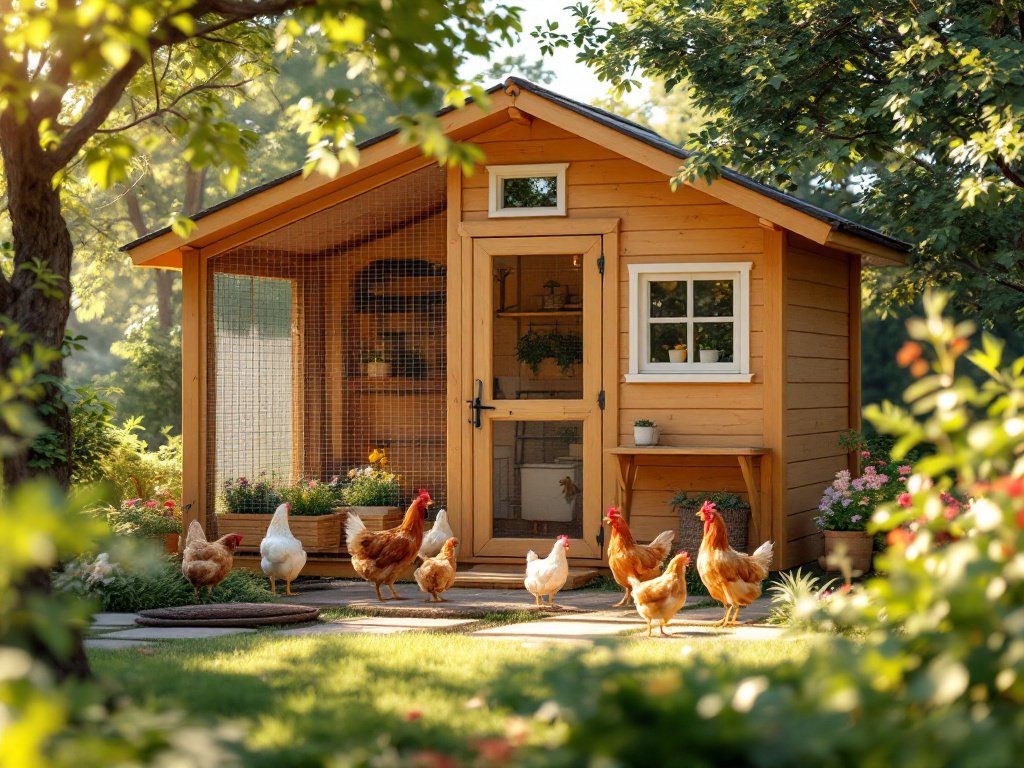
A real best budget chicken coop keeps your first flock happy and safe without risky compromises. For under $500, expect enough space for about 3-8 chickens in a main coop of at least 4 by 6 feet, and a run area of 10 square feet per bird—bigger is always better, but budget kits rarely go much larger. Walls made from pressure-treated pine or cheap plywood are common, while roofs use corrugated metal or plastic for basic weather resistance. Predator-proofing is non-negotiable: look for 1/2-inch hardware cloth or welded wire, not chicken wire, on any exposed panels or under the run floor.
Trade-offs at this range mean you’ll sacrifice thick lumber, advanced weatherproofing, integrated insulation, and lost-lasting fasteners. Most kits include basic nest boxes and a simple ramp, but advanced doors, auto windows, or heavy-duty locks are rare. Cushion your expectations by focusing on function over features, and be prepared to make a few small, smart upgrades.
Size and layout matter: avoid anything smaller than a 4×4-foot coop for flocks over three, and always allow for a minimum run area—ideally, you want at least a modest run or direct access to a secure chicken pen (see our guide to chicken run upgrades). Never settle for anything secured with chicken wire alone.
Pre-Made vs. DIY: Which Cheap Chicken Coop Kit Is Better?
Choosing between a cheap chicken coop kit and the DIY route depends on your comfort with tools and your appetite for assembly. Pre-made kits like the Aivituvin AIR66 (for 3-4 hens, fold-flat, price varies) or Luohe Oufa folding coop (4-6 hens, easy snap-together, $50-150) let you skip the planning and reduce build time. Almost all advertise two-person setup in 30 to 90 minutes. Metal frame options from brands in Australia hover around A$300 to A$600 (about US $210-$420) and include extras like galvanized steel, lockable doors, and optional wheels for easier cleaning and moving (source).
On the other hand, building your own small coop from repurposed or local-sourced lumber can cut costs even further, especially if you’re flexible on looks. However, don’t underestimate the extra time and effort of sourcing materials, accurate cuts, and fitting doors—mistakes here often wipe out your savings. By combining a basic kit and a few DIY upgrades (like additional mesh for the run or a homemade roost), you often get the best performance per dollar without risking a total build failure.

Feature sets for cheap kits are lean: expect a single door, basic ramp, one or two nest boxes, but rarely a large walk-in space or upgraded latches. External supplier coops like those from Alibaba or Amazon can offer low prices, but quality varies—user reviews reveal that some wooden kits arrive with thin panels that warp or crack quickly if left untreated (see more here).
If you want a low-risk first try, start with a pre-made kit but budget $50-$100 for fasteners, mesh, and sealant upgrades to get true peace of mind.
What Most Budget Coop Guides Miss (And How to Avoid Buyer Regret)
Most “best budget chicken coop” articles pull kits from online listings and call it good. But critical buyer frustrations are often left out—especially regarding strength, security, and run usability. Here’s where most guides let you down—and how you can win:
- No Real Durability Testing: Kits rarely undergo independent exposure or load testing. Rain, wind, and the actual weight of roosting hens quickly reveal the difference between solid and flimsy construction. After assembly, always test load joints by gently leaning or sitting on the roof and ramp (with care), and examine for flex or cracking. Apply a quality exterior wood sealant before first use.
- Weak Predator-Proofing: Many cheap kits rely on chicken wire or staple-gunned mesh that predators can bite or dig through. For a truly affordable coop under 500, invest in 1-inch hardware cloth, bury it a few inches under every run wall, and double-layer at corners. For more tips, see our predator proof chicken coop guide.
- Poor Run Design & Drainage: Generic run size suggestions overlook layout, slope, and shade. A rectangular run of 5×8 feet (for 5-6 hens) works for small yards, but always slope the ground away from the coop and add a strip of gravel or sand at the doorway. See better run designs in our muddy chicken run fix guide.
Unfortunately, many kits lack detailed diagrams or layout suggestions. Use a basic free tool or pencil sketch to plan the run’s size, sun exposure, and drainage pattern before you commit.
Real Buyer Complaints About Budget Chicken Coops (and How to Fix Them)
Most real user complaints with affordable coop under 500 deals center on:
- Flimsy Wood or Thin Wire: Predators can pry or gnaw through undersized panels. Fix: Add 1-inch hardware cloth (never chicken wire) and reinforce using fencing staples or deck screws at every join. For critical predator tips, visit our hardware cloth guide.
- Weak Door or Ramp Hinges: Many starter coop kits ship with tiny hinges that sag or fail. Fix: Replace with door hinges from your hardware store—a $5 upgrade you’ll never regret.
- Poor Ventilation: Small vents quickly clog and trap moisture, which leads to disease. Fix: Drill extra 2-inch vent holes up high, and cover with hardware cloth. See our full ventilation guide.
- Confusing Assembly Instructions: Incomplete or poorly labeled parts are common. Fix: Watch YouTube reviews of your specific kit before starting, and keep a power screwdriver handy.
These cheap chicken coop kit “gotchas” are easy to fix with an extra hour and about $25 in hardware or mesh. For ongoing maintenance, review our coop cleaning guide for step-by-step upkeep.
Top Picks: Affordable Starter Coops Under $500 (Examples & Performance)
Below are actual models from reliable vendors sourced in current research. Use this as a starting point—and remember, kit specs and prices shift often, so always check for updated owner reviews.
| Model | Capacity | Materials | Key Features | Price (Range) | Assembly Estimate |
|---|---|---|---|---|---|
| Aivituvin AIR66 | 3-4 hens | Wood, hardware cloth, plastic roof | Fold-flat, portable, basic run, nest box | $49.99 | 2 people, 30-60 min |
| Luohe Oufa Folding Coop | 4-6 hens | Wood or plywood, hardware cloth | Snap-together, CE-certified, nest box | $50-150 | 2 people, 30-60 min |
| Aussie Metal Frame Models | 4-8 hens | Galvanized steel, welded wire | Lockable doors, optional wheels | A$300-600 (~US $210-420) | 2 people, 45-90 min |
Most options require some fastener upgrades and routine repainting or sealant for year-round use. See this external review and this buyer’s advice article for additional examples and up-to-date performance ratings.
If you plan to expand your flock or want to scale up later, it’s often better to buy a slightly oversized model and reinforce it upfront—see our guide to chicken coop space requirements for key planning details.
Quick Setup Tips & Smart Upgrades for Maximum Value
- Lay a level gravel base or pavers under the coop and run for better drainage and stability—prevents sagging and muddy floors.
- Bury 1-inch hardware cloth or welded wire at least 4 inches deep along all run and coop edges to block digging predators.
- Add extra ventilation up high with 2-inch holes and protect with more hardware cloth for cross-vent flow. This is especially critical if you’re in humid or cold climates—see more cold-weather coop tips.
- Upgrade every critical hinge and latch to stainless or zinc, and lock with a carabiner or padlock if raccoons or stray dogs are a risk.
- Seal all exterior wood before first rain: exterior-grade paint or animal-safe sealant extends the kit’s life dramatically. Browse safe paint advice here.
- Review and print the assembly guide before starting. Mark each part with tape if labels are confusing.
- Consider adding a simple automatic door—see our best coop door opener guide—for predator security and less daily stress.
- Attach a tarp, shade cloth, or solid run cover for summer relief (more on that in our chicken run cover guide).
- Install a small dust bath tray or box in a dry sheltered corner—happy hens = healthier eggs (learn more).

Conclusion
Finding the best budget chicken coop under $500 is 100% realistic if you know exactly what minimal specs, hidden flaws, and upgrade tricks to look for—or fix. Never rely on marketing photos alone; focus on build quality, ventilation, predator-proofing, and plan for simple improvements. Whether you go with a cheap chicken coop kit or a basic DIY build, smart buyers avoid most regrets by adding just a few tactical reinforcements. Ready to get started? Read more upgrade guides, compare the latest models, and level up your new backyard flock today.
FAQ
How many chickens can I keep in a budget coop under $500?
Most kits and builds at this price support 3-8 chickens, with a minimum 4×6 foot coop and 8 square feet of run per bird. Crowding leads to stress and reduced egg output—never try to overfill.
Is DIY cheaper than a pre-made cheap chicken coop kit?
It can be, if you have scrap or local lumber on hand and basic tools. However, DIY coops take more time and risk mistakes. Many first-timers save hassle with an affordable kit, but then invest in upgrades for longevity and safety.
What’s the best way to predator-proof a cheap coop?
Use 1-inch hardware cloth (never chicken wire) on all openings, bury the mesh about 12 inches deep around the run, and reinforce doors and latches with extra fasteners or padlocks. For more, see our in-depth predator proof chicken coop guide.
How do I improve coop ventilation in a budget model?
Drill extra 2-inch holes under the eaves or up high and cover from the inside with hardware cloth to stop pests. Good airflow is as critical as insulation for healthy, dry hens year-round.
Do cheap chicken coop kits last in harsh weather?
Most will show wear after a year or two, especially if untreated wood is exposed. Upgrading with weatherproof paint, roof caulking, and checking fit after storms goes a long way. Galvanized metal models usually last longer but offer less insulation in extreme cold or heat.