
As an Amazon Associate we earn from qualifying purchases. This article contains affiliate links; we may earn a small commission at no extra cost to you.
Best chicken coop for 12 chickens is a question nearly every expanding backyard flock owner faces—and get wrong if they rely on outdated advice or “tiny home” prefab models marketed for big flocks. When your flock hits this size, the stakes (and problems) jump: cramped birds, messy bedding, break-ins, and endless cleaning battles. This guide cuts through the noise with real data, owner complaints, and pro-level solutions focused on a reliable, easy-to-clean, and predator-proof 12 hen coop that works every season.
Key Takeaways
- For 12 chickens, you need at least 24 sq ft inside the coop and 120 sq ft in the run, built with tough materials and smart layout.
- Top owner complaints—like overcrowding, poor ventilation, fragile wire, and cleaning hassles—are best solved by walk-in, kit or custom coops with full doors and predator-proofing.
- Most guides skip over crucial factors: humidity management, auto-door backups, and flock size/mix adjustments—all of which impact your coop’s success.
- What to Look for in the Best Chicken Coop for 12 Chickens
- Comparing Popular Large Chicken Coop Models
- Top 5 Owner Complaints—and How to Fix Them
- Three Surprising Topics Most Coop Guides Miss
- Our Pick: The Best Walk-In Chicken Coop for a Large Flock
- Assembly, Delivery, and What to Expect
- FAQ
What to Look for in the Best Chicken Coop for 12 Chickens
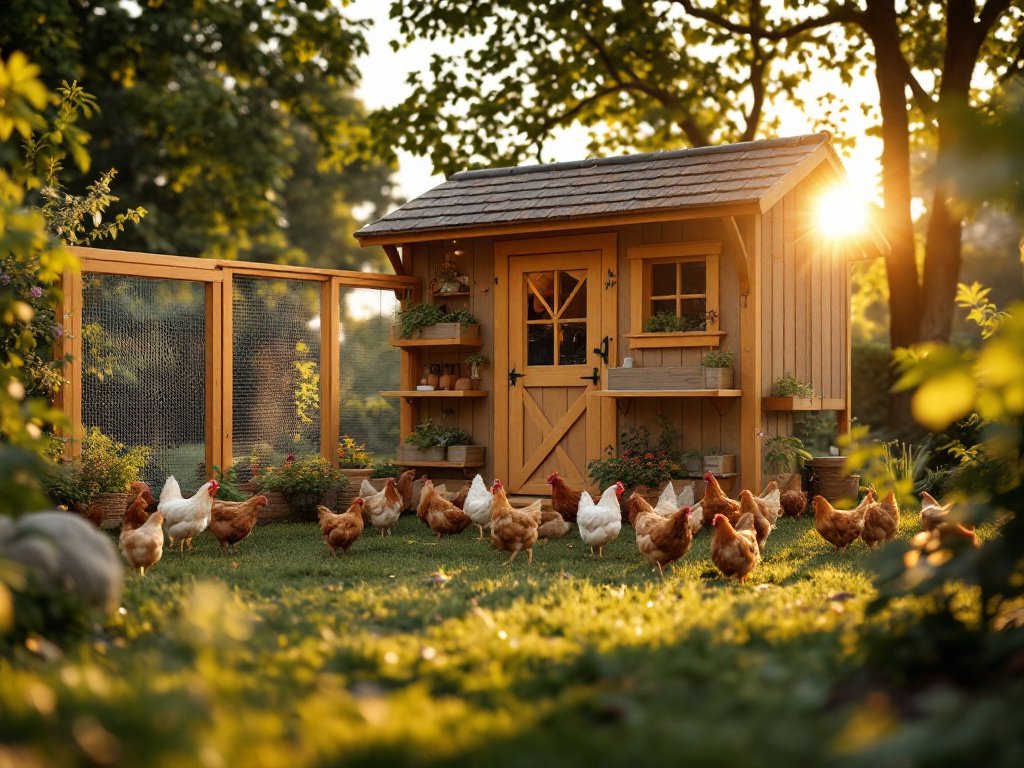
A large flock needs more than just extra floor space. The best chicken coop for 12 chickens provides at least 4 square feet per bird inside the coop (48 sq ft total) and a minimum of 10 square feet per chicken in the run (120 sq ft total). Look for solid construction—16-gauge welded wire and thick Western Red Cedar are industry benchmarks—plus walk-in doors, integrated predator barriers, and a well-planned interior. For the classic 12 hen coop, you also need 8–10 inches of roost bar per bird, spaced higher than the nesting boxes, and at least 3 nesting boxes, with 3–4 often used for a flock this size. Prioritize easy access for cleaning and ventilation to avoid health risks.
Comparing Popular Large Chicken Coop Models
Let’s break down how popular large chicken coop and walk in chicken coop kits compare when scaled for a flock of a dozen. Most premium models feature full walk-in height, strong mesh, generous perches, and lifetime-grade wood. But price, delivery, and assembly vary widely:
| Model / Brand | Dimensions (Coop + Run) | Materials | Predator Protection | Warranty | Price Range | Delivery / Assembly |
|---|---|---|---|---|---|---|
| Roost & Root Walk-In Coop (source) | ~48 sq ft (coop) + 120 sq ft (run) | Western Red Cedar, 16-gauge wire | Welded wire, buried skirt, secure latches | Varies by manufacturer and model | Price varies widely by size, materials, and options | 2–12 weeks, kit/self-assemble or delivered |
| Amish Combination Coop (source) | Customizable; generally 50–60+ sq ft (coop) + large run | Cedar/pine, metal roof, wire mesh | Deep run, walk-in doors, apron/fencing | Varies (Varies by manufacturer and model) | Higher, based on customization | Up to 12 weeks, assembled on-site |
| DIY Large Shed Coop | Varies, typically 50–80 sq ft inside with attached run | Buyer’s choice; often repurposed shed + hardware mesh | Depends on upgrades | N/A unless you opt for a kit | Can be lower if you DIY materials | 1–4 weeks, self-built |

These differences affect not only cost and wait time but also how long your coop will last, how safe your flock is, and how much cleaning work you’ll face week to week. Mid-tier models may save money up front but can have shorter warranties and weaker materials, which means more repairs—and potentially, losses down the road. For more tips, check out our chicken coop space requirements guide or this helpful overview on coop sizing.
Top 5 Owner Complaints—and How to Fix Them
When owners upgrade to a coop for big flock use, five main issues crop up again and again. Here’s what to watch for and how to sidestep these major pitfalls:
- Overcrowding: Many large coop models are over-rated on “maximum bird” capacity—leading to pecking, feather loss, and stressed-out birds. Solution: always provide at least 4 sq ft per bird inside and 10 sq ft per bird outside. See this detailed walk-through for real-world sizing stories.
- Poor Ventilation: Flimsy windows or a lack of ridge/roof vents means ammonia builds up fast, risking respiratory infections. Add multiple, predator-proofed vents at both high and low points; opt for walk-in designs with windows that can open (screened with wire).
- Weak Predator Protection: Many prefab “large chicken coop” kits use thin wire or softwood. Remedy: choose 16-gauge welded wire, bury wire aprons at least a foot deep, and upgrade all latches to predator-proof hardware. For more, read our predator proof chicken coop guide.
- Improper Nesting Box Count: Too many boxes waste space and foster egg-eating; too few cause stress and dirty eggs. Target 3–4 boxes for twelve hens—as shown in this assembly tips source.
- Difficult Cleaning Access: Tiny doors and awkward layouts make maintaining a healthy coop nearly impossible. Stick to walk-in designs with big swing-out doors or full-sized run access for hassle-free maintenance—see our best chicken run upgrades for more ideas.
Addressing these core complaints up front saves owners countless hours and flock health headaches—and is why nearly all top-rated 12 hen coop reviews prioritize walk-in, integrated run designs with tough wire and easy access.
Three Surprising Topics Most Coop Guides Miss
Nearly every large chicken coop guide skips a few critical issues that only surface once you’ve lived with (and cleaned) a “big flock” setup through all four seasons:
- Year-Round Bedding & Humidity Management: Chicken bedding, from straw to pine shavings or industrial sand, is prone to dampness and ammonia buildup with a large flock. Install multiple vents, use deep-litter management, and add covered run areas to manage moisture. For deep litter details, see our bedding guide.
- Automated Door Reliability & Backup Power: With more birds comes more risk if an automatic coop door jams or loses power. A simple battery or solar backup gives peace of mind for winter and vacations. Find the best automatic coop door here.
- Flock Composition Effects: Mixing bantams and full-size birds changes roost bar and per-bird floor needs; aggressive breeds might need more “personal space” than docile ones. Be conservative when choosing your final run and roost dimensions.
For more in-depth advice, think about how these factors affect winter care (cold-weather coops), feeding (no-waste feeders), and waterers (heated waterer guide).
Our Pick: The Best Walk-In Chicken Coop for a Large Flock
After comparing materials, user reviews, and hands-on owner reports, a well-built walk in chicken coop with full walk-in height and a fully integrated run stands out as the best chicken coop for 12 chickens. Whether you buy a Roost & Root, an Amish custom build, or retrofit a walk-in shed, prioritize:
- 48 sq ft or more of interior floor space; at least 120 sq ft in a covered or netted run.
- 16-gauge welded wire on every side (including buried skirt under the run).
- At least two large access doors—one for walk-in cleaning, one to the run.
- Roof and window ventilation, plus protected vents along the eaves.
- 3–4 elevated nesting boxes, generous roost bars (inches per bird per recommendations).
- Optional: solar or battery backup for auto doors, rain gutters, and built-in predator apron.
Walk-in units not only make cleaning and egg gathering simple, but also help mitigate overcrowding and ventilation issues. Kits offer faster assembly (2–4 weeks) while custom builds can take 8–12 weeks, but fit exact site and style needs. If you want to see some successful templates and tips for DIYers, explore this chicken coop management resource and our rundown of best nesting boxes.

Assembly, Delivery, and What to Expect
Delivery, assembly, and “hidden headaches” are major decision points with any large chicken coop project. Here’s what to expect for a 12 hen coop:
- Prebuilt Kits: Deliver in about 2–4 weeks, with step-by-step instructions—assembly often takes a weekend with two people. Site prep (leveling, adding gravel, predator apron) can add a day or two. Most models can be assembled with basic tools. See real-world timeline in this small flock build tutorial.
- Custom/Amish Builds: Delivery and on-site build can take 8–12 weeks. Pros handle foundation and final setup. Expect to pay for delivery distance and labor but get a made-to-fit result.
- DIY Shed Upgrades: Faster if the structure is already present (shed conversion plus hardware cloth and run can be finished over 1–2 weekends), but all predator-proofing and interior optimization is your responsibility. Hidden costs: site prep, hauling, and labor hours.
It’s always worth confirming current delivery wait times with the supplier, especially during peak spring and early summer demand. Be sure to budget for bedding, feeders, and accessories—see our must-have coop accessories list.
Conclusion
Building or buying the best chicken coop for 12 chickens requires more than just upsizing a small flock design. Give your hens adequate space, choose walk-in layouts with tough materials, plan for season-long ventilation and cleaning, and anticipate the common pitfalls seen above. When in doubt, consult real owner reviews and trusted guides—your birds (and your future self) will thank you. Ready to start planning your flock’s upgrade? Compare our full reviews or get a free checklist to build your own reliable coop for big flock use today.
FAQ
How much space do 12 chickens need inside their coop?
Each chicken needs at least 4 square feet of floor space inside, so a 12 hen coop should be no smaller than 48 sq ft. Providing more space helps reduce stress and disease.
How many nesting boxes for 12 hens?
You only need 3–4 nesting boxes for twelve chickens. Chickens prefer to share a few cozy spots instead of having a box for each hen.
What’s the best material for predator-proofing a large chicken coop?
16-gauge welded wire is the gold standard for security. Burying a wire skirt at least a foot deep around the run also stops most digging predators.
Are walk-in chicken coops really worth it for a big flock?
Yes. Walk-in coops make cleaning, repairs, and egg collecting far easier—and help you spot health or maintenance issues sooner.
Can I convert a shed or outbuilding into a chicken coop for 12 hens?
Absolutely. Many owners successfully convert sheds into coops by adding hardware mesh, secure latches, vents, and a designated run. Just confirm your space meets or exceeds the 4 sq ft per hen guideline.