
As an Amazon Associate we earn from qualifying purchases. This article contains affiliate links; we may earn a small commission at no extra cost to you.
How long do chickens live? If you’ve ever started a backyard flock or are thinking about extending the productive life of your hens, understanding true chicken lifespan—and what really affects it—matters far more than most guides admit. This post goes way beyond breed lists, digging deep into practical steps, hidden expenses, and vital factors suburban and rural keepers should never ignore if you want healthy, long-lived hens.
Key Takeaways
- Backyard chicken lifespan ranges from 2 to 10 years, but hidden factors like climate, housing, and health monitoring can make or break flock longevity.
- Heritage breeds tend to live longer (up to 8–10 years) while high-production hybrids wear out early and often only reach 2–3 productive years.
- Ongoing costs for aging hens (vet visits, parasite treatments, coop upgrades) frequently catch owners off guard—careful planning and health tracking are essential.
- How Long Do Chickens Live?
- What Impacts Chicken Lifespan? (Factors You Must Know)
- Laying Lifespan vs. Overall Chicken Lifespan
- Common Owner Challenges That Cut Chicken Lifespan Short
- Costs of Caring for Chickens as They Age
- Extending Hen Life—Practical Tips Beyond the Basics
- Table: Chicken Lifespan & Laying Traits by Breed
- Frequently Asked Questions About Chicken Lifespan
How Long Do Chickens Live?
Backyard chickens typically live between five and ten years, but true chicken lifespan depends on much more than just the breed on the feed bag. Heritage and dual-purpose classics—such as Plymouth Rock, Sussex, Australorp, Cochin, and Silkie—often reach 8–10 years with good care. In contrast, high-production hybrids like the ISA Brown and other commercial layers often live about 2–5 years, though peak laying may be much shorter because the demands of relentless egg laying shorten their overall health span.
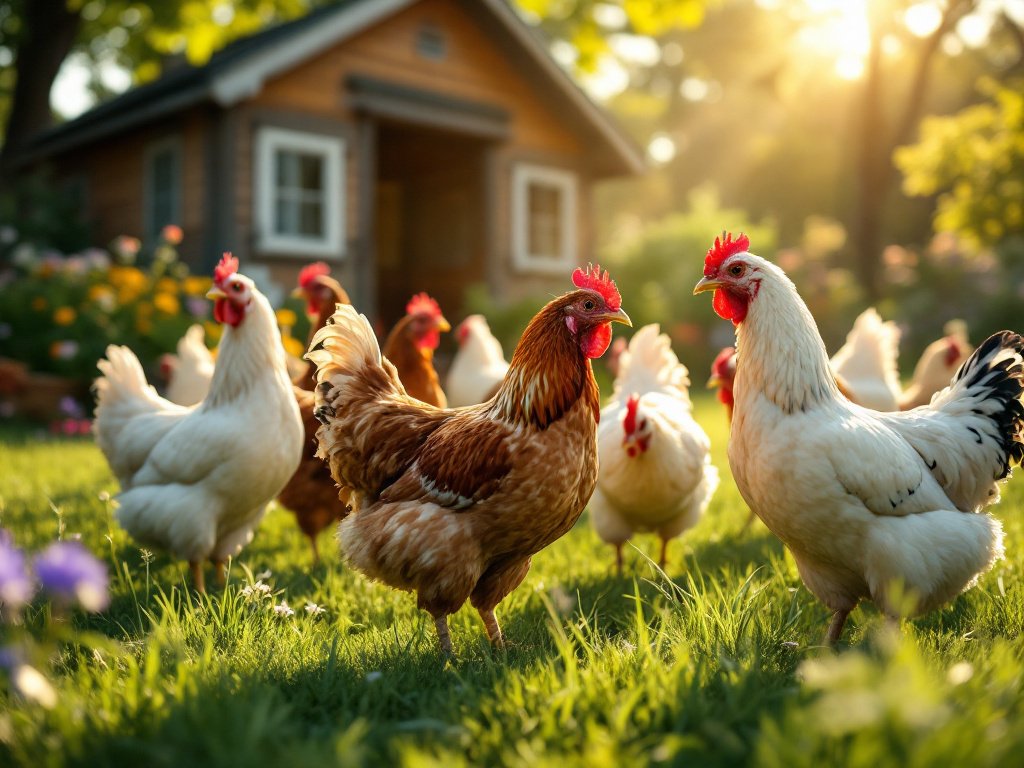
Factors like genetics, care, and environment define a chicken’s real-life expectancy. Yard birds given plenty of space, robust nutrition, and climate-appropriate housing can live well beyond what most guides promise. On the other hand, intensive laying, stress, drought or temperature extremes, and preventable illness dramatically cut chickens’ years short. Ultimately, knowing which breeds and management methods lead to long, healthy lives helps new and seasoned keepers alike avoid common pitfalls.
What Impacts Chicken Lifespan? (Factors You Must Know)
Real-world chicken lifespan hinges on many overlooked factors:
- Breed & Genetics: Some breeds are simply built tougher—heritage types and dual-purpose hens have lower metabolic stress, while commercial hybrids burn out fast due to rapid egg output.
- Climate Exposure: Unprotected chickens face heat stress, drafts, or dampness that can halve life expectancy. Cold-hardy breeds like Australorp and Plymouth Rock do best in brisk winters, while lighter Mediterranean breeds handle heat better. Upgrading your setup for climate resilience makes a major difference (winter chicken coop tips or hot weather breeds).
- Housing Quality: Poor ventilation, crowding, or thin fencing attracts disease and predators. Draft-free, secure, and easy-to-clean predator-proof coops with proper ventilation extend lifespan for all breeds.
- Health Management: Without regular parasite prevention (removing mites, lice, and worms), affordable vet care, and flock monitoring, even robust breeds decline early. Start record-keeping early and watch for red flags—droopy wings, sluggishness, weight loss, or lumpy feet can signal issues like bumblefoot or internal parasites (see source).
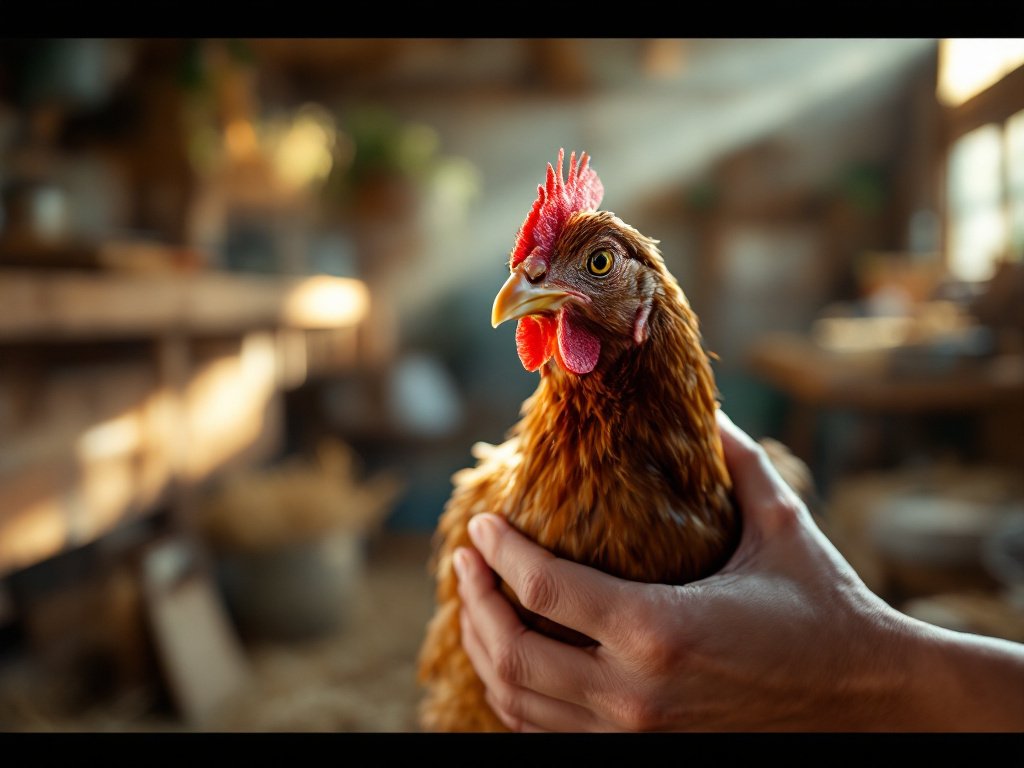
Hens start laying around 16–24 weeks old and often peak for the first 2 years. With excellent nutrition, secure shelter, and consistent light, many can stay healthy and “retired” at 6–7 years—or even longer. Stress, change, or neglect derails this, especially for high-output breeds.
Laying Lifespan vs. Overall Chicken Lifespan
Laying lifespan is not the same as total years alive. Most hens reach their highest egg production—often around 300 eggs a year for high-producing layers—during their first 1–2 laying years. By year 4, output usually drops, and by year 6 or 7, fewer older hens still lay on a regular schedule.
But healthy, non-laying hens remain wonderful flock members. With proper food, space, and shelter, they can thrive for years after egg-laying ends, especially within supportive small flocks. Letting retired hens live out their natural lives promotes a healthier flock dynamic and dramatically improves animal welfare. Most owners who monitor nutrition and flock health find their older birds live far beyond initial expectations.
Want to maximize both egg numbers and bird longevity? Rotate in younger pullets every few years and give healthy retired hens a vital role as flock leaders and pest controllers. Monitor the effects of lighting—Extended supplemental light cycles can extend productive laying but may also increase stress in some hens (see laying lifespan data).
For more on optimizing actual egg numbers per breed, check out our full best egg laying chicken breeds guide.
Common Owner Challenges That Cut Chicken Lifespan Short
Many backyard flocks encounter preventable threats that silently shorten chicken lifespan. Here are the most common—and what new owners often miss:
- Disease: Respiratory infections, heart failure (especially in large or meat breeds), egg binding, and bumblefoot dramatically lower survival unless spotted and treated early (see common health challenges).
- Parasites: Mites, lice, and worms flourish in unsanitized, damp, or crowded setups. Regular cleaning, proper bedding, and natural parasite control are musts.
- Predation: Even suburban neighborhoods are full of risk—hawks, foxes, raccoons, stray dogs, and snakes can decimate a flock overnight. Upgrade to hardware cloth and use well-reviewed fencing strategies.
- Heat & Nutrition Stress: Both underfeeding and improper diets (too much corn, not enough variety) weaken hens. Learn about layer feed choices and watch for overheating in summer (summer cooling guide).
| Pitfall | Warning Signs | Longevity Impact |
|---|---|---|
| Respiratory Disease | Sneezing, lethargy, nasal discharge | Significantly reduces total lifespan |
| Heat Stress | Panting, open wings, collapse | Acute risk, especially in older/hybrids |
| Predator Attack | Missing birds, feathers, injuries | Often sudden, flock-wide losses |
| Parasite Load | Scratching, pale combs, weight loss | Progressive decline without treatment |
To avoid these pitfalls, use flock health checklists and schedule regular deep cleaning days. Learn more about coop cleaning and maintenance.
Costs of Caring for Chickens as They Age
Many owners enjoy years with their backyard flock—until surprise costs appear. Here is what to anticipate as your hens get older:
- Veterinary Visits: Routine or emergency visits can range widely in cost. Treatments for bumblefoot, infections, or egg binding may mean extra trips.
- Parasite Treatments: Recurring purchases—dewormers, mite sprays, or special feed—add up for older birds more susceptible to infestations. parasite treatments
- Coop Upgrades: To support flock health as birds age, you’ll often want to invest in better insulation, extra coop bedding, or secure chicken run extensions.
- Specialty Feed & Supplements: Older hens may benefit from boosted protein (mealworms), calcium, or electrolytes—essential during molt or recovery.
Recurring costs will depend on local prices and the number of hens, but vet bills or major repairs (like adding predator-proof hardware cloth or ventilation fans) catch many keepers off guard. See our cost breakdown for raising chickens for more budgeting advice.
Don’t underestimate the hidden time investment, either. Monitoring and caring for old hens can add weekly chores, especially during hot or cold weather extremes.
Extending Hen Life—Practical Tips Beyond the Basics
Owners often do the basics—food, water, shelter—but a few specific steps make a major difference in extending hen life and increasing both total and laying lifespan:
- Monitor Flock Health Regularly: Use an app or simple notebook to record egg output, each bird’s weight, and any signs of illness. Early intervention stops small issues from spiraling.
- Rotate and Clean Bedding: Deep clean your coop and replace bedding for ventilation and parasite control (bedding ideas).
- Choose Climate-Proof Breeds: Select breeds built for your region’s summer highs or winter lows. Check out cold-hardy breeds here or hot weather breeds here.
- Invest in Predator-Proof Infrastructure: Upgrade your setup with hardware cloth, automatic doors, and secure fencing. Even a small breach is often catastrophic.
- Fine-Tune Nutrition: Adjust feed as hens age or enter molt. Layer crumbles and protein-boosted treats offer extra resilience. See our advice on layer feed and what to feed chickens during molt.
- Enrich Their Environment: Chicken toys, perches, dust baths, and foraging time keep older birds active—and less bored, which reduces picking and stress (see enrichment tips).
- Watch Light Cycles: Consistent daylight promotes steady laying, but overusing artificial light can reduce overall health for hybrids.
Three of the most overlooked ways owners can extend lifespan: honest cost planning, choosing breeds for your exact climate, and using record-keeping to spot illness fast. A proactive approach pays off with longer, happier flock years—and more eggs in the early years.
Table: Chicken Lifespan & Laying Traits by Breed
| Breed | Expected Lifespan | Peak Laying Years | Climate Suitability | Special Care Notes |
|---|---|---|---|---|
| Plymouth Rock | 8–10 years | 2–3 years | Cold hardy | Needs space, does well in cold |
| ISA Brown (hybrid) | 2–3 years | 1–2 years | Mild climates | Prone to burnout, monitor health closely |
| Silkie | 7–9 years | 2–3 years (moderate layers) | Mild climates | Flush foot feathers, avoid wet bedding |
| Cochin | 8–10 years | 2 years | Cold hardy | Large size, needs gentle handling |
| Australorp | 6–9 years | 2–3 years | Cold hardy | Docile, active foragers |
| Rhode Island Red | 5–8 years | 2 years | All climates | Tough, prolific layers |
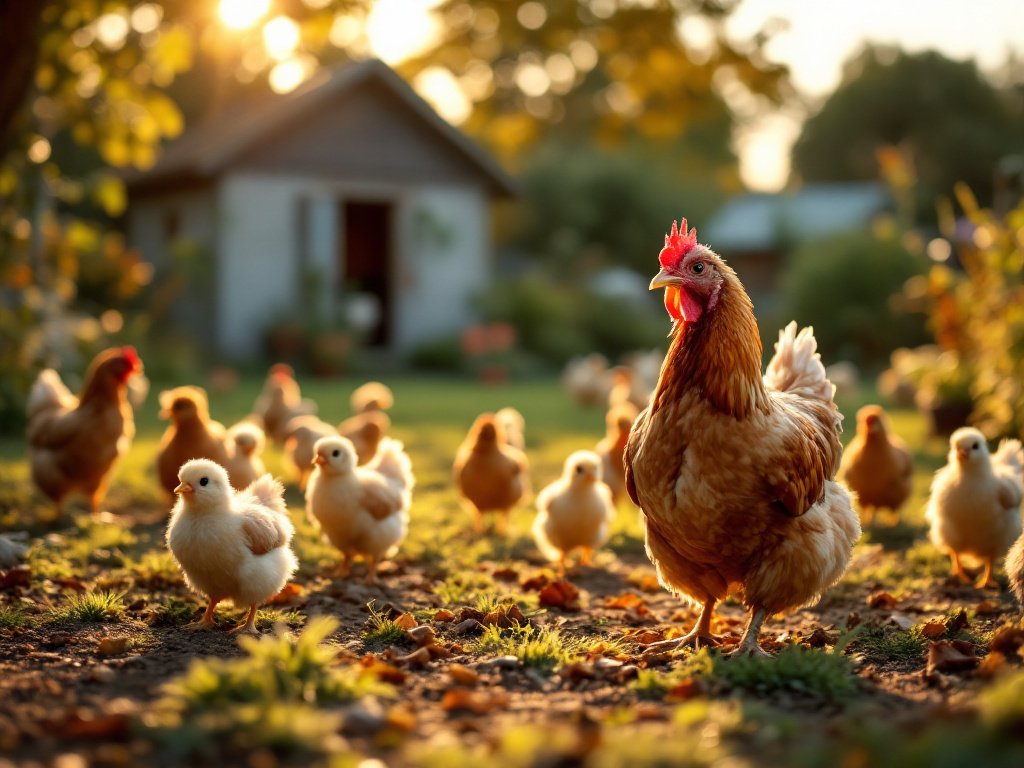
Choosing the right mix is essential for balancing egg output, pet temperament, and true longevity. For small yards or families, Silkies and Cochins live long, social lives, while production-focused flocks may prefer ISAs or Reds—with the trade-off of shorter overall lifespan.
Frequently Asked Questions About Chicken Lifespan
How can I help my hens live longer?
Focus on secure predator-proof housing, climate-appropriate breeds, routine health checks, and proactive parasite control. Keep records of egg output and spot warning signs early. Feed a balanced, age-appropriate diet and provide enrichment for mental health. Regularly upgrade and clean the coop—sanitation works wonders for lifespan.
Are old hens still good flock members?
Absolutely. Retired hens often show leadership, teach younger pullets, and reduce overall flock stress. Many owners keep old hens as beloved pets and natural pest controllers, even after they slow or stop laying.
What are hidden costs of caring for older chickens?
Vet visits for foot problems, infections, or sudden illness can be expensive. Parasite treatments (such as mite sprays or dewormers) for older hens are recurring costs. You may also need to invest in better bedding, insulation, or run upgrades as birds age. Labor and time for flock checks also increase with age.
Is it possible to keep high-production hybrid hens healthy for longer?
While production hybrids naturally have shorter lifespans due to laying demands, excellent nutrition, careful climate management, and limiting artificial light cycles can help them stay healthier for an extra year or two. Always monitor for reproductive problems and be ready to offer veterinary support sooner than with heritage breeds.
How do I spot early signs of disease in my flock?
Watch for abrupt drops in egg production, changes in behavior (lethargy, hobbling, isolation), weight loss, or abnormal droppings. Check skin and feet for mites or swelling. Early detection is key to prevention and intervention—track each hen’s patterns with notes or a flock management app.
Conclusion
Whether you keep half a dozen heritage hens or a bustling backyard flock, understanding how long do chickens live is about much more than picking a breed from a chart. Climate, housing, parasite control, record-keeping, and honest budgeting for health costs all affect flock lifespan and egg output. Know your goals, invest in prevention, and keep a watchful eye—your chickens (and eggs) will last longer, and your farmyard will thank you. Thinking about starting or upgrading your flock? Explore our in-depth guides on winter coop choices, automatic door upgrades, or choosing productive breeds to build a healthy, long-lived flock now.