
As an Amazon Associate we earn from qualifying purchases. This article contains affiliate links; we may earn a small commission at no extra cost to you.
Raising quail for beginners is one of the most practical ways to start with backyard poultry—especially if you want eggs and meat but lack the space or budget for chickens. Coturnix quail mature fast, need minimal space, and get you collecting eggs in as little as six weeks. This guide delivers a realistic, line-by-line breakdown for rural and suburban first-timers, complete with actual startup costs, daily care details, and beginner-proof solutions to classic mistakes.
Key Takeaways
- Coturnix quail offer rapid maturity, compact housing needs, and prolific egg production—making them ideal for beginners over chickens.
- Startup costs for a small Coturnix setup run $195–$390 with monthly costs typically $20–$30; DIY options can cut costs further.
- Avoid common new-keeper mistakes by using a high-protein game bird starter, preventing overcrowding, and securing your brooder and housing against drowning risks and predators.
- What Makes Raising Quail (Especially Coturnix) Ideal for Beginners?
- Coturnix Quail Starter Costs—How Much Does It Really Cost to Begin?
- Ongoing Coturnix Quail Care: Daily, Weekly, and Monthly Tasks
- The Top 3 Mistakes New Coturnix Keepers Make (and How to Avoid Them!)
- Advanced Care That Most Guides Miss—Brooder Setup, Predator-Proofing, and Biosecurity
- Quail vs Chickens—Which Is Better for You?
- Getting Started—A Simple, Step-by-Step Coturnix Quail Plan for Beginners
- Frequently Asked Questions about Raising Quail for Beginners
What Makes Raising Quail (Especially Coturnix) Ideal for Beginners?
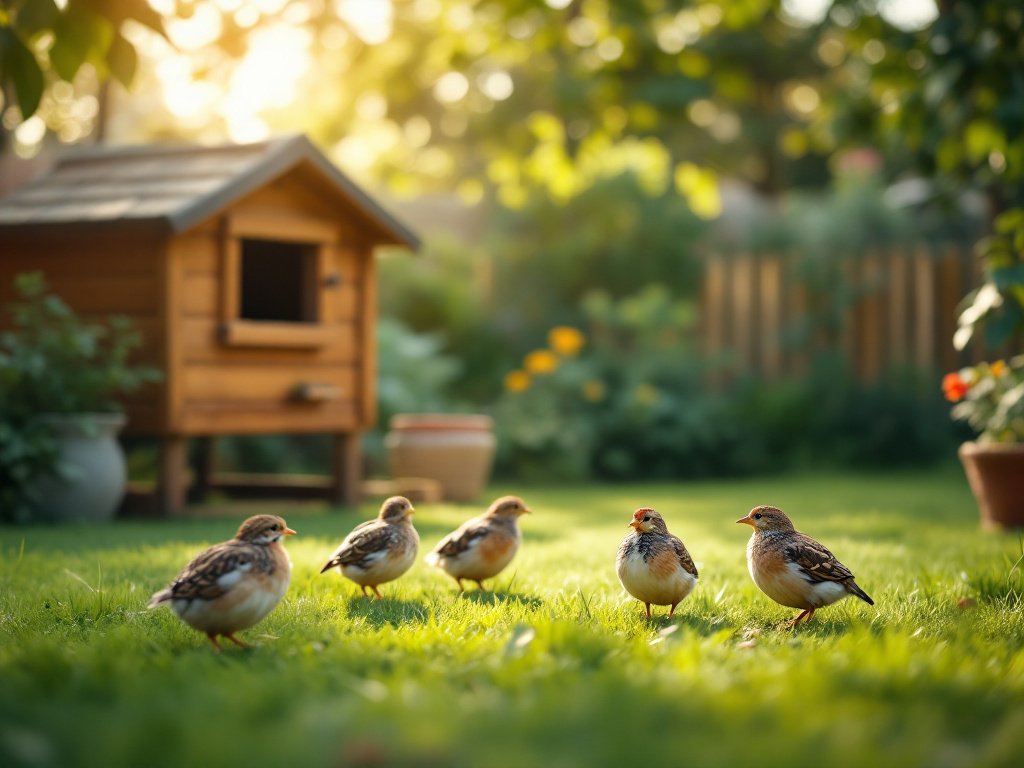
Coturnix quail offer one of the shortest paths to fresh eggs and homegrown meat for first-time poultry keepers. Unlike chickens, Coturnix mature incredibly fast. Most hens start laying eggs between six to eight weeks old, compared to some chicken breeds that take 20 weeks or longer. Their compact size means you can raise a productive flock in small suburban backyards, garages, or even on an apartment balcony.
Space and cost matter, especially for beginners. Quail only need about about one square foot each—a fraction of what chickens require (see chicken space requirements here). In practice, quail thrive in wire cages or homemade hutches, and their quiet, odor-light habits suit areas where noisy chickens might cause neighbor complaints.
When it comes to the value of eggs, one dozen quail eggs can sell for $2–$10 locally. For those seeking self-reliance or a small homesteading project, a few Coturnix hens can produce dozens of tiny, vitamin-rich eggs each week—regularly outpacing the number of eggs a similarly-sized chicken flock would yield. Their feed efficiency and low input costs make them one of the highest-yielding poultry options per dollar and per square foot.
Coturnix Quail Starter Costs—How Much Does It Really Cost to Begin?
Let’s cut to the numbers. The upfront cost to start raising Coturnix quail depends on your approach: off-the-shelf or DIY.
- Pre-made starter kit: $195–$390 (includes small incubator, basic brooder pen, heater plate, feeder, waterer, starter feed, and simple adult housing). (Incubator Warehouse Guide)
- DIY wooden hutch: $300–$350 for the structure, plus $17 feeder, $8 waterer, ongoing bedding at $5–$6/month (Coturnix Quail Cost Analysis).
- Monthly costs: Average $20–$30 for feed (about one pound per bird per month), bedding, and supplements.
DIYers can build pens for as little as $50 using found or recycled materials (DIY Quail Pens Guide). Remember, ongoing costs are modest: small birds and compact enclosures mean feed bills stay low. This contrasts with chickens, where even small flocks drive much higher feed and bedding costs (see how chicken costs compare).
Key expenses at-a-glance:
- Incubator: $50–$150 (best starter incubator picks)
- Brooder setup: $20–$50 (may include a heater plate or safe low-heat lamp—see chick brooder setup guide)
- Feed: $25–$40 per 50-lb bag (roughly one pound per bird per month)
- Housing: $50–$100 off-the-shelf, or build for less
- Feeder: $17 • Waterer: $8 (top no-waste feeder options)
- Bedding: $5–$6/month
Ongoing Coturnix Quail Care: Daily, Weekly, and Monthly Tasks
Coturnix quail care is straightforward and quick compared to chickens. On a daily basis, all you need is to check and refill feed, ensure clean water, and collect eggs. Weekly, swap bedding and wipe down trays or cage floors to prevent ammonia buildup. Plan for a deep clean monthly and watch for signs of illness or feather loss.
Key care tips:
- Feed: One pound per bird per month. Use game-bird starter for chicks (about 24–30% protein for chicks and 18–20% for laying adults), then switch to all-purpose game-bird feed once laying begins.
- Bedding: Wood shavings or straw work well; replace as needed to keep odor and moisture low (about $5–$6/month).
- Water: Use Shallow waterer, tip-proof dishes or nipple waterers to prevent drowning and keep water clean.
- Egg collection: Gather daily to reduce cracking, egg eating, and messy cages.
Maintenance for a dozen quail typically takes just 5-10 minutes a day—less than half the time it takes for a similar-sized chicken flock.
For winter or extreme weather, check out our guides on winter chicken coops and how to keep chickens warm in winter—much of the advice (like draft-free, dry bedding and predator-proofing) applies to quail, too.
The Top 3 Mistakes New Coturnix Keepers Make (and How to Avoid Them!)
Many new owners repeat the same costly errors. Here’s what to avoid:
| Common Mistake | What Happens | Quick Fix |
|---|---|---|
| Feeding chicken starter | Too little protein slows growth and egg production. | Switch to game-bird or turkey starter with 24–30% protein. |
| Overcrowded brooder | Chicks overheat, stress out, and get sick or die. | Provide at least 1 sq ft per chick; give them heat and a cool area for relief. |
| Drowning in water dishes | Chicks fall in and can’t get out. | Use chick-specific shallow waterers or put small stones/marbles in regular dishes. |
Many guides skip a few more critical points:
- Poor predator-proofing: Even in town, raccoons, rats, and snakes are a risk. Solid wood plus half-inch hardware cloth (never chicken wire) with predator-proof locks is essential. For fencing tips, see our guide on predator proofing poultry coops.
- Ventilation and ammonia: Stuffed, damp cages make for sick birds and stinky eggs. Make ventilation a top priority (see coop ventilation tips).
Advanced Care That Most Guides Miss—Brooder Setup, Predator-Proofing, and Biosecurity
Most quail guides gloss over critical care steps that become deal-breakers as your flock expands. Here’s what to do differently from day one:
- Brooder temperature management: Start at about 95°F for hatchlings, reducing the temperature gradually each week. Use a brooder plate or safe, low-hanging heat lamp (see safe heat lamp tips), and never leave chicks without a cool zone.
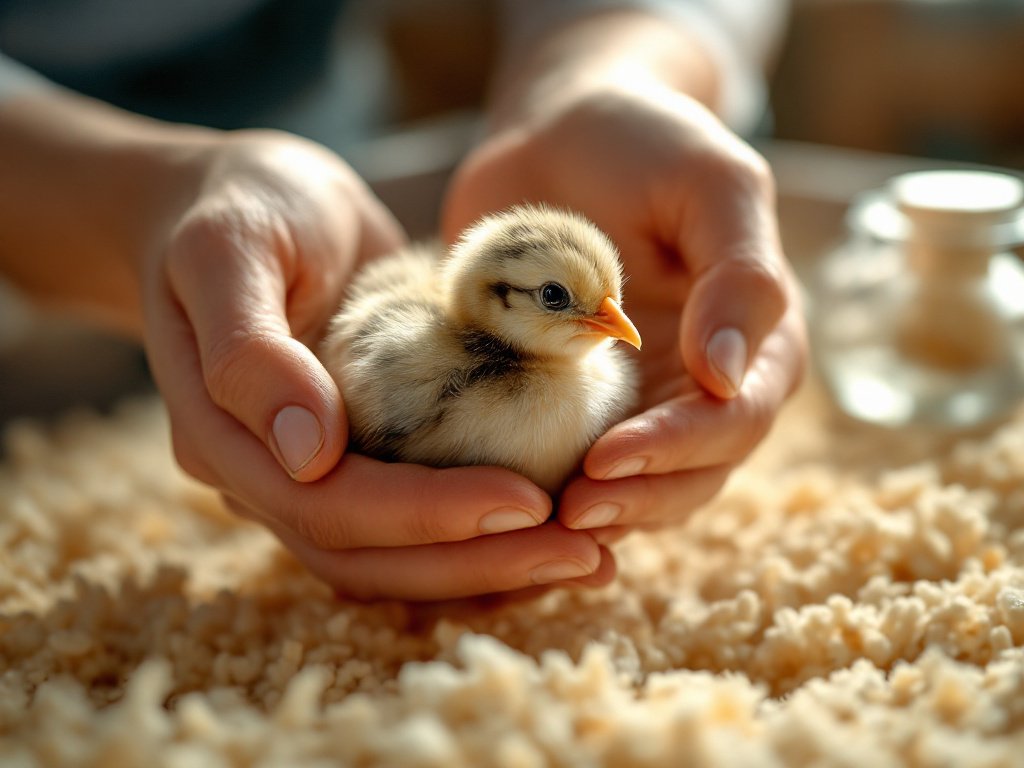
- Chick handling: Gently cup chicks to avoid leg injuries (quail are skittish) and always wash hands before and after, especially if you keep chickens or other birds.
- Predator-proof design: Hardware cloth on every opening, buried at least 6 inches if using an outdoor tractor. Latch all doors—raccoons and rats are notorious for prying open simple clips. Elevate cages on bricks or blocks to reduce rodent problems. Hardware cloth is far safer than chicken wire (hardware cloth tips).
- Biosecurity: Quarantine any new birds for at least 2 weeks. Sanitize eggs before incubating. Rotate breeders yearly to reduce inbreeding. Keep a health log—track signs of respiratory illness, feather loss, and changes in eating behavior.
For reference, systematic health routines dramatically cut disease spread and losses, according to many long-term keepers. For more details on breeding workflow and egg handling, explore the Mistakes New Quail Owners Make article.
Quail vs Chickens—Which Is Better for You?
Still debating quail vs chickens? Here’s a head-to-head comparison for small-scale keepers:
| Category | Coturnix Quail | Chickens |
|---|---|---|
| Startup Cost | $195–$390 (or DIY for $50+) | Much higher (coop, run, accessories) |
| Space Needed | about 1 sq ft per bird | 4 sq ft/bird (coop space guide) |
| Egg Production | Start at 6–8 weeks; many eggs per week | Start at 16–24 weeks; fewer eggs per week per pound of feed |
| Temperament | Quiet, shy, often less messy | Noisy, curious, can be destructive |
Bottom line: If you want quick, prolific egg layers in a small package, go Coturnix. For larger eggs, friendlier pets, or true free-ranging, chickens might fit better. For in-depth chicken setup guides, see our best chicken breeds for beginners and chicken coop for 6 chickens posts.
Getting Started—A Simple, Step-by-Step Coturnix Quail Plan for Beginners
Ready to take the plunge? Here’s the fastest, foolproof route from zero to collecting your first eggs:
- Choose your starting stock. Order Coturnix eggs from a reliable local breeder or hatchery, or buy day-old chicks if you want to skip incubation.
- Prepare your brooder. Secure a box or tub with wire lid, heat plate, non-slip bedding, shallow waterer, feeder, and thermometer. Set the temp to 95°F before chicks arrive.
- Set up adult housing. Build or buy a cage/hutch giving 1 sq ft per bird with draft-free, secure walls and predator-proof latches. Plan space to expand if you want more birds later.
- Gather supplies. Get a 50-lb bag of game bird starter feed, bedding, cleaning tools, and a small bin for collecting eggs (egg basket ideas).
- First week care. Feed game-bird starter, change water 2–3 times daily, keep the brooder warm but well ventilated, and check chicks every few hours for stragglers or pasty butt.
First-year cost: Most beginners spend $195–$390 to get started, with eggs valued at an amount that varies widely depending on flock size, feed, and local egg prices over the year depending on yield and local prices.
First Week Checklist
- Brooder ready at 95°F
- Shallow waterer with clean water and marbles (to prevent drowning)
- Non-slip bedding (paper towel, then switch to shavings by day 5)
- High-protein feed in a chick-safe feeder
- Secure lid to prevent escapes
- Health checks twice per day
Frequently Asked Questions about Raising Quail for Beginners
How many quail should a beginner start with?
Starting with 6–12 Coturnix quail lets you learn quickly and collect plenty of eggs without feeling overwhelmed. They thrive both in pairs and small groups but avoid crowding—stick to one square foot per bird.
Can you keep quail and chickens together?
It’s not recommended. Chickens can bully, injure, or transmit diseases to quail. Keep them in separate enclosures for best health and safety.
Do quail need special feed?
Yes. Use game bird or turkey starter with at least 24–30% protein for chicks, then switch to layer feed or all-purpose game bird feed at maturity. Chicken starter lacks essential nutrients for Coturnix quail.
Are quail noisy or likely to bother neighbors?
Coturnix quail are quieter than chickens and roosters, making them perfect for urban or suburban areas. Males do crow, but the sound is soft and still legal in most urban settings.
How often do quail lay eggs compared to chickens?
Coturnix hens typically start laying at six to eight weeks old and can lay almost daily when well cared for. This beats chickens, which take much longer to mature and may only lay a few times a week depending on breed and care.
Conclusion
If you want to add fresh eggs or a simple meat source to your backyard flock, raising quail for beginners is as close to mistake-proof as poultry gets. Coturnix quail’s rapid maturity, minimal space needs, and modest costs remove most of the barriers beginners fear. With the right prep, protein-rich feed, and a few hardware cloth security upgrades, you’ll be collecting eggs in just weeks—long before most chicken keepers start seeing a return. Ready to get started? Set up your brooder, grab some game-bird starter, and join the growing number of backyard quail enthusiasts.
Got questions about your setup or want more starter tips? Leave a comment below or visit our beginner egg incubator guide or brooder setup essentials to dive deeper into your Coturnix journey!
—
Sources
- Hatching Time – How to Raise Quail for Eggs & Meat
- Incubator Warehouse – Coturnix Quail: Raising, Feeding & Egg Production Guide
- Backyard Stead Lab – How to Raise Coturnix Quail for Beginners: The 8-Week Bird
- Backyard Stead Lab – Coturnix Quail Complete Guide: 300 Eggs a Year in a Square Foot
- Quail Sales – How Much Do Quail Cost? 2026 Price Guide