
As an Amazon Associate we earn from qualifying purchases. This article contains affiliate links; we may earn a small commission at no extra cost to you.
Chicken coop for ducks and chickens is one of the most common Google searches among backyard flock owners looking to combine chickens and ducks in a single setup. Success requires more than simply moving both types of birds into the same house—a truly mixed flock coop meets the unique needs of both species, prevents messy disasters, and keeps your investment healthy for years.
Key Takeaways
- A duck-chicken coop must offer extra ventilation, increased run space, and water management features not found in a standard chicken coop.
- Buying an assembled coop costs significantly more than a well-built DIY version—materials and design choices dictate lifespan and maintenance.
- Common pitfalls include poor moisture control, rotting bedding, and predator breaches. Smart hardware and layout choices solve these issues for good.
- Why a Mixed Flock Coop? (Benefits & Unique Needs)
- Must-Have Coop Specs for Ducks & Chickens Living Together
- Mixed Flock Coop Pricing: DIY vs Assembled Options
- The Top 3 Pain Points in Duck-Chicken Coops (And How to Avoid Them)
- How to Choose or Build a Durable Mixed Flock Coop (Materials & Regional Factors)
- FAQs
Why a Mixed Flock Coop? (Benefits & Unique Needs)
Building or buying a mixed flock coop is a popular route for backyard enthusiasts who want fresh eggs, entertainment, and more personality in their poultry yard. Ducks often lay eggs year-round and tolerate colder, wetter weather. Chickens scratch for bugs and provide reliable egg production through most months. When housed together, both birds can boost your yields and flock resilience—if they get what they need.
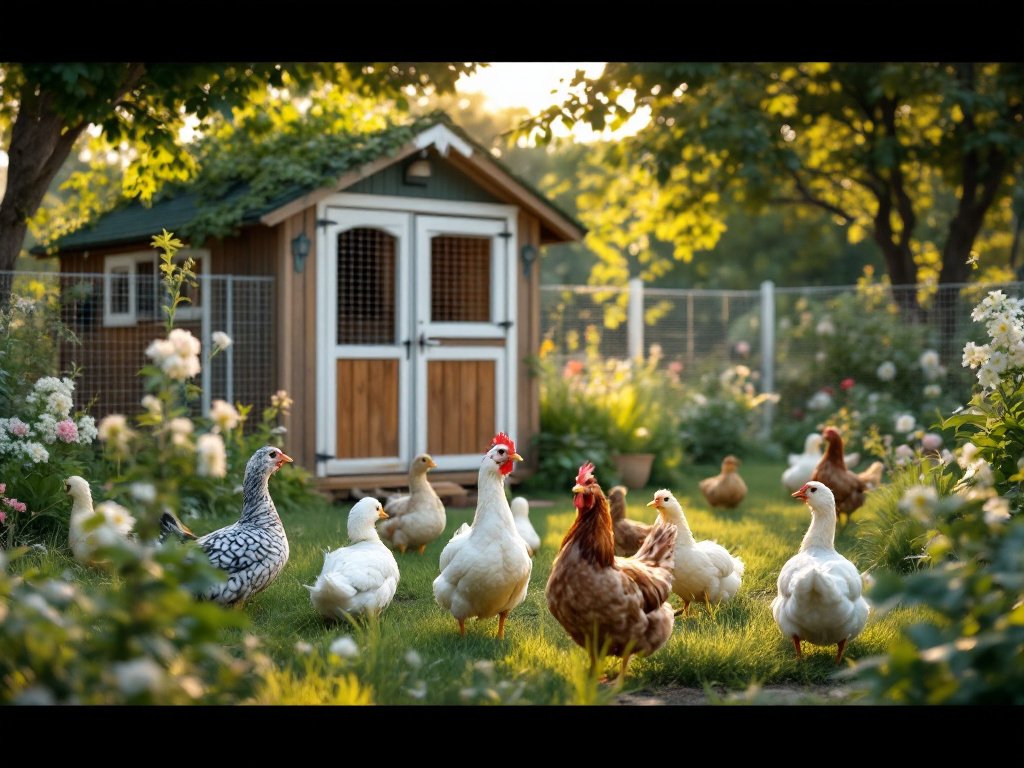
However, chickens and ducks diverge in daily habits. Ducks make more mess, require larger outdoor runs, and need access to open water deep enough to dunk their heads (but not so much that floors rot). Chickens prefer to sleep off the ground on roosts, while ducks sleep on the floor and nest in corners. A successful mixed flock coop must support these differences. Many seasoned owners recommend at least 10 square feet of run area per bird—especially for ducks, who are much messier than chickens and need room to splash and patrol.
Must-Have Coop Specs for Ducks & Chickens Living Together
A chicken coop for ducks and chickens needs to exceed basic poultry housing standards. Below are the crucial dimensions and features for designing a healthy, low-maintenance space for a mixed flock:
- Interior space: At least 3 square feet per chicken and 3 square feet per duck. More space always means less stress.
- Run area: At least 8 square feet per chicken and 15 square feet per duck, since they’re messier and trample wet ground faster.
- Nesting: Provide two nesting boxes for the first four hens, then add one for every four additional hens; each box should be at least 12 by 12 inches. Ducks will generally reject boxes, preferring ground nests in quiet corners; leave a cozy area with deep straw.
- Roost bars: Place bars about 12 inches apart, positioned 18–24 inches off the floor (ducks won’t use these, but chickens require them).
- Ventilation: High cross-ventilation with large adjustable vents—absolutely crucial for duck health, since they breathe out a lot of moisture.
- Water: Ducks must have access to a deep tub or trough they can submerge their heads and clean their nostrils, but it should stay outside or in a waterproofed corner to avoid bedding rot.
- Predator-proofing: Use half-inch hardware cloth on all windows/openings, bury a skirt or dig-guard, and use two-step latches. Read more on the predator proof chicken coop guide for detailed advice.
- Flooring: Use rot-resistant wood, waterproof coatings, or easily replaceable mats—ducks will soak regular plywood and standard coop bedding.
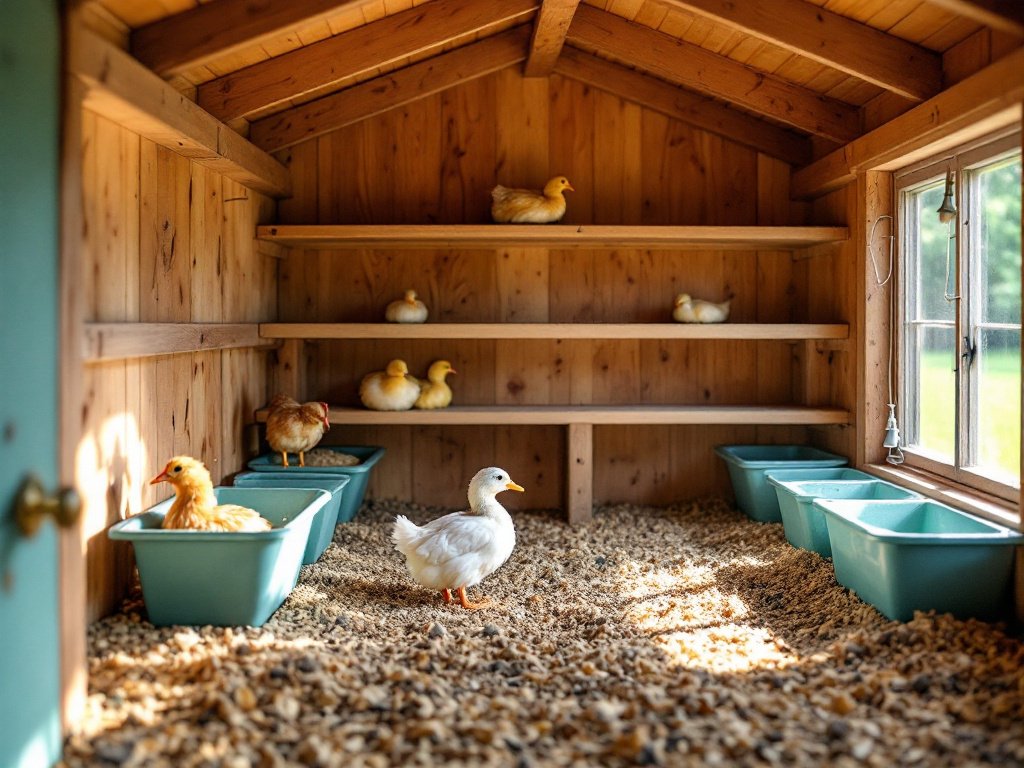
Adding openable roof vents or year-round vent covers also helps prevent humidity buildup—see our full chicken coop ventilation guide. For winter climates, a draft-free but not airtight setup is key. In rainy areas, a covered chicken run prevents mud and waterlogging. For more on space requirements, visit our detailed page on chicken coop space requirements.
Remember: Ducks in particular will destroy particle board and chipboard floors quickly. Opt for hardware, wire mesh, and lumber that repel water and resist rot. One nesting box every four hens is the minimum; review our best nesting boxes for chickens guide.
Mixed Flock Coop Pricing: DIY vs Assembled Options
What can you expect to pay for a proper duck friendly coop? The numbers vary dramatically based on local lumber cost, metal hardware, and whether you’re shopping assembled or planning a DIY build with rot-resistant wood:
- Assembled, ready-to-install coops commonly range from $300–$800 for a compact 4–6 bird setup (including a small run). Larger coops for 8–12 birds go well into the $1,200–$2,500 range or more.
- DIY builds, using pressure-treated or cedar lumber and hardware cloth, have material costs that vary with design, size, and local material prices. (excluding personal labor and any specialty tools).
Why pay so much? Commercial options often include delivery, assembly, premium hardware, and decor—plus markup. However, many prefab “chicken coops” fail duck owners long-term by skimping on flooring and waterproofing. If you go modular or DIY, budget for better lumber, more vents, quality mesh, and a sturdy floor that ducks can’t rot out.
If you want a budget-friendly option, explore our guide on best budget chicken coop options. Upgrading to an automatic door is a wise long-term investment for predator protection—see our best automatic chicken coop door review.
The Top 3 Pain Points in Duck-Chicken Coops (And How to Avoid Them)
No flock owner wants to spend weekends fixing problems that could have been avoided. Below are the most reported—and most easily fixed—pitfalls in any mixed flock setup:
- Inadequate Ventilation: Both ducks and chickens produce moisture, but ducks create persistent dampness. If your coop traps humidity, you risk respiratory problems, mold, and a shorter coop lifespan. Solution: Add more and larger vents, window covers, and supplemental roof venting for year-round airflow.
- Wet Bedding & Rot: Ducks splash water eight ways from Sunday. Wet bedding leads to foot infections, ammonia, and rotting wood. Solution: Place water sources outside, use deep absorbent bedding, and sloped floors with quick-drain pans under duck water tubs. Learn more in our chicken coop bedding guide.
- Predator Breaches: Many commercial coops come with cheap chicken wire and weak latches. These fail quickly against determined raccoons or dogs. Solution: Insist on half-inch hardware cloth for all openings, install buried wire skirts or concrete edging, and use two-step locks. See our favorite predator-proofing essentials for more.
| Problem | What Goes Wrong | Best Solution |
|---|---|---|
| Ventilation | Humidity, mold, bird illness | Add large adjustable vents, openable windows, roof venting |
| Bedding rot/moisture | Smelly bedding, foot problems, rotted wood | Sloped floors, deep absorbent bedding, water outside |
| Predators | Animal intrusion, stress, bird loss | Hardware cloth, skirt/dig guard, two-step locks |
For extreme climates or predator pressure, consider insulating or weatherproofing your entire coop. If your winters are harsh, our guide to the best chicken coop for cold weather shows how to seal up drafts but not cut off fresh air. For every climate, quality hardware and placement on a high, well-drained site make all the difference.
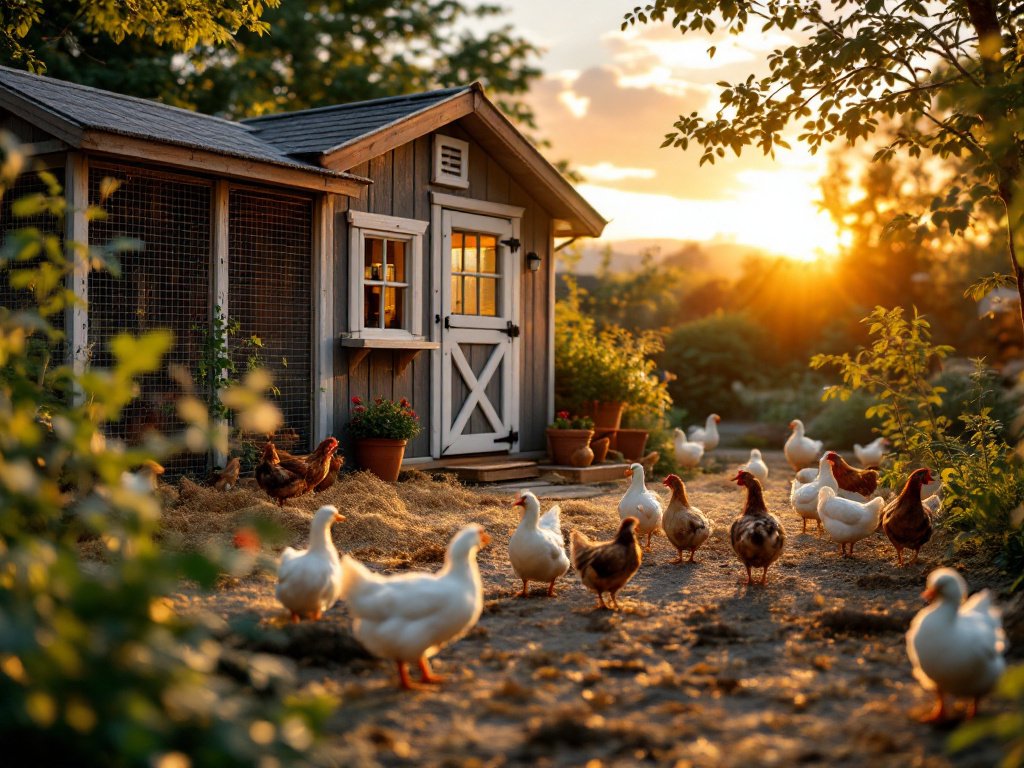
How to Choose or Build a Durable Mixed Flock Coop (Materials & Regional Factors)
Most chicken coops for ducks and chickens found at farm stores or online will not stand up to wet climates, heavy duck activity, or cold snaps unless you choose smartly. Regional adjustments pay off with less repair and fewer health risks:
- Choose lumber wisely: Pressure-treated or rot-resistant wood (cedar or redwood) outlasts particle board every time, especially in wet regions where duck water can destroy a base in months.
- Apply the right finish: Use exterior-grade waterproof sealers in humid zones or the South. In cold, snowy regions, insulate with rigid foam or line with cedar to help hens and ducks stay cozy without closing off all air supply.
- Upgrade hardware: Go beyond basic chicken wire—half-inch hardware cloth keeps out predators, rodents, and snakes. Review our guide on best hardware cloth for chickens.
- Expandable design: Modular and walk-in coop layouts allow easy expansion for new birds, or replacement of high-traffic flooring before it becomes a bigger problem. Upgrading to a walk-in coop offers better cleaning access and headroom for larger ducks or mixed flocks.
- Plan for drainage: If your property stays wet, trench around your site or install a sand/gravel base to keep the run mud-free. Our tips on fixing a muddy chicken run give you drainage methods that really work.
Above all, always build with repairs in mind: Removable floor panels, drain trays, and access doors make cleanouts faster—saving labor every year. Modular units also make expanding your flock (or reducing numbers if needed) frictionless and futureproof.
Conclusion
Whether you’re buying or building, choosing the right chicken coop for ducks and chickens means thinking beyond basic poultry needs. Prioritize ventilation, moisture-resistant materials, and secure predator-proofing up front. Give ducks their deep water and soft floor space, supply chickens with high, dry roosts and safe nest boxes, and adjust designs for your regional climate and soil. For maximum value, always check space, drainage, and hardware—your future self and your healthy mixed flock will thank you. Ready to upgrade your setup? Research your options or start building today.
FAQs
Can ducks and chickens use the same nesting boxes?
Chickens use traditional nesting boxes, while ducks usually ignore them. Ducks prefer nesting on the floor in a quiet, straw-filled corner. Leave a protected ground-level nest area for ducks.
How do I keep duck water from making the coop wet?
Place duck water tubs outside the main coop, in a covered section of the run, or install a waterproofed corner with sloped flooring and easy-to-clean pans underneath. This prevents soggy bedding and rot.
Will a standard premade chicken coop work for mixed flocks?
Most commercial chicken coops need serious upgrades to handle ducks. Look for extra floor and run space, better vents, waterproof flooring, and hardware cloth for predator-proofing if mixing flocks.
Is it cheaper to build my own chicken duck coop?
DIY builds can save money and allow you to tailor dimensions and materials. Expect to pay for rot-resistant lumber, vents, and hardware cloth, but you’ll end up with a longer-lasting, duck friendly coop.
What is the ideal floor material for a duck and chicken coop?
Rot-resistant wood or coated plywood with replaceable deep bedding can work well; select materials and finishes suitable for poultry housing and follow product-label instructions. Avoid standard particle board or OSB, which ducks will quickly destroy through moisture.