
As an Amazon Associate we earn from qualifying purchases. This article contains affiliate links; we may earn a small commission at no extra cost to you.
Prevent frostbite on chicken combs is a top concern for backyard flock owners in cold climates. Combs and wattles are frostbite magnets, and if you’re tired of messy routines, wasted money, or not knowing what’s really safe, this guide cuts through the myths to save your birds and your budget.
Key Takeaways
- Comb and wattle frostbite risk spikes below 32°F (0°C)—large single-comb breeds like Leghorns or Rhode Island Reds are most vulnerable.
- Moist coop air, poor ventilation, and wind chill are bigger culprits than just cold temperatures—winter comb care starts with dry, draft-free housing.
- Petroleum jelly, silicone guards, and heated gear are popular, but each comes with unique pros, cons, and costs you should weigh before choosing.
- Why Are Chicken Combs and Wattles So Prone to Frostbite?
- Top Climate and Bird Factors Driving Frostbite Risk
- What Actually Works? Real Costs and Effectiveness of Popular Prevention Methods
- Owner Pain Points: Mess, Reactions, Damage, and Cost
- The Evidence: What Data Can Actually Help Chicken Owners Decide?
- Frequently Asked Questions
Why Are Chicken Combs and Wattles So Prone to Frostbite?
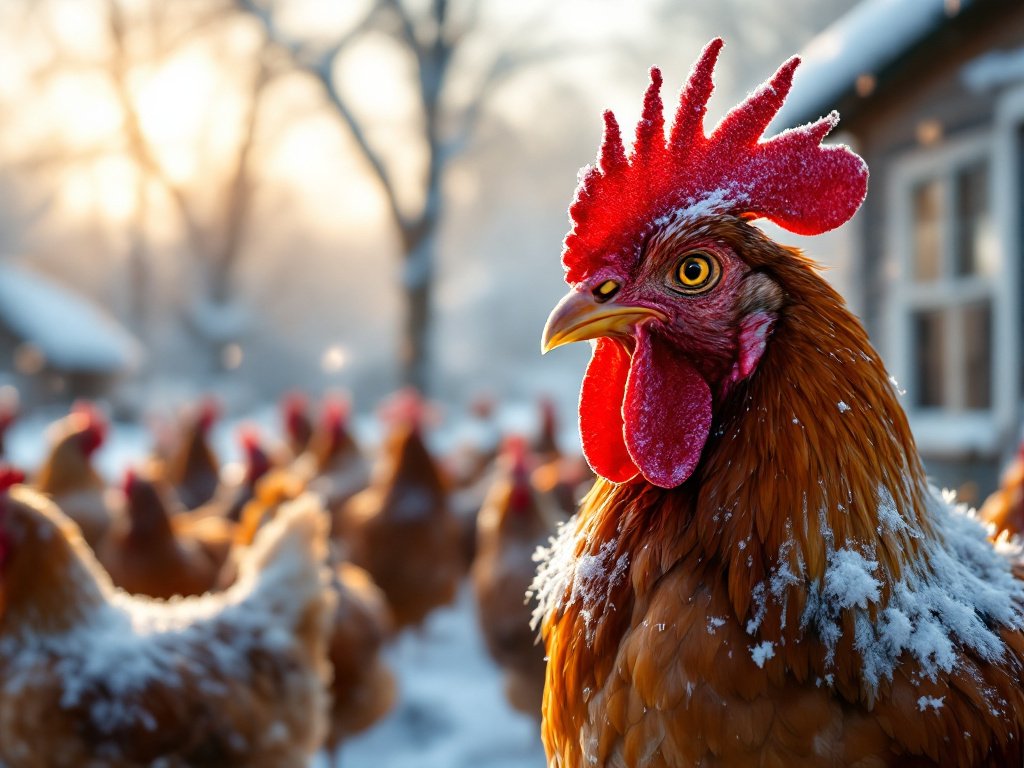
Chicken combs and wattles are highly exposed and filled with blood vessels, making them early frostbite targets—especially for single-comb breeds. When temperatures drop below freezing and wind picks up, blood flow slows and skin freezes fast. Studies and extension experts agree: Frostbite risk in backyard flocks rises sharply when temperatures drop below freezing, especially when wind chill is severe or coops are damp and drafty. Birds with large, upright single combs—like Leghorns, Rhode Island Reds, or heavy roosters—are far more vulnerable than cold-hardy breeds with rose or pea combs, such as Orpingtons or Plymouth Rocks. Prevention isn’t just about cold—moisture and wind are major drivers for frostbite in chickens, and understanding how these interact with breed type is the first step to practical winter comb care.
Top Climate and Bird Factors Driving Frostbite Risk
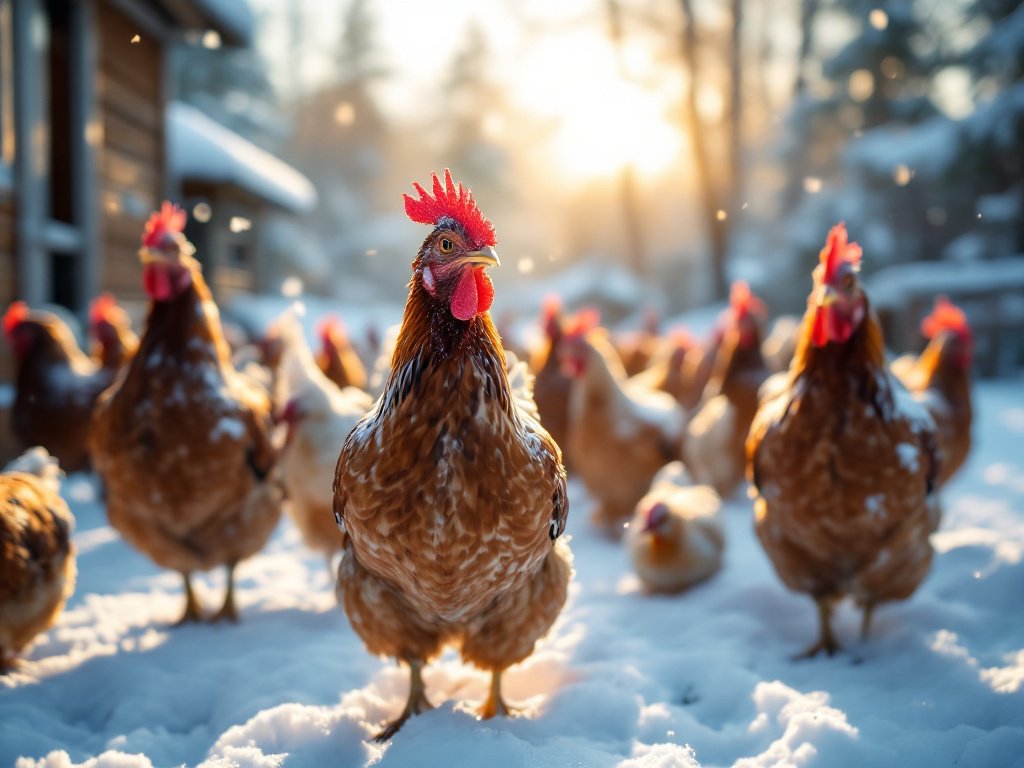
Frostbite in chickens is triggered by more than just low temperature. Wind chill dramatically accelerates heat loss from combs and wattles. Even on a calm, cloudy day near freezing, a drafty coop can cause aggressive cooling. Humidity and coop moisture are critical: “Wind accelerates heat loss; high relative humidity or damp litter further increases moisture on combs and wattles, which is the primary trigger for tissue freezing, while dry, well-ventilated coops reduce that risk.”
Single-comb and large-wattle breeds face the highest risk, while flat-comb types are more resistant. Coop design has a huge impact: a draft-free, well-ventilated structure cuts the odds of frostbite dramatically. For more detail on weatherproof coop design, check our guide on the best chicken coop for cold weather.
Wind shield panels, closing unnecessary vents (without blocking high-outlet airflow), and proper roost height so chickens sit over their feet all reduce wattle and comb exposure. Keep birds inside during extreme cold snaps or dangerous wind chill levels.
For more guidance on winter upgrades, see our picks for the best tips to keep chickens warm in winter and top bedding solutions.
What Actually Works? Real Costs and Effectiveness of Popular Prevention Methods
Owners gravitate toward a few main winter comb care methods—but each has nuances and tradeoffs. Let’s break down the real-world options:
| Method | How It Works | Cost Estimate* | Pros | Cons | Best For |
|---|---|---|---|---|---|
| Petroleum jelly Comb Coating | Thin layer on combs/wattles helps insulate from wind/ice | About $3–5 per jar (coverage and seasonal use vary by flock size and application frequency) | Cheap, easy to apply, familiar | Messy, needs frequent reapplication, some birds react poorly | Small flocks, cautious owners |
| Silicone Comb Guards | Flexible guard slips on comb to act as a physical shield | About $5–10 each; total cost depends on size, fit, and flock needs | Reusable, no ointment mess | Fit issues, possible abrasion, initial cost can add up | Show birds, high-frost zones, single-comb breeds |
| Heated Gear | Heated waterers/coops raise ambient temperature above freezing | Heated waterer and coop-heater prices vary widely by size, wattage, and retailer | Automated, reduces ice everywhere (water and combs) | Electric costs, fire risk, must manage humidity | Flocks in extreme cold, larger coops |
*Price ranges from cited research. Always cross-check current local pricing for your flock size and set-up.
For more winter gear, see our best heated waterer review and safe coop heater picks.
Many reputable sources, such as the Extension Poultry Health and MannaPro, confirm these options are widely used, but not without issues.
Other Owner-Reported Pitfalls
- Repeatedly applying petroleum jelly is tedious and tends to smear onto feathers or bedding.
- Some chickens show mild skin irritation or seem to dislike the feeling of ointments. There is debate over whether these coatings genuinely prevent frostbite in severe cold, or just trap moisture (see alternative views).
- Comb guards sometimes slip or cause mild abrasion if not fitted correctly.
- Heated gear can introduce fire risks (especially heat lamps) and often increases electric bills in harsh winters.
- The mess, feather matting, or cost of replacing materials often leads owners to skip applications or “make do.”
Choosing the best option depends on your climate, breed mix, coop design, and budget. For lasting results, address moisture, drafts, and breed vulnerabilities before adding products or gadgets.
Owner Pain Points: Mess, Reactions, Damage, and Cost
Every solution to frostbitten wattles and combs involves tradeoffs. Many owners complain about the sticky mess from repeated petroleum jelly application. It can end up on feathers, bedding, even eggs. Some chickens develop skin irritation or a mild allergic reaction to greasy ointments. Guard devices sometimes cause feather or comb damage if they don’t fit well.
The biggest long-term frustration is financial: between the cost of ointments, occasional equipment like heated waterers, and extra electricity, small expenses stack up for flocks. According to owner reports, common pain points include the mess and labor of repeatedly applying jelly, possible skin irritation, feather or comb damage from product residue or poor fit, and the cumulative cost of consumables and electricity. For more ways to prevent small, ongoing costs from adding up, see our article on the true cost to raise chickens.
The Evidence: What Data Can Actually Help Chicken Owners Decide?
Despite all the advice and products, there’s still a lack of clear field-tested data comparing approaches. Here’s what would help flock owners most:
- Field studies logging frostbite cases by exact temperature, wind speed, and humidity to pinpoint critical risk levels for each comb type.
- Side-by-side experiments measuring comb surface temperature and moisture with versus without petroleum jelly comb treatments or silicone guards.
- Veterinary or survey reports quantifying rates of skin reaction and feather abrasion with different product types or guard designs.
- Realistic cost-benefit comparisons—do product and energy expenses offset actual health and egg losses?
Until that data is public, owners should focus first on non-greasy, low-mess prevention via dry bedding, good coop ventilation, and flock selection for future winters. Assess solutions critically—just because something is traditional doesn’t guarantee it’s best for your chickens.
Find more on breed selection and hardiness at our cold hardy chicken breeds guide. For improving coop airflow, read this step-by-step ventilation tutorial.
For further reading, reputable sources include the Poultry DVM frostbite resource and a NOAA wind chill guide.
Conclusion
Preventing frostbite on chicken combs doesn’t require expensive gadgets. Start with dry, well-ventilated housing and choose appropriate breeds if you’re expanding your flock. Petroleum jelly comb coatings, silicone guards, and heated gear all have their place—but weigh the mess, fit, risk of skin reaction, and long-term costs for your unique setup. Prioritize what really works for your flock, not just what’s popular online. If you want more practical tips, don’t miss our free winter chicken care checklist. Take action this season to prevent frostbite on chicken combs—your birds will thank you.
Frequently Asked Questions
How do I know if my chicken has frostbite?
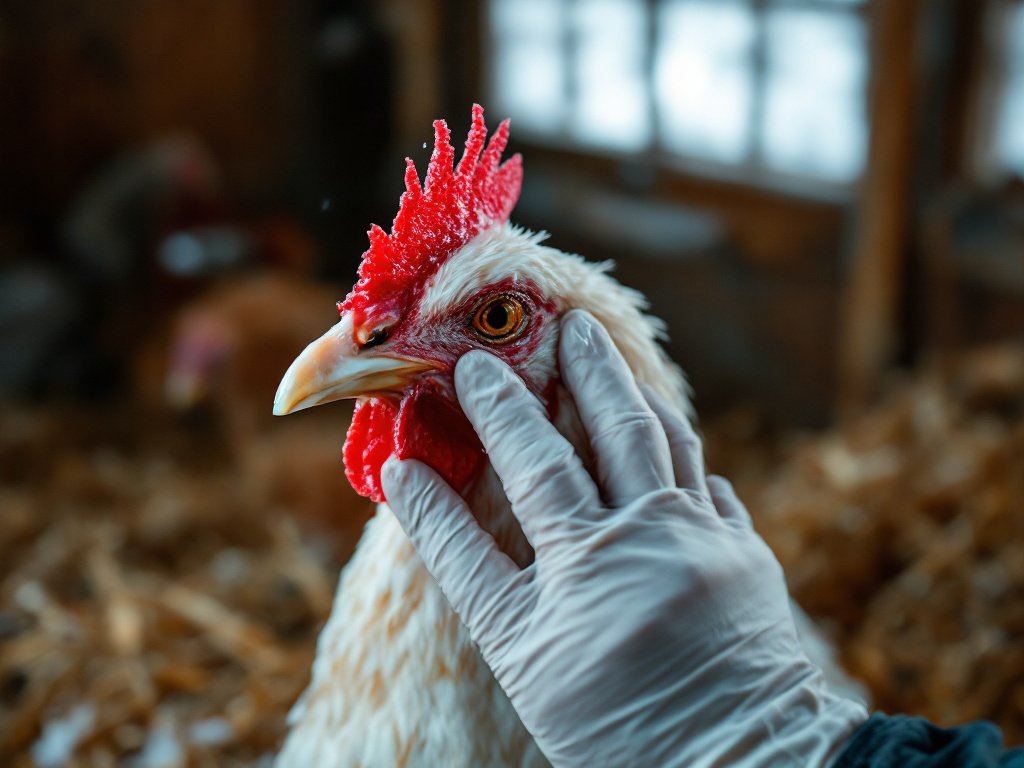
Early signs of frostbite in chickens include pale, white, or darkened tips of the comb or wattles, swelling, and blisters. More advanced cases can show blackened, shrunken areas. If in doubt, gently inspect your birds each morning after cold nights.
Does applying petroleum jelly to combs really work?
There’s debate among owners and experts. Some sources say thin applications can help minimize frostbite risk, but others argue it can trap moisture and make things worse if not used correctly. It is not a substitute for good coop management and dry bedding. See alternative perspectives here.
Should I heat my chicken coop in winter to prevent frostbite?
Heating the coop can reduce frostbite risk, but creates other problems: increased humidity, fire risk, and sometimes poorer air quality. Most experts recommend focusing on insulation, draft protection, and ventilation instead of routine heating. If you need heat, choose purpose-built coop heaters over heat lamps for safety.
Are some chicken breeds naturally protected from frostbite?
Yes. Breeds with small, flat, or compact “rose” or “pea” combs are much less likely to suffer frostbite. Examples include Orpingtons and Plymouth Rocks. For a rundown, see our cold hardy breeds guide.
What’s the best way to fix a damp or drafty coop?
Patch or seal direct drafts, but never block all ventilation—moist air is a bigger ongoing risk than cold. Replace wet bedding quickly, raise waterers, and use vent covers that allow air flow but block wind. Read our ventilation guide for actionable steps.