
As an Amazon Associate we earn from qualifying purchases. This article contains affiliate links; we may earn a small commission at no extra cost to you.
Best dual purpose chicken breeds are the backbone of many sustainable flocks, but creating a productive, cost-effective setup takes more than just picking random breeds off a list. If you want both reliable eggs and quality meat from your backyard chickens, you need real metrics, transparent costs, and true-to-life advice on what actually works for today’s small-scale homesteader.
Key Takeaways
- Top dual purpose breeds usually produce about 180–300 eggs per year and reach mature weights of about 3.0–4.5 kg for hens and 4.0–5.0 kg for roosters.
- Expect to pay about $2–$4 for day-old chicks, $10–$40 for pullets, and $20–$35 for breeder birds—plus higher lifetime feed costs compared to single-purpose breeds.
- Common challenges for homestead chickens include slower growth, higher feed needs, risks of excessive broodiness, and welfare issues in tight setups—but strategic management can minimize these downsides.
- Why Choose Dual Purpose Chicken Breeds for Your Homestead?
- Top Dual Purpose Chicken Breeds: Performance Metrics at a Glance
- Real Costs: What to Expect for Chicks, Pullets & Breeder Stock
- Hidden Challenges & Real-Life Complaints: What Homesteaders Need to Know
- Filling the Gaps: What Most Guides Miss (and Why It Matters)
- Dual Purpose Flock Builder’s FAQ
Why Choose Dual Purpose Chicken Breeds for Your Homestead?
If you want a sustainable flock that produces both eggs and meat without the downsides of commercial hybrids, dual purpose chicken breeds deliver balance. Unlike commercial layer or broiler systems, which are optimized for a single output (maximum eggs or fastest meat gain), these breeds were developed for small farms and real-world conditions. They excel as both eggs and meat chickens—laying between 200 and 300 eggs annually and reaching solid table weights for home processing. This versatility means fewer replacement birds, less waste, and more control for the backyard owner.
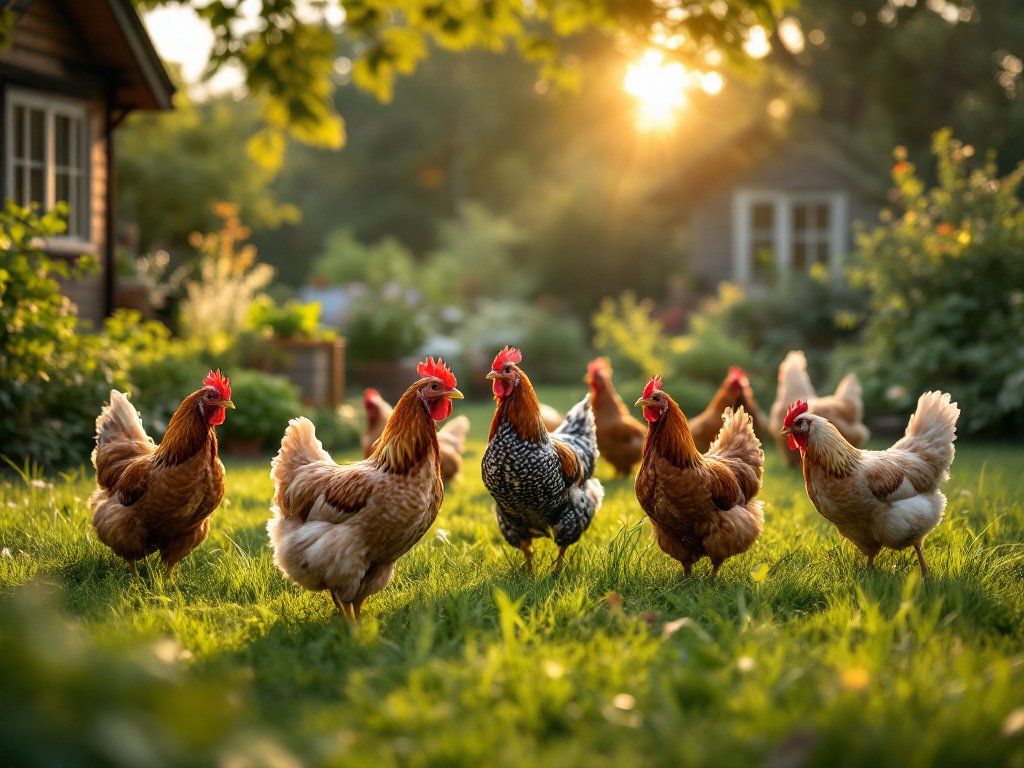
For homesteaders, this approach means your flock pulls double duty. The feed conversion ratio is typically around 3.0 to 5.0 kg of feed per kg of weight gain—slower and less efficient than modern broilers, but a tradeoff for the flexibility and self-reliance many small farms value. Read more about economics of dual purpose breeds here.
Compared to raising dedicated meat birds and high-output egg layers, integrating the best dual purpose chicken breeds removes complex culling, puts male chicks to use growing out for the table, and allows the same flock to meet most of your needs. It’s a pragmatic path for those putting sustainability and resourcefulness ahead of single-metric efficiency.
Top Dual Purpose Chicken Breeds: Performance Metrics at a Glance
Choosing the right dual purpose breeds means understanding what each brings to your homestead. Here’s a data-driven dual purpose breeds list with real-world metrics to inform your plan.
| Breed | Eggs/Year (Avg.) | Hen Weight (kg) | Rooster Weight (kg) | Feed Conversion Ratio* | Climate Notes | Temperament |
|---|---|---|---|---|---|---|
| Rhode Island Red | 200–300 | 3.0–3.5 | 4.0–5.0 | 3.0–4.0 | Hardy, good in cold/heat | Active, sometimes dominant |
| Sussex | 220–260 | 3.2–3.5 | 4.1–4.7 | ~3.5 | Cold tolerant | Calm, good mothers |
| Orpington | 180–220 | 3.2–3.5 | 4.0–4.5 | ~3.8 | Well-suited for cold, needs shade in heat | Docile, social |
| Plymouth Rock | 200–250 | 3.0–3.4 | 4.0–4.4 | ~3.5 | Cold hardy | Calm, adaptable |
| Lohmann Dual | 250–280 | 3.0–3.5 | 4.0–5.0 | 3.0–4.0 | Good in varied climates | Modern hybrid, calm |
*Estimated backyard FCR; results vary by management and system.
For even more breed options and deeper analysis, check out the homesteader-reviewed dual-purpose breed rankings here.
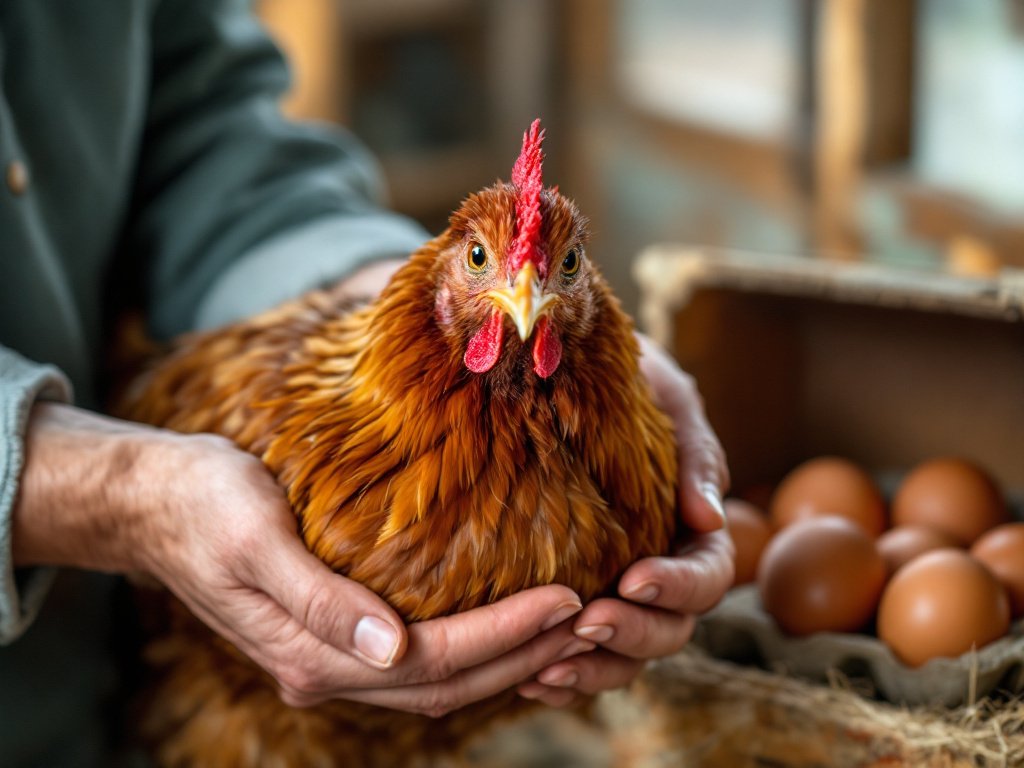
Breeds like Sussex and Orpingtons also make excellent mothers for natural hatching. Looking to maximize both egg and meat output? Aim for rotational management—with high-protein layer feed during laying season and flexible foraging to reduce feed bills for your meat birds.
Real Costs: What to Expect for Chicks, Pullets & Breeder Stock
Building a sustainable flock means understanding the real upfront and ongoing costs for homestead chickens. For dual purpose breeds, here’s what to budget:
- Day-old chicks: $0.30–$0.45 each for standard dual purpose lines. Heritage or rare breeds can run higher. Straight-run (unsexed) chicks are almost always cheaper than sexed.
- Started pullets (8-20 weeks): $5–$12 each, with price climbing by age, breed, and vaccination status. Pullets near point-of-lay fetch the highest prices.
- Breeder-quality stock: $20–$35 each for certified, show, or rare genetics.
But purchase price is only part of the picture. Dual purpose chickens typically reach meat-processing weight around 16–24 weeks—much slower than commercial broilers, which are ready as early as 6–8 weeks. That means you’ll be paying for feed and care longer. Their feed conversion ratio isn’t as tight, so feed costs per pound of finished meat (and, to a lesser degree, per dozen eggs) are notably higher.
To optimize your break-even point:
- Plan flock size for your household needs. Get realistic with this starter flock calculator.
- Prioritize hardy, non-flight-prone breeds that thrive in low-cost setups or have good foraging instinct—many heritage breeds fit.
- Invest in quality feeders (no waste chicken feeders) to minimize loss and hidden costs.
Other costs to consider: predator-proofing the coop (secure hardware cloth guide), durable heated waterers for winter, and ongoing health supplies. Your flock’s real return comes from years of productive laying, self-replacing chicks, and homegrown meat—not quick turnover.
Hidden Challenges & Real-Life Complaints: What Homesteaders Need to Know
Dual purpose chicken breeds aren’t a silver bullet—they come with unique management headaches compared to purebred layers or broilers. Here’s what real homestead chicken keepers often report, plus direct, actionable fixes.
- Slower Growth Rates: Meat birds won’t hit peak size until 5+ months old. Solution: Plan regular meat harvests in fall, or stagger chick orders to create an age ladder for year-round table birds.
- Greater Feed Needs: Higher FCR means higher ongoing feed costs. Solution: Supplement diets with garden or kitchen scraps, managed free-range, and grit (learn about chicken grit here) to aid digestion and cut costs.
- Foot-Pad Dermatitis & Welfare Issues: Higher risk in muddy or crowded runs. Solution: Use dry bedding (deep litter bedding strategies) and proactive run management (fix muddy chicken runs fast).
- Broodiness: Many dual purpose breeds are prone to going broody—great for hatching, bad for egg yield. Solution: Break broodiness (broody breaker guide) unless you want chicks.
- Inconsistent Egg Size and Patterns: Eggs may vary more in size/shape from heritage lines. Solution: Accept some variability as part of breed character or target modern lines if uniformity matters.
- Poor Cold or Heat Tolerance in Some Breeds: Not all dual purpose breeds are equally robust. Solution: Match breed selection to your region (find cold hardy breeds guide or hot weather breeds).
Buyer complaints often focus on higher upfront cost, slow meat readiness, and unexpected behavior like pecking or aggressive roosters. Honest breed selection and steady management (good nutrition, predator protection, clean water, and space per bird) can prevent most major welfare issues.
Filling the Gaps: What Most Guides Miss (and Why It Matters)
Most popular lists of the best dual purpose chicken breeds skip three make-or-break lessons:
- Lack of Real Metrics: Most don’t offer tables comparing annual egg output, adult size, or feed conversion under backyard conditions. That’s key to predict real yield!
- Shallow Cost-Benefit Analysis: It’s not just about the cheapest chicks. Factor in what you pay over months of feed, housing, and health care before your birds produce enough eggs or meat to pay you back.
- Insufficient Health/Welfare Data: Mortality rates, risk for foot lesions, broodiness frequency, and climate tolerance vary by breed and even by individual strain. Without reviewing broad homestead reports—like those summarized in in-depth breed roundups—owners are left guessing.
Know where your source data comes from—talk to local homesteaders, compare real breed charts, and collect your own flock health logs. With this approach, you’ll avoid the guesswork and costly surprises most new flock keepers face.
Dual Purpose Flock Builder’s FAQ
What’s the ideal starting flock size for a family homestead?
Many small homesteads start with 6–10 hens and, if breeding is desired, one rooster. This covers fresh eggs for typical households and several birds to process for meat. Use the flock size planning guide for custom recommendations.
Which dual purpose breeds are best for cold climates?
Orpingtons, Plymouth Rocks, and Sussex are standout cold hardy choices—pairs well with insulated housing like the best chicken coop for cold weather. Some modern hybrids are also robust, but always check breeder notes for your zone.
How can I maximize both eggs and meat yield using a single flock?
Focus on active egg layers for the main flock but raise all roosters (and extra pullets) from straight-run orders for homegrown meat. Provide proper layer nutrition, rotate runs for health, and harvest meat birds at 5–6 months. For specifics, see the FCR and output table above.
How do I cut feed costs with dual purpose breeds?
Use no-waste feeders, free-range your flock whenever safe, add garden/compost greens, and choose breeds with good foraging instinct. For winter or when pasture is sparse, supplement with locally milled grains if possible.
What are the hidden welfare or health issues to watch for?
Foot lesions, hot/cold stress, and parasite issues can crop up especially in dense or poorly maintained runs. Prevent with clean bedding, proper coop space (coop space requirements here), and regular flock checks. Find more about real-world flock issues in this practical chicken keeper’s guide.
Conclusion
The best dual purpose chicken breeds give backyard and homestead keepers maximum flexibility, but only if you plan for their unique metrics, costs, and management quirks. Build your sustainable flock on transparent data—not hype—and you’ll enjoy reliable eggs, quality meat, and fewer surprises. Ready to take the next step? Start by selecting your top breeds, price your chicks and setup, and map out your full chicken raising cost breakdown here. Make your first season count!