
As an Amazon Associate we earn from qualifying purchases. This article contains affiliate links; we may earn a small commission at no extra cost to you.
Buff Orpington care is straightforward if you understand their unique needs, exact space and feed requirements, and common pitfalls. This guide goes beyond basic breed fluff into real, actionable details and costs for backyard keepers who want clarity and healthy hens.
Key Takeaways
- Buff Orpingtons need at least 4–6 sq ft of coop space and 10+ sq ft of run per bird, with wide low roosts and dry, ventilated housing.
- Nutrition requirements change quickly from chick to adult—start with 18–22% protein chick starter, then transition down to 16% protein layer mash, and supplement with oyster-shell for strong eggshells.
- Watch for obesity, heat intolerance, and broodiness—real solutions include portion control, extra summer shade, low roosts, and gentle interventions for broody hens.
- Buff Orpingtons at a Glance: Why Choose This Breed?
- Startup Costs & Space: What You Need to Get Started
- Feeding & Growth: What Do Buff Orpingtons Eat at Each Stage?
- Housing Tips for Maximizing Health & Happiness
- Egg Production Expectations & Laying Cycle
- Common Buff Orpington Problems—and Real Solutions
- Are Buff Orpingtons Right for You? (Decision Checklist)
- FAQ: Buff Orpington Care
Buff Orpingtons at a Glance: Why Choose This Breed?
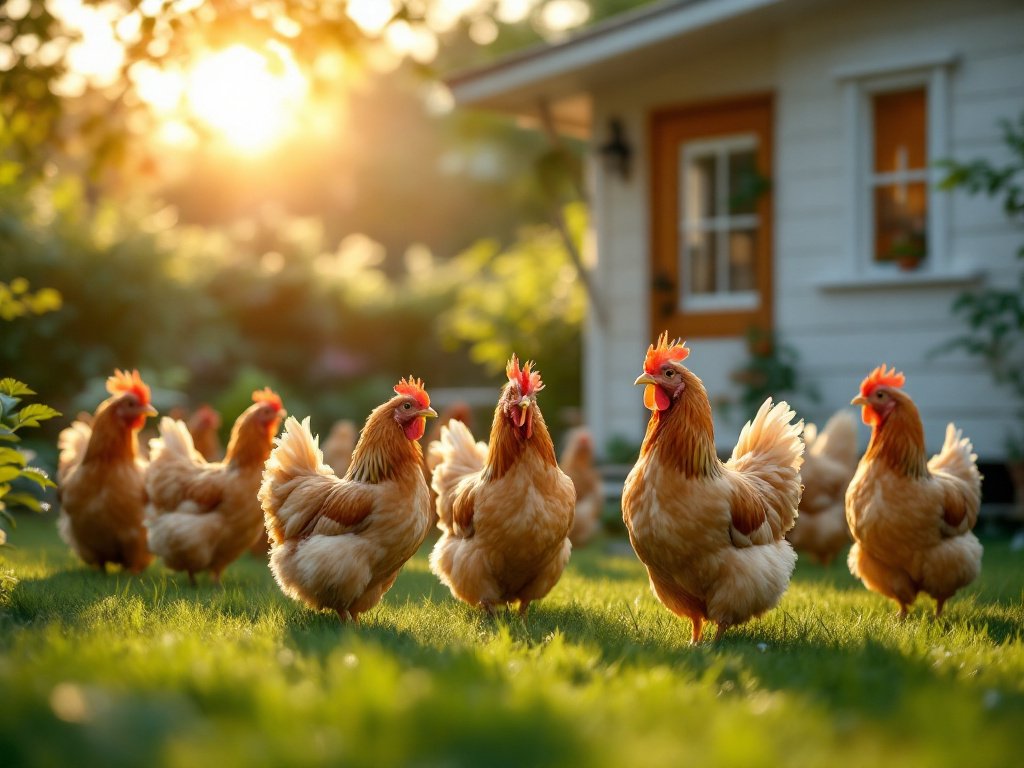
Buff Orpingtons are prized as friendly, gentle dual purpose hens—providing both steady eggs and respectable table meat. The classic Orpington temperament is calm and laid-back, making them popular for small family flocks and those with kids. According to Myers Poultry and Yardroost, a typical Buff Orpington hen lays about 200–280 brown eggs per year, or roughly 4–5 eggs a week. Their fluffy, golden-feathered bodies are not just pretty; their docility helps reduce flock drama. With the right buff orpington care, they thrive in backyard settings and tolerate some handling by children.
Startup Costs & Space: What You Need to Get Started
Planning for Buff Orpington care begins with understanding costs and space requirements. Buff chicks usually cost about $3 to $10 each [source], while started pullets and adult hens commonly run from $15 up to $35 depending on breeder and location [source]. Initial expenses also include:
- Coop that provides at least 4–6 sq ft of floor space per Buff Orpington
- Secured outdoor run with a minimum of 10 sq ft per bird
- Low, wide roosts (no higher than 2–4 ft)
- One 12×12-inch nesting box for every 3–4 hens
- Brooder with adjustable heat source (start near 95°F the first week for chicks, lowering ~5°F weekly)
- Bedding supplies (consider deep litter or pine shavings)
For a deeper guide to coop size and what to look for in a safe setup, visit chicken coop space requirements and predator proof chicken coop on CoopGearLab.
Don’t forget ongoing costs—quality feed, bedding, oyster-shell grit, and seasonal extras like vitamins or heated waterers (see best heated chicken waterer) add up. For a granular breakdown, see cost to raise chickens.
Feeding & Growth: What Do Buff Orpingtons Eat at Each Stage?
Raising Buff Orpingtons well depends on matching feed to their age and needs. Immediately after hatch, use a chick starter feed containing 20–22% protein up to 8 weeks, then transition to a grower feed with 16–18% protein till 18 weeks. Chicks eat about 1 lb of feed per week in their first month [source]. After 18 weeks, switch to a 16% protein layer mash and always provide free-choice oyster-shell grit to support healthy eggshells.
- Chick Starter (0–8 weeks): 20–22% protein
- Grower (8–18 weeks): 16–18% protein
- Layer Mash (18+ weeks): 16% protein plus oyster-shell grit
For extra nutrition and healthy digestion, supply poultry vitamins and grit, especially if the flock cannot forage naturally. Check out best layer feed for chickens for well-reviewed feeding options.
Portion control is critical. Buff Orpingtons are prone to obesity if given too many treats or unlimited feed. Stick to the recommended ration for their age and supplement with limited healthy treats like mealworms (best mealworms for chickens).
Housing Tips for Maximizing Health & Happiness
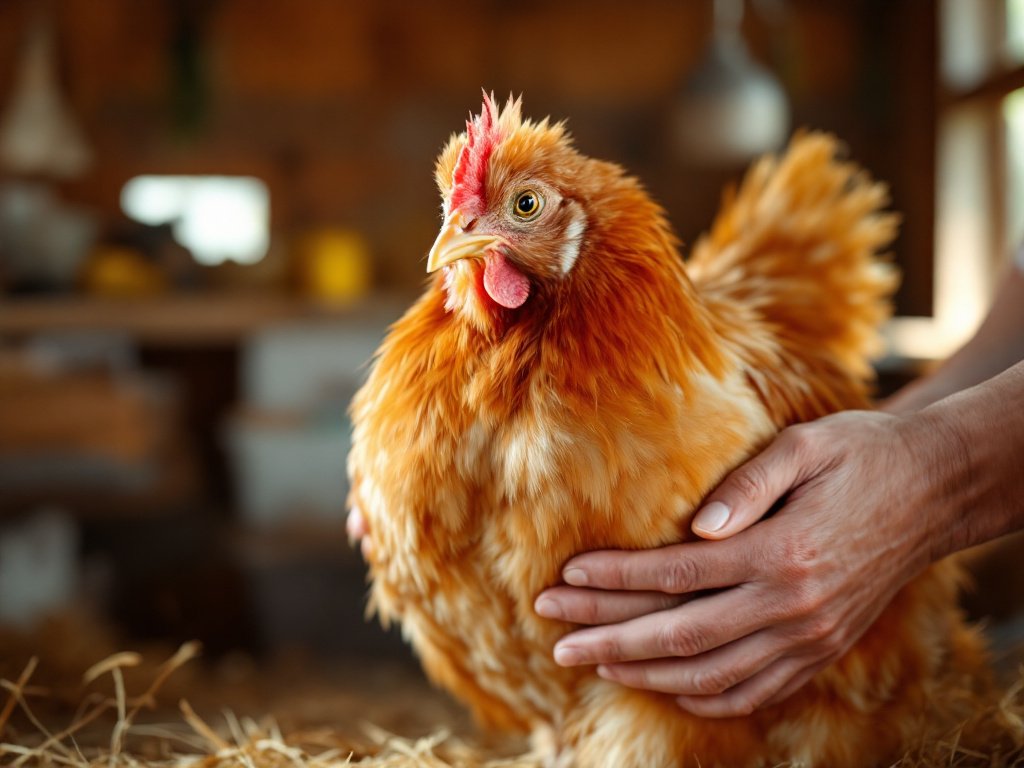
Buff Orpingtons need dry, well-ventilated coops to avoid health issues related to their dense, moisture-trapping plumage. Always use low, extra-wide roosts—no higher than 2–4 ft—as high perches increase the risk of bumble-foot and leg problems. Keep bedding dry and change it regularly to prevent vent gleet, a risk in damp or dirty environments. Use generous ventilation at both low and high points in the coop, but avoid drafts directly at roost height. Predator-proofing is a must; hardware cloth, strong locks, and automatic doors (best automatic chicken coop door) make a big difference.
For ideas on maintaining clean, odor-free coops, visit how to clean a chicken coop and best chicken coop deodorizer on CoopGearLab. In winter, insulation and quick repairs for drafts can help, but avoid heat lamps unless absolutely necessary—see best chicken coop for cold weather for safe cold-weather upgrades.
Egg Production Expectations & Laying Cycle
Orpington egg production starts relatively late—hens begin laying at 5–7 months old. You can expect around 200–280 pale brown eggs per year under steady care. Their egg color may appear lighter, with some pinkish or apricot blooms, especially compared to darker brown egg layers [source]. While highly broody and excellent natural mothers, Buff Orpingtons may sometimes stop laying for weeks due to broodiness. Laying is strongest in spring and early summer but continues through most of the year if nutrition and lighting are right.
For more advice on optimizing winter laying, see best chicken coop lights for winter.
Common Buff Orpington Problems—and Real Solutions
Buff Orpingtons are sturdy, but their fast growth, fluffy feathers, and calm personality make them susceptible to a few unique issues:
| Problem | Signs | Practical Solutions |
|---|---|---|
| Obesity (from overfeeding) | Plump body, poor laying, lethargy | Limit treats, measure daily rations, encourage more run time |
| Vent gleet (dirty, damp vent feathers) | Soiled feathers, bad odor, redness | Keep bedding dry, increase ventilation, use supportive probiotics |
| Bumble-foot (from high perches, heavy breed) | Swollen foot, limping, scab on foot pad | Lower roosts, use soft bedding, inspect and treat feet regularly More: How to treat bumblefoot |
| Heat stress | Open-mouth breathing, wings held out | Supply shade, cold water, keep coop cool (keep chickens cool in summer) |
| Broodiness | Hen stays on nest, stops laying | Promptly remove eggs, use a broody breaker cage (how to break a broody hen), or isolate for 2–3 days |
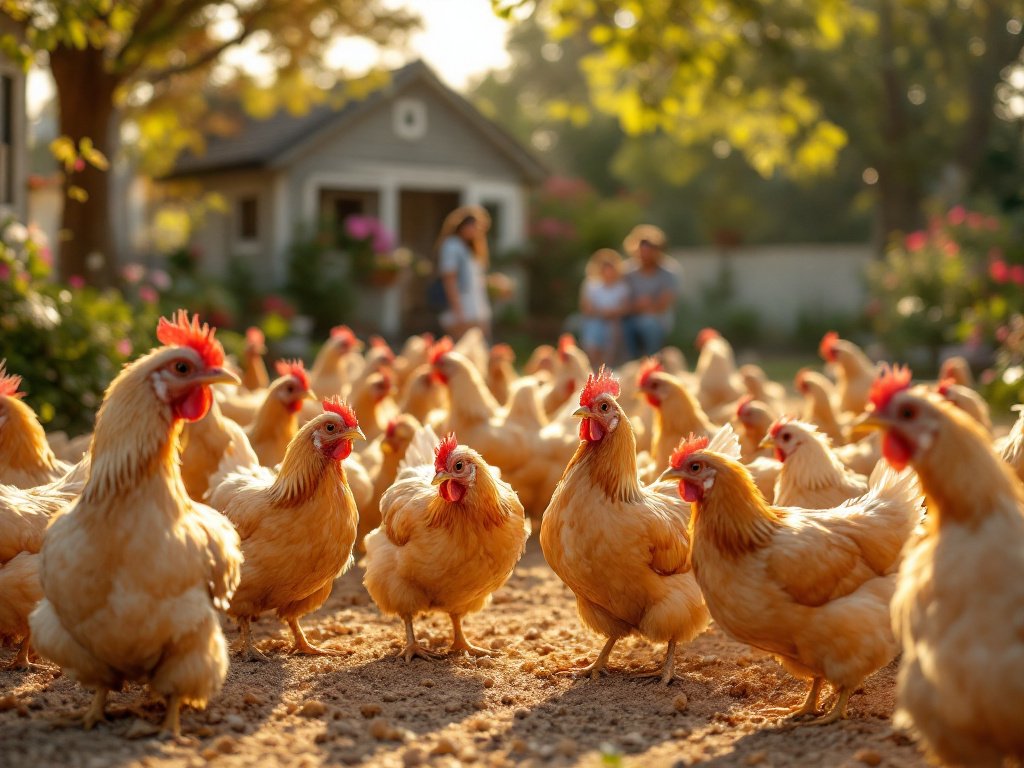
Routine parasite checks (lice, mites) are important due to their thick feathers—see diatomaceous earth for chickens for safe control techniques. Watch for leg and foot issues, especially if your perches are too high or bedding too thin.
Are Buff Orpingtons Right for You? (Decision Checklist)
If you want friendly, kid-safe backyard chickens that lay steadily and aren’t flighty, Buff Orpingtons are a strong choice. Use this checklist before you dive in:
- Can you provide 4–6 sq ft of indoor space and 10+ sq ft of run per hen?
- Are you in a mild-to-cool climate, or can you commit to serious summer shade/cooling?
- Do you want both eggs and the option for home-processed meat birds?
- Are you prepared to handle broodiness and temporary losses in egg production?
- Is your setup predator-proof with good coop ventilation?
- Can you commit to health checks, dry bedding, and portioned feed?
Buff Orpingtons fit best for families, mild climates, and those who enjoy extra-calm birds. They may not suit those needing maximum egg yield, minimal flock management, or living in hot/humid regions without reliable cooling. For breed comparisons, try best chicken breeds for beginners or cold hardy chicken breeds.
FAQ: Buff Orpington Care
When do Buff Orpington hens start laying eggs?
Most Buff Orpington hens begin laying at 5 to 7 months old, producing around 200–280 eggs per year with proper nutrition and lighting. Broodiness can cause natural laying pauses that may last several weeks.
How much space does a Buff Orpington need?
Allow at least 4–6 square feet of coop space and over 10 square feet of run space per Buff Orpington. Their fluffy size means they require roomier perches and nesting boxes than smaller, lighter breeds.
Can Buff Orpingtons be kept in hot climates?
While they tolerate cold well, Buff Orpingtons struggle in extreme heat without shade, good airflow, and cool water access. In hot regions, focus on summer cooling strategies and extra shade structures.
How do you handle a broody Buff Orpington?
Remove eggs quickly, use a wire-bottomed “broody breaker” cage, or isolate the hen for a few days to help break broodiness. Broody Buffs may stop laying for weeks, so early intervention saves egg yield.
What’s the most common health issue for Buff Orpingtons?
Obesity from overfeeding and lack of exercise is a top concern. Paired with damp bedding, this can also lead to vent gleet. Regular portion control, low-roost design, and fresh dry bedding keep problems at bay.
Conclusion
With proper buff orpington care, these docile, productive hens suit many backyard keepers looking for an approachable, dual purpose breed. Budget for real housing, nutrition, and plan in advance for common challenges, and you’ll set your flock—and your family—up for success. Start by reviewing your coop layout and nutrition plan, then order your first chicks or pullets and get ready for a rewarding poultry journey. Want more step-by-step guides? Explore the rest of CoopGearLab for practical resources on flock management and chicken health!
—