
As an Amazon Associate we earn from qualifying purchases. This article contains affiliate links; we may earn a small commission at no extra cost to you.
Black australorp care is more than just tossing hens in a backyard coop—it’s about understanding how breed traits, climate, and cost all impact daily life for suburban and small-homestead keepers. If you’ve heard about their legendary egg yield but wonder about the true care demands (and pitfalls), this guide is for you.
Key Takeaways
- Black Australorps are friendly, top-tier egg producers but are sensitive to both extreme heat and cold.
- Proper coop space, ventilation, and climate adjustments are essential to prevent serious health problems.
- Feed, vet, and setup costs often exceed beginner expectations, especially with larger flocks or in harsh climates.
- Why Choose Black Australorps? Egg Production, Temperament & Breed Comparison
- Coop, Space & Climate Needs: Setting Up for Success
- Feeding & Cost Breakdown: What to Expect Month by Month
- Health Watch: The Biggest Risks and How to Prevent Them
- Solving Owner Pain Points: Heat Management, Egg Reliability & Cost
- Frequently Asked Questions—Australorp vs Orpington & More
Why Choose Black Australorps? Egg Production, Temperament & Breed Comparison
Black Australorps have gained fame as one of the world’s most consistent egg machines, with the breed once holding a mind-blowing record—364 eggs in 365 days (source). Beyond their productivity, these birds are beloved for gentle, friendly temperaments: they’re calm, good with children, and frequently bond with owners if handled from a young age (source). Compared to their Orpington ancestors, Australorps have sleeker black plumage and tend to outperform Orpingtons in both egg yield and foraging.
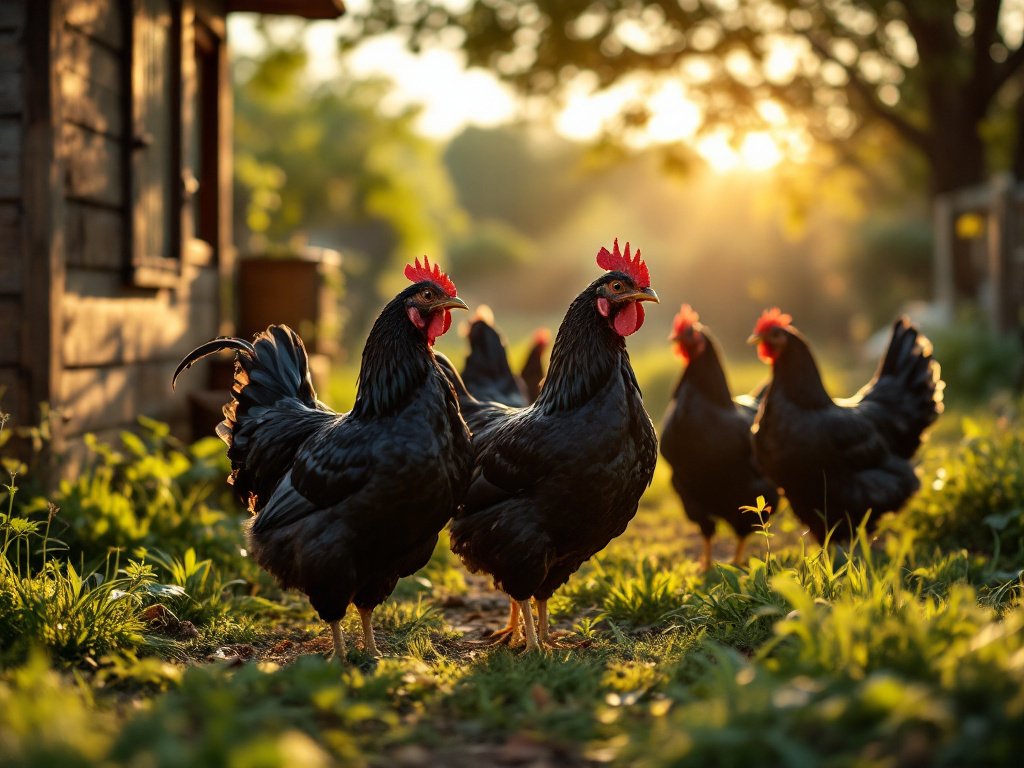
If you’re weighing a classic Orpington against an Australorp, start by considering your priorities. Orpingtons are famed for pet-like docility and broodiness, whereas Australorps offer steadier eggs all year, tolerate smaller runs, and require similar general care.
Both breeds can work for beginners, but Black Australorps often edge out their relatives for owners who want eggs, not just easy temperaments.
Coop, Space & Climate Needs: Setting Up for Success
Setting up for successful black australorp care means more than just building any old coop. The breed’s reputation for hardiness masks real vulnerabilities: they’re prone to heat stroke in warm weather and can suffer frostbite on combs and wattles in cold, damp conditions (source).
- Allow at least 4 square feet of coop space per bird, and 8–10 square feet of run. Double the run for confined flocks or in hot, humid regions.
- Roosts should be positioned securely above the floor, with at least 6–10 inches of perch space per bird.
- For winter resilience, select a draft-free coop and consider heated waterers to prevent ice build-up (best heated chicken waterer recommendations here).
- Shade cloth or mature trees are essential for runs in Southern or Western regions. For upper Midwest, focus on dry bedding and winter-ready ventilation—see our keep chickens warm in winter guide.
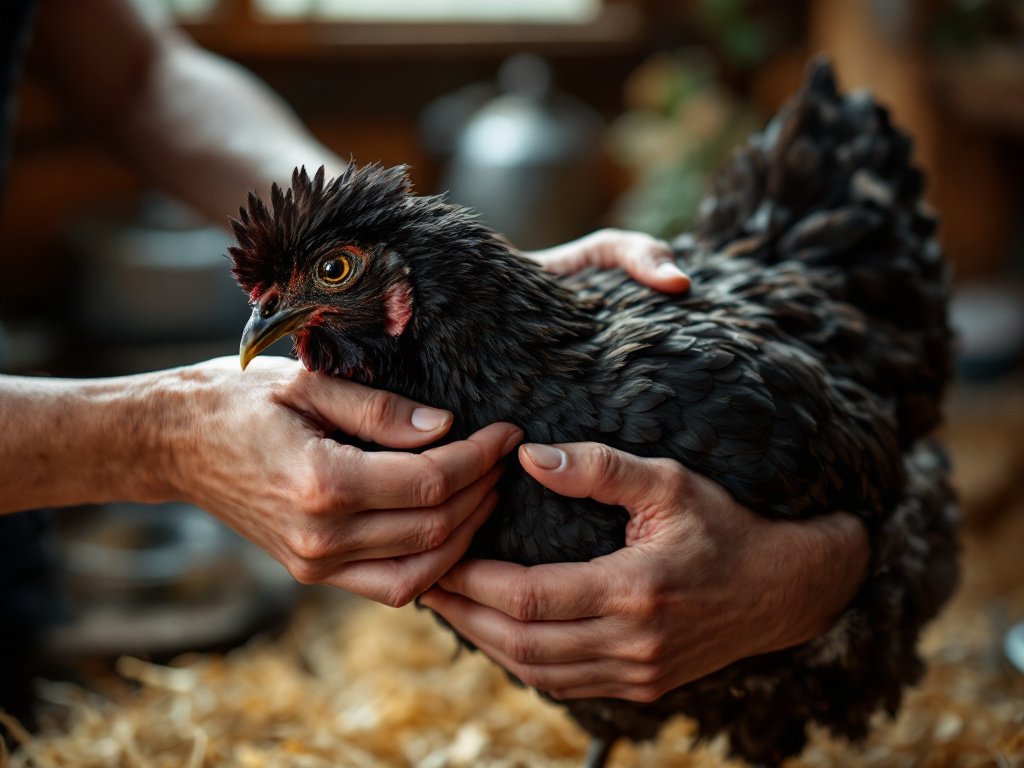
Black Australorps do tolerate confinement, but inadequate space or poor airflow will raise risks for overheating and foot problems. A well-designed run reduces mud and keeps birds active—which directly prevents obesity and bumblefoot.
Feeding & Cost Breakdown: What to Expect Month by Month
Real-world black australorp care means knowing what to feed, when, and what it’ll honestly cost.
- Chicks: Start with a 20% protein crumble until around 16 weeks
- Mature hens: Switch to 16% layer mash with free-choice oyster shell
- Supplements: Grit (especially if you offer treats or free-range), optional probiotics in the summer for gut health
- Treats: No more than 10% of weekly intake; safe options include mealworms, leafy greens, and scratch (avoid avocado, chocolate, or anything moldy — full unsafe foods list)
Expect each adult Australorp to eat roughly a quarter pound of feed per day. Costs scale quickly with flock size, especially if you pay retail for premium feed or don’t allow for regular foraging. For significant savings, offer supervised free range to let birds supplement with bugs and greens (source).
Smart owners invest in a good feeder system—like a no waste chicken feeder—to minimize feed loss and rodent incursions. Keep some natural calcium (such as oyster shell) always available.
Budget for occasional fluctuations: higher feed costs in winter, or for extra protein during molting (what to feed chickens during molt).
Health Watch: The Biggest Risks and How to Prevent Them
Raising Australorps is mostly worry-free, but some health threats repeat year after year:
- Heat stroke: Dense, dark plumage soaks up sun; overheating happens fast. Always ensure deep shade, free airflow, and cool water access. In peak heat, use shallow pans of water for “foot cooling”.
- Frostbite: Large single combs and wattles will freeze in damp, drafty coops. Insulate perches, maintain dry bedding, and use petroleum jelly on combs for added protection (full frostbite prevention advice here).
- Bumblefoot: Injuries from jumping off high perches or standing in mud lead to foot abscesses. Lower roosts and deep litter bedding help. Check feet weekly, especially after rain or thaw cycles. See how to treat bumblefoot.
- Obesity: Bored or confined Australorps can gain weight rapidly—enforce treat limits and encourage foraging. Rotate run ground cover if possible using a fresh ground cover.
- Mites and lice: Check around vent and under wings weekly. Dry dust bath stations work wonders for control—see build a dust bath for chickens.
- Egg-binding: Calcium imbalances or oversized eggs—act fast if a hen strains. Immediate vet care is needed (egg bound hen treatment guide).
Actively check your flock weekly. Fast response and climate adjustments save money and stress long term.
Solving Owner Pain Points: Heat Management, Egg Reliability & Cost
Black Australorps are fantastic, but here’s where new owners hit snags:
| Owner Challenge | Explanation | Actionable Solution |
|---|---|---|
| Heat Sensitivity | Dense black feathers trap sun; poor airflow or crowding raises risk—overheat fast in South, high summer, or closed coops. | Reduce flock density in summer, use extra fans/vents, provide large shaded runs—see keep chickens cool in summer tips. |
| Egg Production Reliability | Historic record eggs are rare now; nutrition, stress, and age impact lay rates. Egg-binding risk if calcium dips. | Feed quality layer mash, always provide oyster shell, minimize flock stress, use coop lights in winter for steady eggs. |
| Total Cost Surprises | Feed cost rises fast with flock size or poor foraging. Vet visits add up for heat or foot issues. Many underestimate setup costs. | Start with a smaller flock, invest in a good small flock coop and efficient feeder, and budget for emergencies—see true cost to raise chickens for full breakdown. |
| Foot Problems (Bumblefoot) | High jumps, muddy runs, or rough perches mean recurring issues if not addressed. | Lower perch height, add deep litter bedding, check for wounds weekly and use rounded roosting bars. |
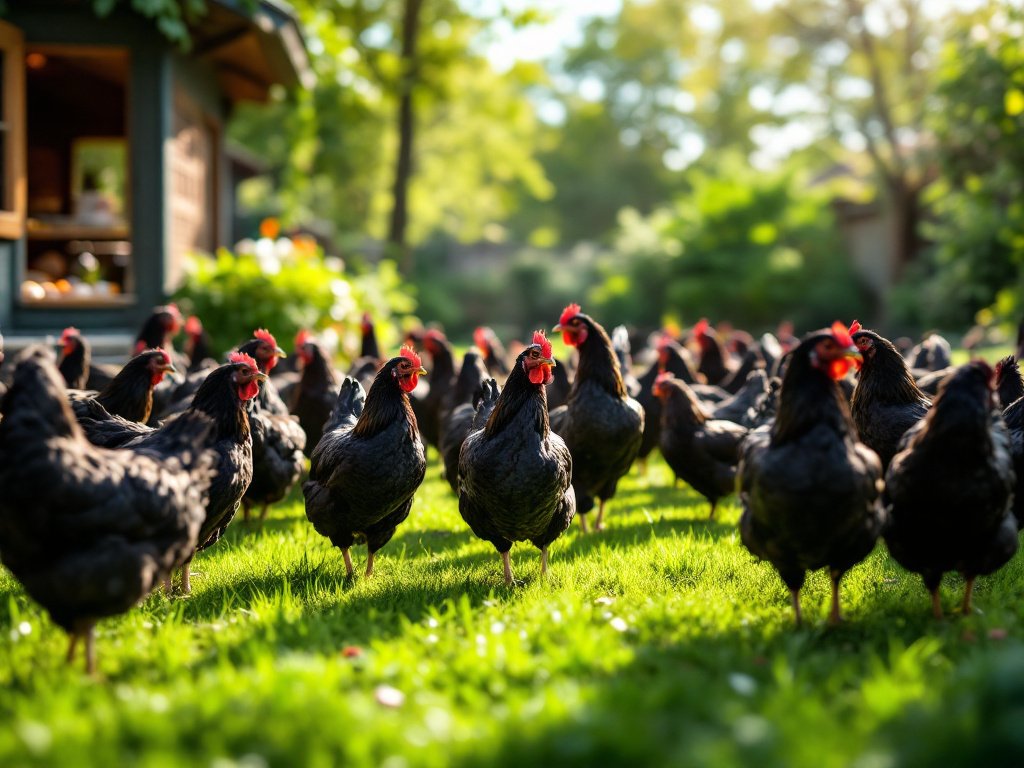
Larger flocks increase all these headaches. Tight, crowded coops make heat, bumblefoot, and parasite problems dramatically worse. Extreme climates amplify either heat or frostbite risks. Smart flock sizing, good airflow, and careful budgeting make all the difference.
Conclusion
Black Australorps offer unmatched egg productivity and gentle personalities—but only if given honest attention to black australorp care basics: climate-specific setup, regular health checks, and careful attention to feed and costs. Know your climate, prevent overcrowding, and expect some surprise veterinary or feed bills. Ready to get started? Review your set-up, audit your space, and think carefully about flock size before you dive in. If you want maximum eggs with minimum drama, focus on proactive prep and ongoing observation—and your Australorps will reward you all year long.
Still weighing breed options, or looking to upgrade your setup? Explore our guides on cold weather chicken coops, automatic coop doors, and no-waste feeders for even healthier, happier flocks.
Frequently Asked Questions—Australorp vs Orpington & More
What’s the main difference between Australorp vs Orpington?
Australorps were originally developed from English Orpingtons, but are generally trimmer, glossier, and much higher egg layers. Orpingtons are friendlier and more broody, while Australorps are steadier producers and tolerate confinement.
When do Black Australorps start laying eggs?
Black Australorp hens typically begin laying at around 20 weeks of age, though timing varies., depending on nutrition and season. Early onset and reliable output are their hallmarks.
How long do Australorps live?
With good care, Australorps routinely live 6 to 10 years. Their peak egg production is during years 1 to 3, after which production gradually tapers off.
Are Black Australorps good for both meat and eggs?
Yes—while not as massive as some broiler breeds, Australorps are considered dual-purpose for small-scale use. Roosters typically weigh about 8.5–10 lbs, and hens about 6.5–8 lbs. However, their true strength is in egg laying.
Do Australorps tolerate both hot and cold climates?
They are adaptable but do require climate-specific care. Dense feathers keep them warmer in winter, but make heat stress a danger in summer. Always provide adequate ventilation, shade, and monitor for frostbite or heat stroke risks.